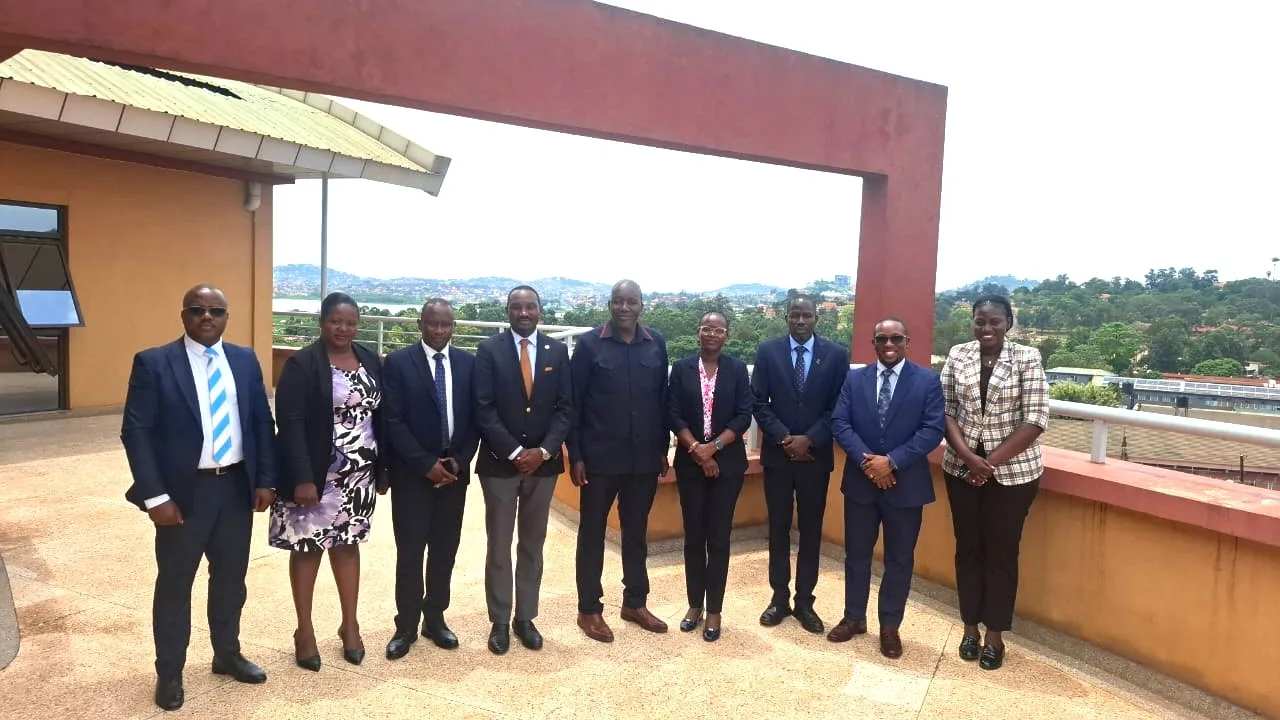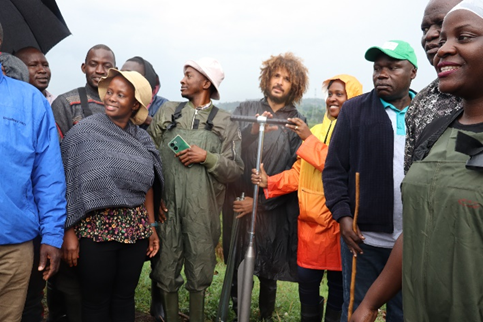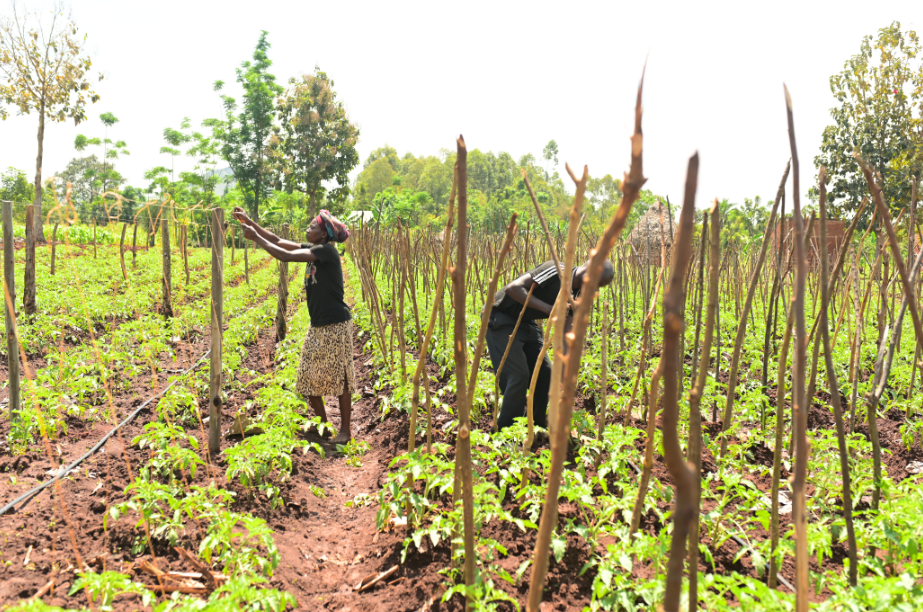
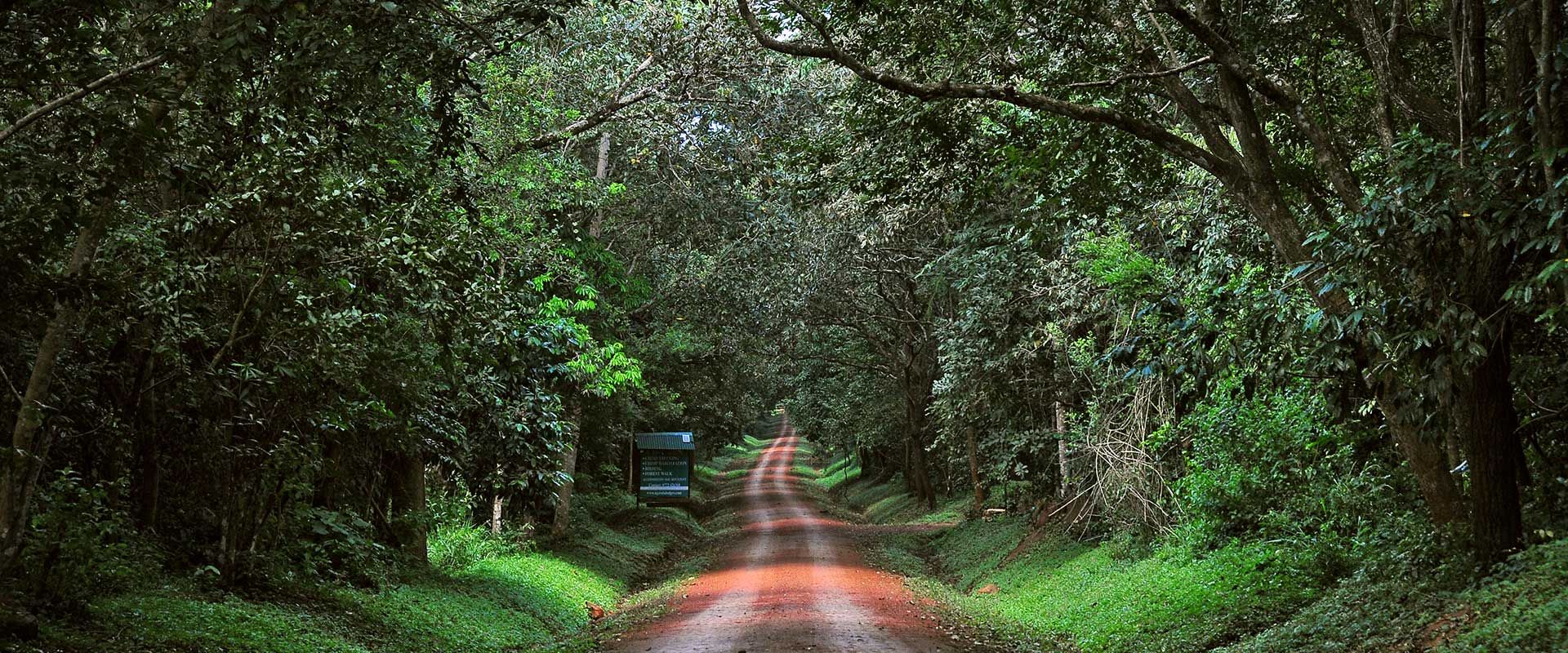
LAUNCH OF THE FOREST LANDSCAPE RESTORATION (FLR) IMPLEMENTATION HUB PROJECT
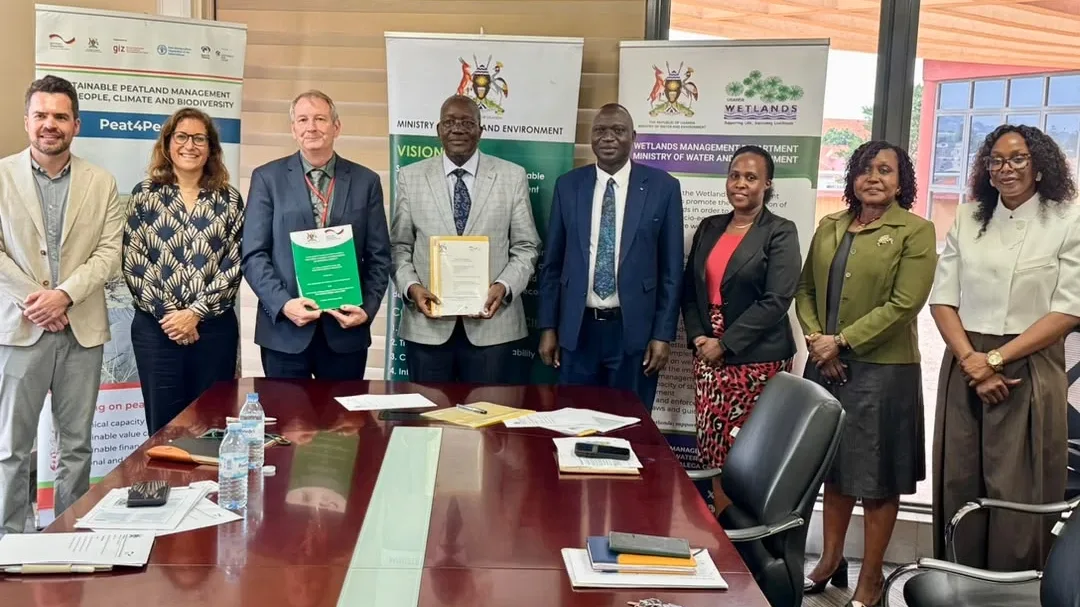
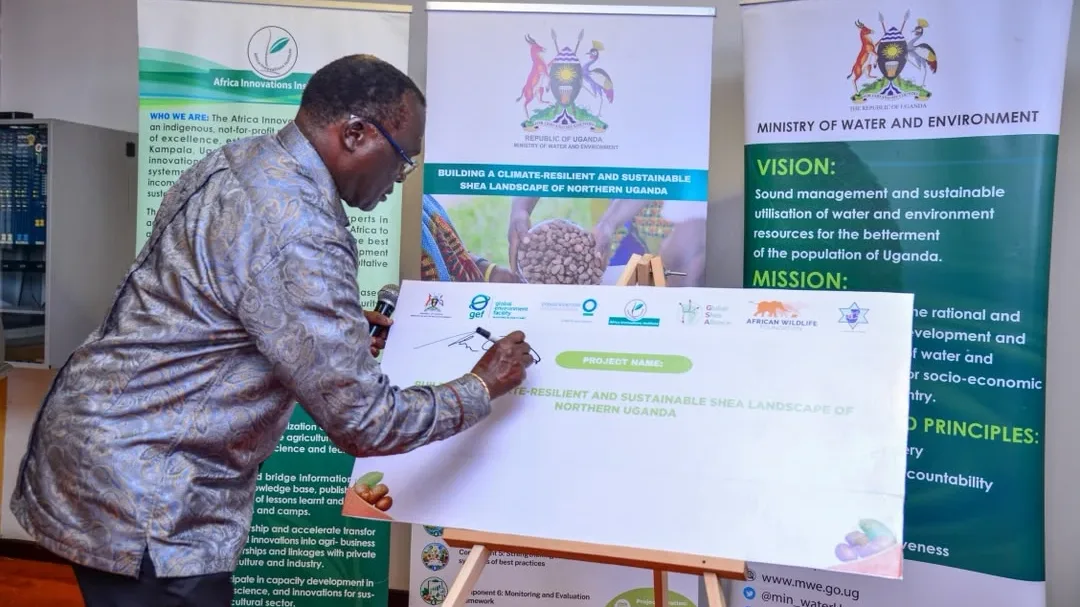
FOREST LANDSCAPE RESTORATION (FLR) IMPLEMENTATION HUB PROJECT LAUNCHED
The...
We are committed to ensuring sustainable management of Uganda's water and environment resources for the benefit of present and future generations. Our mission is to promote and ensure the rational and sustainable utilization of water and environment resources for socio-economic development.
Our Mission Statement:
To promote efficient and effective utilization of water and environment resources for a healthy, wealthy and climate resilient population
Vision Statement:
Transformed Ugandan Society with environment and natural resources sustainably managed.
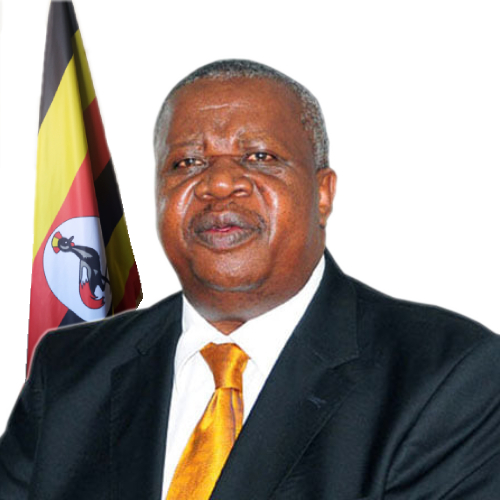
Minister of Water & Environment
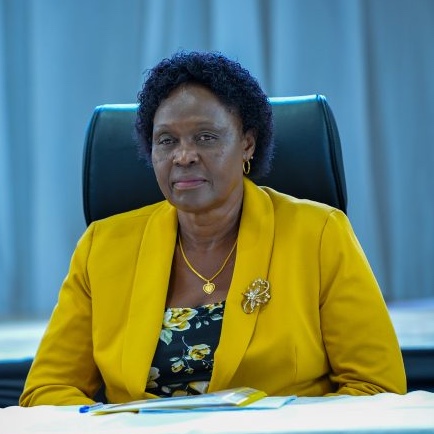
Minister of State for Environment
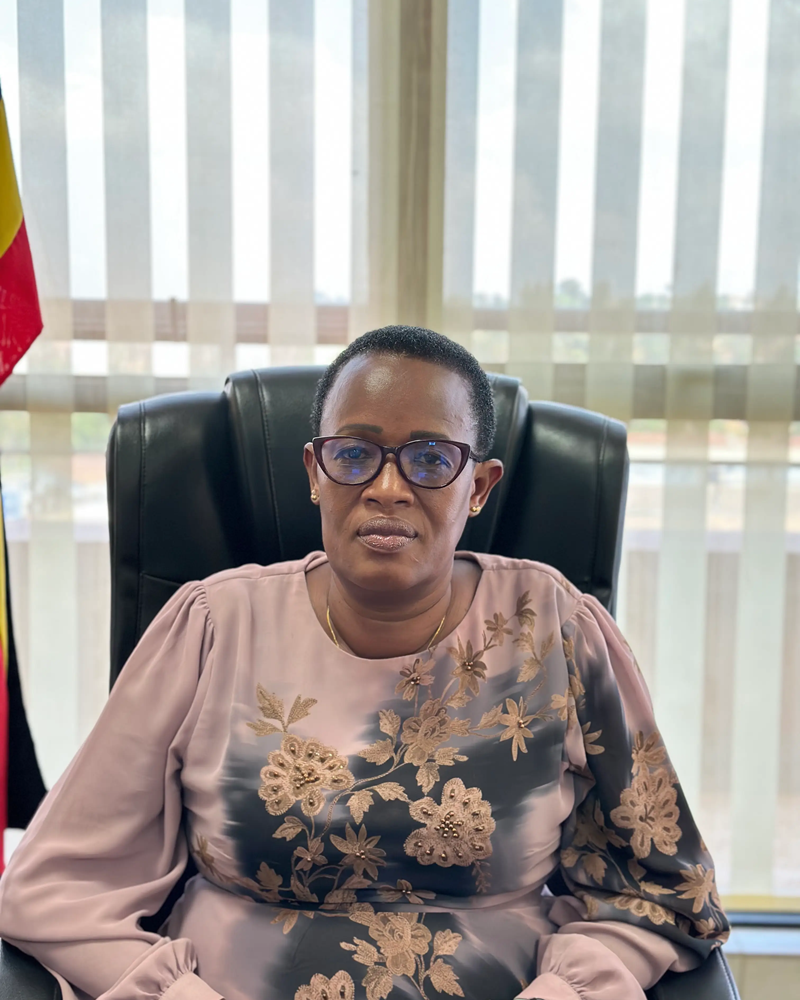
Minister of State for Water
Minister of Water & Environment
Minister of State for Environment
Minister of State for Water

FOREST LANDSCAPE RESTORATION (FLR) IMPLEMENTATION HUB PROJECT LAUNCHED
The...
The Ministry of Water and Environment, through the Water for Production Regional Centre–Karamoja, ha...
The Ministry of Water and Environment( MWE) through the Department of Environment Sector Support Ser...
Site visit on Omanimani Water Level Monitoring Station under DRESSEA Project at Matany Town Council...
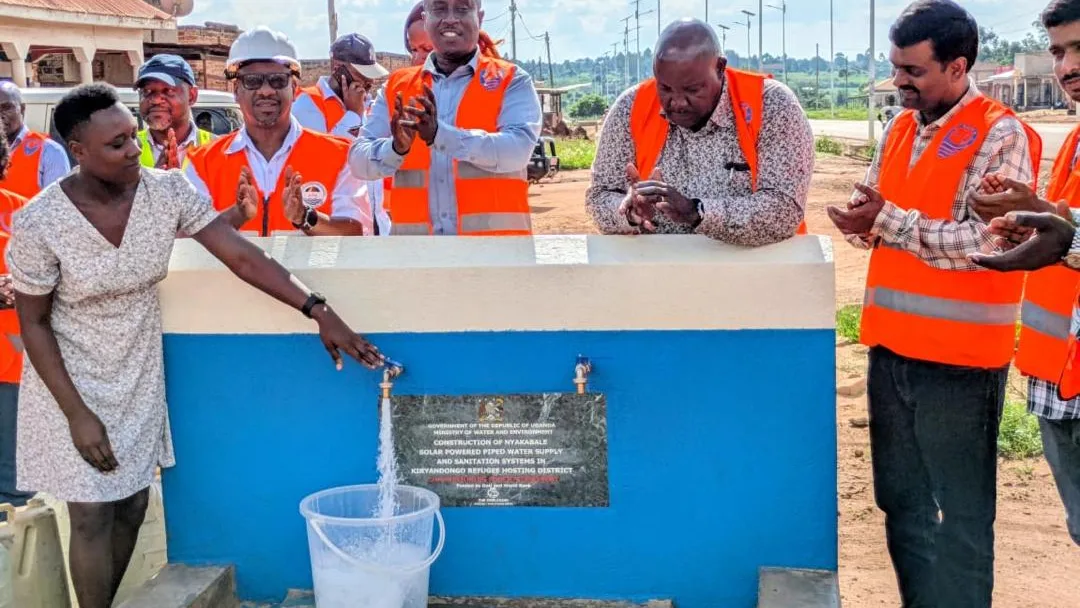
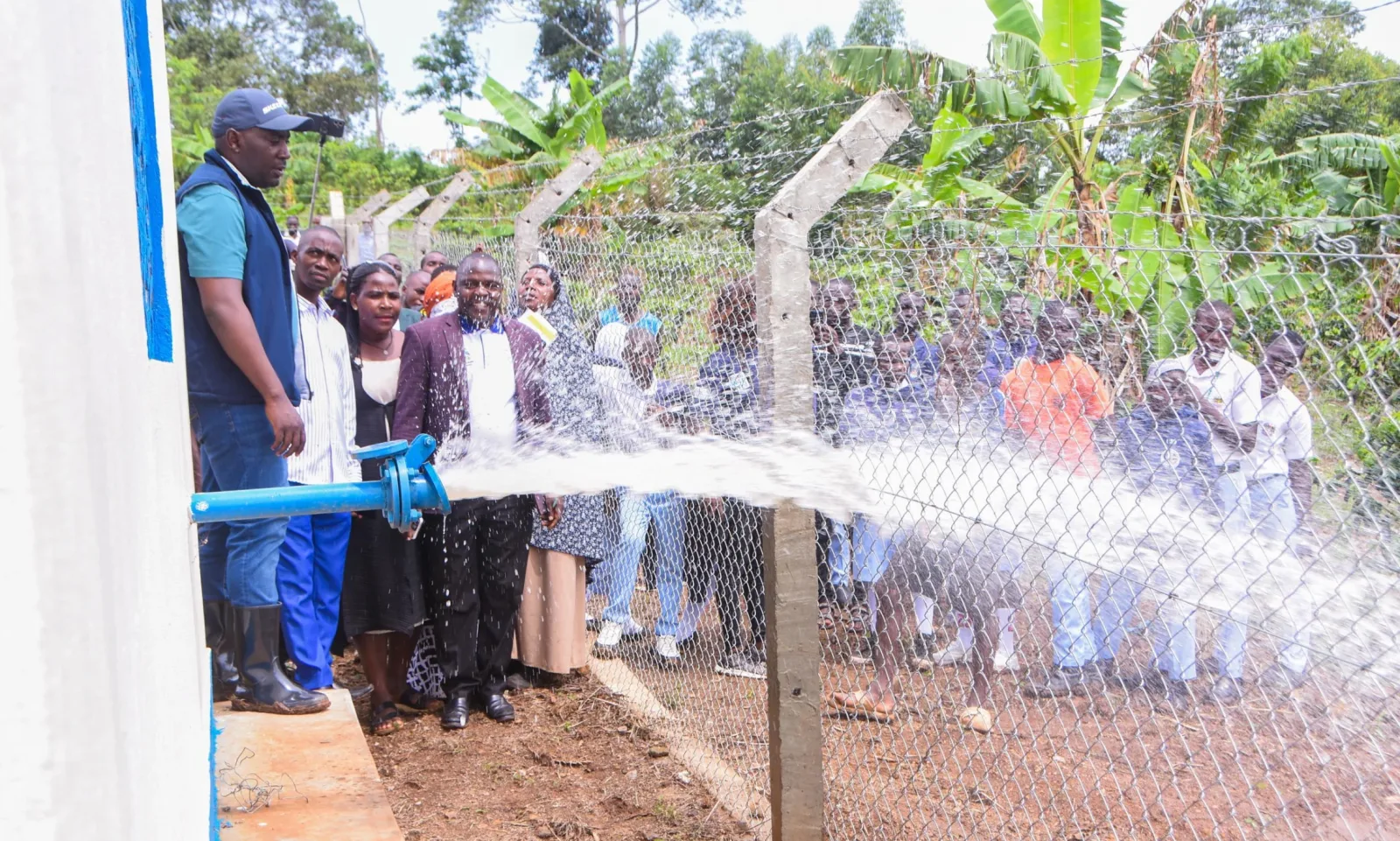
35 Solar Powered Mini-Piped Water Schemes.The 35 Solar Powered Mini-Piped Water Schemes (SPMPWS) project was a significant initiative undertaken by the Ministry of Water and Environment, aimed at enhancing access to safe and reliable water supply in numerous rural and semi-urban communities across Uganda. This project leveraged renewable solar energy to power water pumping and distribution systems, representing a sustainable and cost-effective approach to expanding water coverage and improving public health. The focus on solar technology underscored Uganda’s commitment to environmentally friendly solutions and climate change adaptation in the water sector.Key Objectives Achieved by the Project:The SPMPWS project successfully accomplished several crucial objectives:Increased Access to Safe Water: The primary objective of providing increased access to safe and clean piped water was met across the target communities. The installation of 35 mini-piped schemes significantly expanded the reach of reliable water sources to previously underserved populations.Activities included: Drilling of boreholes, installation of solar panels and submersible pumps, construction of elevated storage tanks, and laying of distribution networks with public water points and household connections.Promotion of Sustainable and Green Technology: The project championed the use of solar energy, demonstrating a commitment to sustainable water supply solutions. This reduced reliance on fossil fuels, lowered operational costs for communities, and minimized the carbon footprint of water provision.Activities included: Design and installation of solar power systems tailored to the specific water demand of each scheme.Improved Health and Hygiene: By ensuring the availability of safe piped water, the project directly contributed to improved public health outcomes in the beneficiary communities. This reduced the incidence of waterborne diseases and facilitated better hygiene practices.Activities included: Community sensitization on water safety, hygiene, and proper utilization of the new piped water systems.Enhanced Community Management and Ownership: The project fostered strong community involvement in the management and maintenance of the water schemes. This approach aimed to ensure the long-term functionality and sustainability of the infrastructure.Activities included: Training of Water User Committees (WUCs) in scheme operation, maintenance, and financial management.Economic Benefits for Communities: Reliable access to water freed up time, particularly for women and children who traditionally spent hours fetching water, allowing them to engage in more productive activities. This indirectly stimulated local economic development.Activities included: Creating local employment opportunities during the construction phase and empowering communities to manage their own water resources.Project Scope and Impact:The SPMPWS project involved the complete development and commissioning of 35 independent solar-powered mini-piped water schemes across various districts in Uganda. Each scheme typically comprised a high-yielding borehole as the water source, a robust solar power system to drive the pump, a submersible pump to abstract water from the borehole, an elevated water storage tank to ensure gravity-fed distribution, and a network of pipes distributing water to multiple public standpipes (water points) and, in some cases, private household connections.The implementation of these schemes resulted in a tangible improvement in the quality of life for thousands of Ugandans, providing them with consistent access to safe, clean water right within their communities. The project stands as a testament to the effectiveness of decentralized, solar-powered solutions in addressing water scarcity challenges, especially in rural and underserved areas.
CDM PROJECTThe Clean Development Mechanism (CDM), defined in Article 12 of the Protocol, allows a country with an emission-reduction or emission-limitation commitment under the Kyoto Protocol (Annex B Party) to implement an emission-reduction project in developing countries. Such projects can earn saleable certified emission reduction (CER) credits, each equivalent to one tonne of CO2, which can be counted towards meeting Kyoto targets.The mechanism is seen by many as a trailblazer. It is the first global, environmental investment and credit scheme of its kind, providing a standardized emissions offset instrument, CERs.A CDM project activity might involve, for example, a rural electrification project using solar panels or the installation of more energy-efficient boilers.The mechanism stimulates sustainable development and emission reductions, while giving industrialized countries some flexibility in how they meet their emission reduction or limitation targets.MORE ABOUT THE PROJECT
Learn More
ABOUT FIEFOC-3The Government of Uganda through the Ministry of Water and Environment (MWE) is implementing the development of three- medium sized irrigation schemes in northern and eastern regions of Uganda, covering an irrigable area of 1,800 hectares. The irrigation schemes are developed at Unyama (700 ha) in Amuru and Gulu Districts, Sipi (400 ha) in Bulambuli District, and Namalu (700 ha) in Nakapiripirit District under a project code – named Farm Income Enhancement and Forest Conservation Programme – Project 3 (FIEFOC-3). The five –year public sector investment (2023-2028) was designed within the context of the Government of Uganda’s Third National Development Plan (NDP III) and the long –term development strategy, the Vision 2040 both of which promote agricultural infrastructure development, agro-industrialization and household incomes.The project was also designed following a successful completion of FIEFOC-1, which ended in December 2012 and FIEFOC-2 to be completed by December 2025 respectively. The contribution of FIEFOC-3 is hinged on water sector performance indicator that focuses on harnessing irrigation potential of Uganda for increased agricultural production and productivity and household incomes (Sustainable Development Goal 2), and improving access to Sustainable Water Systems (Sustainable Development Goal 6).PROJECT DEVELOPMENT OBJECTIVEThe project development objective is to contribute to poverty reduction and economic growth of Ugandathrough enhanced agricultural productivity and commercialization, thereby improving household incomes, food security and climate resilience through sustainable natural resources management and agricultural enterprise development.DEVELOPMENT PARTNERSThe key financiers of the project are the Islamic Development Bank (IsDB) with financial support of USD 86.5 million and Arab Bank for Economic Development in Africa (BADEA) with USD 15.0 million with counterpart funding from the Government of Uganda of USD 10.62 million, totaling USD 112.12million. The project is jointly implemented by the MWE and the Ministry of Agriculture, Animal Industry and Fisheries (MAAIF).PROJECT LOCATIONThe project is implemented in the northern and eastern regions of Uganda, where three irrigation schemes are developed: Unyama in Amuru and Gulu Districts, Namalu in Nakapiripirit District and Sipi in Bulambuli District. Activities under the Integrated Natural Resources Management (INRM) and Agribusiness Development (AbD) Components are implemented across 19 districts within the project catchment areas.PROJECT COMPONENTSThe four major project components include:Agricultural Infrastructure DevelopmentAgribusiness DevelopmentIntegrated Natural Resources ManagementProject Management and CoordinationOther components include Project Finance, Project Steering Committee and Technical Team inspecting proposed site of Sipi Irrigation Scheme in Bulambuli District 3 Auditing, and Contingency Emergency Response (CER) , thus making a total of 7 project components.PROJECT DESCRIPTIONAgriculture Infrastructure Development (AID) component focuses on implementation of three major sub-components. These include:Irrigation infrastructure developmentSustainable management of irrigation schemes through establishments of Farmer Based Organizations (FBO)Irrigated agronomy, as well as soil and landimprovements for training farmers on modern agricultural practices.Agribusiness Development (AbD) component focuses on (i) value chain support including marketing, agribusiness needs assessment, scoping surveys, promotion of horticulture and aquaculture in irrigation schemes and catchment areas; (ii) training offarmer groups, individual farmers and community-based organizations on commodity collective marketing, financing accessibility, agribusiness skills, food processing technologies, post-harvest handling and management; and (iii) training on sustainableutilization of crop value – addition equipment and establishment of demonstration plots for climate smart agricultural practices.Integrated Natural Resources Management (INRM) component focuses on interventions that target restoration of selected degraded lands and river banks within the irrigation catchment areas, depending on the level of deforestation and status ofenvironmental degradation. This means INRM activity is implemented in 19 districts located within the watershed of the river systems feeding the irrigation schemes as shown in Table 1 below:Table 1. Districts located within the catchment areas.Catchment Area | Districts | No. ofDistricts | Irrigation SchemeUnyama catchment | Adjumani, Amuru, Guluand Nwoya | 4 | Unyama Irrigation SchemeNamalu catchment | Moroto, Napak,Nakapiripirit, Nabilatuk,Katakwi, Soroti, NgoraKumi, and Amuria | 9 | Namalu Irrigation SchemeSipi Catchment | Amudat, Bukedea,Bukwo, Kapchorwa,Bulambuli, and Sironko. | 6 | Sipi Irrigation SchemeThe major project beneficiaries include communities living in degraded lands, farmersadopting agro-forestry practices and conservation farming, as well as technical stafftrained in sustainable conservation and tree planting.Project Management and Coordination (PMC) component provides resources for theestablishment and operations of project coordination unit based in Kampala, and regionalproject implementation units located at project areas; coordinate mid – term reviews,organize exposure visits for good practices in irrigation schemes management andbusiness model assessment of irrigation and drainage systems.Project Financial Audit Services provides financial audit services to the project, includingexamination of project financial expenditures, special accounts and bank statements. TheOffice of the Auditor General of Uganda is mandated by the Constitution of the Republicof Uganda to undertake financial audit of public funds. It will be in charge of auditing theproject either through its own resources or external independent auditing firms. Theproject audit year will be in accordance with the Government Budget Year.Contingency Emergency Response Component is embedded as a stand – alonecomponent. The component comes into force when there is an emergency during projectimplementation and the Government wishes to reallocate funds in accordance with theBank’s procedures.Table 2. Key Result Framework IndicatorsNo. | Outcome Indicators (2028) | Measure1 | Percentage increase in number of farmers applyingadvanced irrigation techniques | 0 -50%2 | Percentage increase in yields of major crops | 25-50%3 | Percentage increase in improvement of rural householdincomes. | 25-50%4 | Percentage increase in farmers’ incomes. | 0 (U$788) – 32% (USD 1039)5 | Percentage increase in water efficiency for secondarycanals. | 50-70%6 | Percentage increase in water efficiency for tertiarycanals. | 45-80%7 | Number of small medium enterprises established andpromoted. | 328 | Output Indicators (2027) | 1 | Number of medium sized irrigation schemes constructedin northern and eastern regions. | 32 | Total area of land developed under 3 irrigation schemesat Unyama (Amuru and Gulu districts), Namalu(Nakapiripirit district), and Sipi (Bulambuli district). | 2900 ha3 | Length of irrigation and drainage canals constructed | 360 km4 | Number of machineries provided per scheme | 7 met stations, 7 office blocks, 10 tractors, 8 backhoes and 4excavators5 | Number of gender responsive Farmer BasedManagement Organizations (FBMO) / Water UserAssociations (WUA) established. | 8 (30% women and 10% youth)6 | Number of farmers trained in entrepreneurship, businessskills, value addition and post – harvest handlingtechnologies. | 15,2007 | Number of farmers linked to markets | 12,7008 | Number of trees plants (seedlings) distributed to farmers. | 11 million9 | Number of project beneficiaries trained in naturalresources management. | 20,36010 | Number of districts under, which INRM catchmentactivities will be implemented. | 19
The Water Supply and Sanitation Project III (WSSP III) is a significant initiative of the Government of Uganda (GoU), primarily through the Ministry of Water and Environment (MWE). Building on previous phases, this project receives substantial funding from the African Development Bank (AfDB) Group and aims to significantly expand access to water supply and sanitation services across targeted areas in Uganda.Core ObjectiveThe core objective of WSSP III is to increase access to sustainable water supply and sanitation services in small towns and rural growth centers, and to enhance the capacity for effective management of water resources. This contributes to improved public health, economic development, and overall well-being of the beneficiary communities.Funding and Implementation:Funding: The project is primarily funded by the African Development Bank (AfDB) Group, including significant contributions from the African Development Fund (ADF) and the Rural Water Supply and Sanitation Initiative (RWSSI) Trust Fund.Total Cost: The total project cost is approximately UA 50.13 million (equivalent to roughly US$70-75 million depending on exchange rates at the time of approval).Implementing Agencies: The Ministry of Water and Environment (MWE) is the executing agency, responsible for overall coordination and implementation. The National Water and Sewerage Corporation (NWSC) is typically involved in urban water supply components, while MWE handles rural water supply and sanitation directly or through local governments.Duration: Projects of this nature generally have an implementation period of around 5 years.Project Area and Beneficiaries:WSSP III targets various small towns and rural growth centers (RGCs) across Uganda, aiming to extend water and sanitation services to populations currently underserved. The specific towns and regions vary per phase, but the focus is generally on improving living conditions and economic opportunities in these areas.While a comprehensive list of all specific towns might be extensive, the project typically focuses on a cluster of towns in different regions.The project directly benefits:Residents of targeted small towns and RGCs: Gaining improved access to safe and reliable water and sanitation.Local businesses and institutions: Benefiting from better infrastructure and healthier communities.Women and children: Who often bear the primary burden of water collection and are most vulnerable to water-borne diseases.Key Components and Activities:WSSP III typically comprises several key components aimed at achieving its objectives:Urban and Rural Water Supply Infrastructure Development:Construction and rehabilitation of water supply systems: This includes new boreholes, bulk water treatment plants, pumping stations, storage reservoirs, and extensive distribution networks within the targeted towns and RGCs.Extension of water pipelines: Connecting more households, institutions, and public facilities to the piped water supply.Sanitation and Hygiene Promotion:Construction of public sanitation facilities: Building improved public latrines, especially in markets, schools, and health centers.Promotion of household sanitation: Encouraging and supporting communities in constructing improved household latrines.Hygiene promotion campaigns: Raising awareness about safe hygiene practices, handwashing, and water handling to prevent waterborne diseases.Water Resources Management and Environmental Safeguards:Strengthening water resource monitoring: Improving data collection and analysis on water quality and quantity.Water source protection: Implementing measures to safeguard critical water sources from pollution and degradation.Environmental and social management: Ensuring project activities comply with national and international environmental and social safeguard standards.Institutional Development and Capacity Building:Strengthening service providers: Providing technical assistance and training to local water authorities and private operators for sustainable operation and maintenance of WSS facilities.Community management: Empowering communities to participate in the planning, implementation, and management of water points and sanitation facilities.Sector policy and regulatory support: Supporting MWE in refining policies and regulations for the water and sanitation sector.
Learn More
35 Solar Powered Mini-Piped Water Schemes.The 35 Solar Powered Mini-Piped Water Schemes (SPMPWS) project was a significant initiative undertaken by the Ministry of Water and Environment, aimed at enhancing access to safe and reliable water supply in numerous rural and semi-urban communities across Uganda. This project leveraged renewable solar energy to power water pumping and distribution systems, representing a sustainable and cost-effective approach to expanding water coverage and improving public health. The focus on solar technology underscored Uganda’s commitment to environmentally friendly solutions and climate change adaptation in the water sector.Key Objectives Achieved by the Project:The SPMPWS project successfully accomplished several crucial objectives:Increased Access to Safe Water: The primary objective of providing increased access to safe and clean piped water was met across the target communities. The installation of 35 mini-piped schemes significantly expanded the reach of reliable water sources to previously underserved populations.Activities included: Drilling of boreholes, installation of solar panels and submersible pumps, construction of elevated storage tanks, and laying of distribution networks with public water points and household connections.Promotion of Sustainable and Green Technology: The project championed the use of solar energy, demonstrating a commitment to sustainable water supply solutions. This reduced reliance on fossil fuels, lowered operational costs for communities, and minimized the carbon footprint of water provision.Activities included: Design and installation of solar power systems tailored to the specific water demand of each scheme.Improved Health and Hygiene: By ensuring the availability of safe piped water, the project directly contributed to improved public health outcomes in the beneficiary communities. This reduced the incidence of waterborne diseases and facilitated better hygiene practices.Activities included: Community sensitization on water safety, hygiene, and proper utilization of the new piped water systems.Enhanced Community Management and Ownership: The project fostered strong community involvement in the management and maintenance of the water schemes. This approach aimed to ensure the long-term functionality and sustainability of the infrastructure.Activities included: Training of Water User Committees (WUCs) in scheme operation, maintenance, and financial management.Economic Benefits for Communities: Reliable access to water freed up time, particularly for women and children who traditionally spent hours fetching water, allowing them to engage in more productive activities. This indirectly stimulated local economic development.Activities included: Creating local employment opportunities during the construction phase and empowering communities to manage their own water resources.Project Scope and Impact:The SPMPWS project involved the complete development and commissioning of 35 independent solar-powered mini-piped water schemes across various districts in Uganda. Each scheme typically comprised a high-yielding borehole as the water source, a robust solar power system to drive the pump, a submersible pump to abstract water from the borehole, an elevated water storage tank to ensure gravity-fed distribution, and a network of pipes distributing water to multiple public standpipes (water points) and, in some cases, private household connections.The implementation of these schemes resulted in a tangible improvement in the quality of life for thousands of Ugandans, providing them with consistent access to safe, clean water right within their communities. The project stands as a testament to the effectiveness of decentralized, solar-powered solutions in addressing water scarcity challenges, especially in rural and underserved areas.
CDM PROJECTThe Clean Development Mechanism (CDM), defined in Article 12 of the P...
ABOUT FIEFOC-3The Government of Uganda through the Ministry of Water and Environ...
The Water Supply and Sanitation Project III (WSSP III) is a significant initiati...
The Ministry of Water and Environment is committed to avoiding, minimizing, and mitigating adverse environmental and social impacts associated with its projects, as well as adopting a gender-sensitive and gender-equitable approach for all its projects.
View Standards