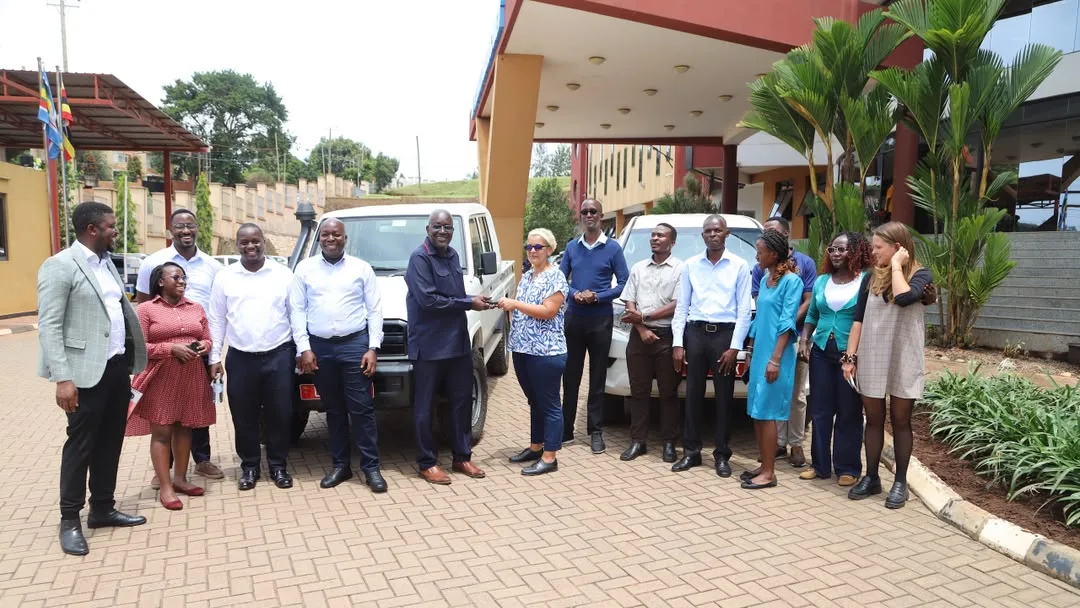
Uganda Secures $6.3M Grant to Modernize Weather Infrastructure and Early Warning Systems
Uganda Secures $6.3M Grant to Modernize Weather Infrastructure and Early Warning SystemsKAMPALA – Th...
We are committed to ensuring sustainable management of Uganda's water and environment resources for the benefit of present and future generations. Our mission is to promote and ensure the rational and sustainable utilization of water and environment resources for socio-economic development.
Our Mission Statement:
To promote efficient and effective utilization of water and environment resources for a healthy, wealthy and climate resilient population
Vision Statement:
Transformed Ugandan Society with environment and natural resources sustainably managed.
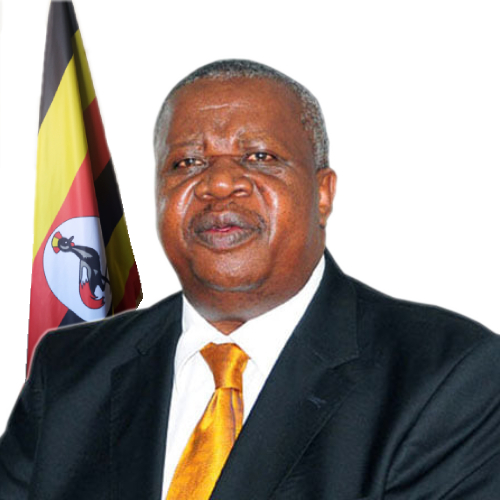
Minister of Water & Environment
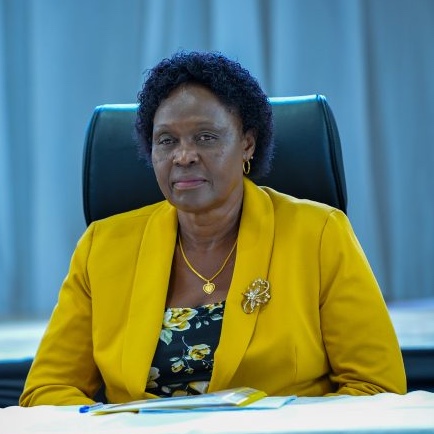
Minister of State for Environment
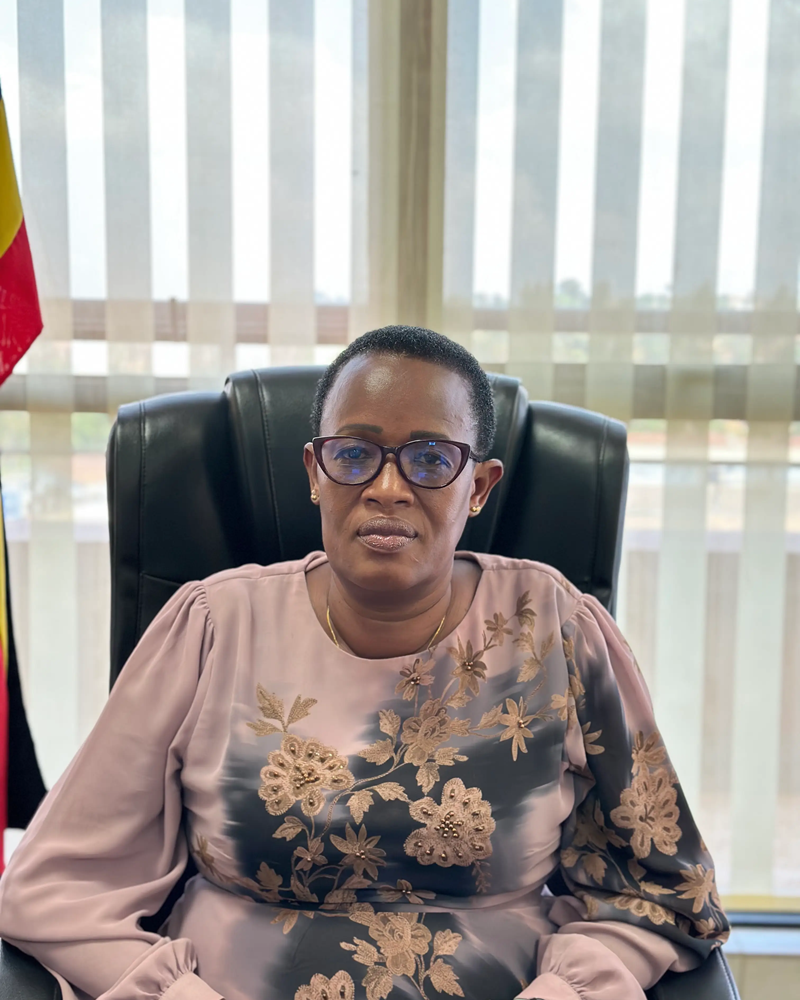
Minister of State for Water
Minister of Water & Environment
Minister of State for Environment
Minister of State for Water
Stay informed about our activities and achievements
Uganda Secures $6.3M Grant to Modernize Weather Infrastructure and Early Warning SystemsKAMPALA – Th...
Rt. Hon Robinah Nabbanja officially commissioned Mwitazinge and Kikoora Solar Water Systems in Mwita...
The Minister of State for Environment; Hon. Beatrice Atim Anywar holding Fort for the Minister of Wa...
Fishermen Become Farmers as Solar Irrigation Redefines LugonyolaIn Lugonyola village in Kaliro distr...
Uganda’s National Adaptation Plan (NAP) project is a strategic initiative to strengthen the country’s resilience to climate change through long-term, integrated planning. It’s backed by the Green Climate Fund (GCF) and implemented by the Ministry of Water and Environment, with technical support from UNEPKey Goals of the NAP ProjectReduce vulnerability to climate impacts like floods, droughts, and slow-onset eventsIntegrate climate adaptation into national and district-level development plansBuild capacity across ministries and local governments for climate-smart planningMobilize climate finance and align sectoral budgets with adaptation priorities Where It’s HappeningClimate risk assessments are being conducted in six districtsFive ministries are developing five-year expenditure frameworks for adaptationThe project promotes a whole-of-government and society approach, engaging civil society, academia, and local communitiesSector-Specific Focus: AgricultureUganda also developed a NAP for the Agricultural Sector (NAP-Ag) to:Boost climate-resilient crop, livestock, and fisheries productionPromote Climate Smart Agriculture (CSA)Ensure gender-responsive and evidence-based adaptation actions
August 8, 2024 – Kabarole District: The Ministry of Water and Environment has officially launched an ambitious watershed management and nature-based conservation project aimed at safeguarding the Mpanga catchment area, which spans approximately 5,200 km² across the districts of Kabarole, Kyenjojo, Kitagwenda, Kamwenge, Kazo, Ibanda, Mbarara, and Kiruhura. This project is set to play a pivotal role in addressing pressing environmental challenges, including wetland encroachment, river bank degradation, and pollution, as identified in the Mpanga Catchment Management Plan (CMP) completed in 2015.The CMP has been actively implemented by both government and non-government actors under the leadership of the Directorate of Water Resources Management through the Albert Water Management Zone (AWMZ) since 2015. With a fresh injection of funding from the Conrad N. Hilton Foundation, the Ministry is poised to intensify efforts in watershed management and nature-based water conservation activities within the Mpanga catchment.The project launch, held in Fort Portal Tourism City, Kabarole District, was graced by the Director Water Resources Management, Dr Callist who represented the Minister of Water and Environment and who delivered an inspiring speech. “It is my honor and privilege to be with you today at the launch of this transformative initiative, made possible through the generous support of the Conrad N. Hilton Foundation,” the Minister began. “This project marks a significant milestone for sustainable water management and environmental stewardship in the Mpanga Catchment.”Project Goals and ObjectivesThe primary goal of this project is to bolster the implementation of the Mpanga Catchment Management Plan by enhancing the capacity of the AWMZ and Catchment Management Organizations (CMOs). Specific objectives include:Building the capacity of catchment management organizations to improve institutional processes, planning, and management through targeted training programs.Strengthening the AWMZ staff’s ability to coordinate activities through enhanced skills in work planning, monitoring, and conducting technical tests to ensure effective implementation.Supporting the restoration and implementation of priority conservation measures within the catchment.Positioning the AWMZ as a model for catchment-based water resources management by promoting institutional cooperation and disseminating success stories from the Mpanga catchment.Project Timeline and FundingThe project is slated to run for three years, from June 2024 to June 2027, with a total budget of 1.395 million USD, generously provided by the Conrad N. Hilton Foundation. The Ministry of Water and Environment will lead the project, collaborating closely with key partners such as Water for People and Join for Water, along with additional consultancy firms to be procured by the Ministry.Anticipated BenefitsThe project is expected to yield significant environmental and institutional benefits, including:Restoration of degraded landscapes through afforestation on both private and public lands.Restoration and demarcation of wetland systems and their buffer zones.Establishment of soil and water conservation structures.Installation of a mini weather station within the Mpanga catchment.Construction of a hydro-monitoring station at the Mpanga catchment outlet.Capacity building for the Mpanga Catchment Management Organization (CMO) to enhance its operational effectiveness.The Minister highlighted the project’s focus on scaling up these efforts: “Today, we embark on a journey to scale up the implementation of remedial catchment management measures in the Mpanga Catchment to safeguard our precious water and environmental resources for generations. This project will focus on data collection, wetland restoration, re-afforestation, and capacity development of the Catchment Management Organization.”As the project officially gets underway, it marks a significant step forward in the sustainable management of the Mpanga catchment, ensuring the protection and conservation of vital water resources for the communities and ecosystems that depend on them.The Minister concluded by expressing gratitude to the partners involved: “I appreciate the Water For People team working tirelessly with the Ministry staff in drafting the project proposal. I also acknowledge Join For Water for their support in the preparatory meetings.”The launch event was attended by key stakeholders, including district chairpersons, resident district commissioners, chief administrative officers, representatives from civil society organizations, the private sector, religious institutions, and the media.This ambitious project underscores the Ministry of Water and Environment’s commitment to sustainable environmental management and its role in contributing to global climate change mitigation efforts.
FIEFOC IIThe Farm Income Enhancement and Forest Conservation Programme – Project 2 (FIEFOC – 2) has been a significant development initiative for Uganda, designed within the context of the Government’s National Development Plan II (NDP II) and the long-term development strategy, Vision 2040. Both national frameworks have promoted agricultural infrastructure and income enhancement as key drivers of socio-economic progress. Building upon the achievements of its predecessor, FIEFOC 1 (which concluded in December 2012), FIEFOC – 2 has played a crucial role in the national agenda to significantly increase the land area under irrigated agriculture from 14,418 hectares in 2014 towards the ambitious target of about 420,000 hectares by 2035. The project has completed its operations in December 2024, following a “no cost extension” agreement between the African Development Bank and the Government of Uganda.ABOUT FIEFOC IIFarm Income Enhancement and Forest Conservation Programme – Project 2 (FIEFOC –2) is designed within the context of the Government of Uganda’s National Development Plan II (NDP II), and the long term development strategy, the Vision 2040 both of which promote agricultural infrastructure and income enhancement. The project was initially designed as a five – year development project (2016-2021), but was later extended under “no cost extension” to December 2024, following an agreement between the African Development Bank (AfDB) and the Government of Uganda (GoU). The project is further designed to assist the Government of Uganda increase land area under irrigated agriculture from 14,418 hectares in 2014 to about 420,000 hectares by 2035. The project also seeks to consolidate and expand notable achievements registered under FIEFOC 1, which ended in December 2012.The overall objective of FIEFOC – 2 is to contribute to poverty reduction and economic growth in Uganda through enhanced productivity and commercialization of agriculture. Specifically, the project aims to improve household incomes, food security and climate resilience through sustainable natural resources management and agricultural enterprise development.The project has four components, including Agricultural Infrastructure Development, Agribusiness Development, Integrated Natural Resources Management and Project Coordination. The primary project beneficiaries, estimated at 1,816,756 are found in the districts of Pakwach, Oyam, Butaleja, Kween, and Kasese, where five irrigation schemes are constructed. These include Mubuku II irrigation scheme (Kasese district), Doho II irrigation scheme (Butaleja District), Tochi irrigation scheme (Oyam District), Ngenge irrigation scheme (Kween District) and Wadelai irrigation scheme (Pakwach District).The Ministry of Water and Environment (MWE) and the Ministry of Agriculture, Animal Industry and Fisheries (MAAIF) jointly implement the project. The water ministry is the executing agency, responsible for implementation of irrigation infrastructure and related activities under project component one and the natural resources management activities under component three. While the agriculture ministry is a key implementing partner, responsible for implementation of agronomy and extension related activities and the agri-business development.The African Development Bank (AfDB), Nordic Development Fund (NDF) and the Government of Uganda (GoU) are the key financiers of the project at the tune of USD 91, 43 million. Overall Objective and Specific Aims: The overarching objective of FIEFOC – 2 has been to contribute substantially to poverty reduction and economic growth in Uganda through enhanced productivity and commercialization of agriculture. More specifically, the project has aimed to:Improve household incomes and food security.Strengthen climate resilience among farming communities.Achieve these goals through sustainable natural resources management and robust agricultural enterprise development.Project Components: The project has been structured around four key components to achieve its comprehensive objectives:Agricultural Infrastructure Development: Has focused on the construction and rehabilitation of vital agricultural infrastructure, primarily irrigation schemes.Agribusiness Development: Has aimed at supporting the commercialization of agriculture by strengthening value chains and market linkages for farmers.Integrated Natural Resources Management: Has focused on promoting sustainable land use, soil and water conservation, and forest conservation to ensure the long-term health of the environment supporting agriculture.Project Coordination: Has ensured efficient management, monitoring, and evaluation across all project activities and implementing partners.Key Achievements and Scope: FIEFOC – 2 has delivered significant tangible outcomes across its target areas. The project’s primary beneficiaries, estimated at 1,816,756 individuals, have been found in the districts of Pakwach, Oyam, Butaleja, Kween, and Kasese. A cornerstone of the project’s success has been the construction of five major irrigation schemes:Mubuku II irrigation scheme (Kasese District)Doho II irrigation scheme (Butaleja District)Tochi irrigation scheme (Oyam District)Ngenge irrigation scheme (Kween District)Wadelai irrigation scheme (Pakwach District)Ministry Roles in Implementation: The project has been a collaborative effort between the Ministry of Water and Environment (MWE) and the Ministry of Agriculture, Animal Industry and Fisheries (MAAIF).Ministry of Water and Environment (MWE): As the executing agency, MWE has been responsible for the implementation of irrigation infrastructure and related activities under the Agricultural Infrastructure Development component (Component 1). MWE also has led the natural resources management activities under Component 3.Ministry of Agriculture, Animal Industry and Fisheries (MAAIF): As a key implementing partner, MAAIF has been responsible for agronomy and extension-related activities, as well as agribusiness development initiatives under Component 2.Impact and Legacy: The completion of FIEFOC – 2 has marked a significant milestone in Uganda’s journey towards agricultural transformation and climate resilience. The five newly constructed irrigation schemes have provided essential infrastructure to support year-round farming, reduce climate vulnerability, and boost food security in their respective regions. The project’s integrated approach to agricultural development and natural resources management has laid a stronger foundation for sustainable farming practices, contributing directly to poverty reduction and enhanced economic growth for hundreds of thousands of beneficiaries across the targeted districts. The experiences and lessons learned from FIEFOC-2 continue to inform future strategies for sustainable agriculture and water resource management in Uganda.
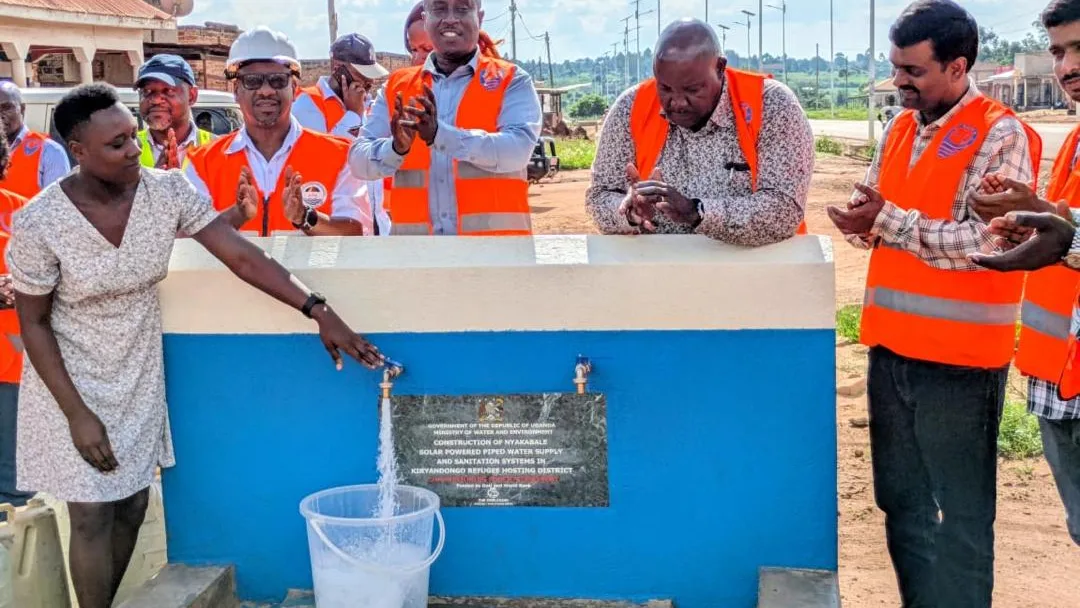
The EU-TF (SPRS-NU) Support Programme to the Refugee Settlements and Host Communities in Northern Uganda is a multifaceted initiative established under the European Union Emergency Trust Fund for Africa. Its primary objective is to address the humanitarian and developmental needs of South Sudanese refugees and their host communities in Northern Uganda, particularly in response to the significant influx of refugees since July 2016. The project aims to move beyond emergency aid towards more sustainable solutions, fostering stability and reducing the risk of conflict between refugee and host populations.Overall Objective and Specific AimsThe overarching objective of SPRS-NU is to reduce the risk of violent conflict between host communities and refugees in the refugee-hosting districts of Northern Uganda. More specifically, the project aims to:Improve food security, nutrition, and livelihoods of both refugee populations and host communities in a sustainable manner, by enhancing local production and fostering economic exchanges.Improve inter-community dialogue at the local level and establish conflict prevention mechanisms to mitigate clashes between or within communities.Improve the level of education and increase medium to long-term economic opportunities for refugees and host communities, especially youth and women, through skills development and entrepreneurship support, contributing to better integration.Ensure sustainable access to safe water and improve environmental sanitation conditions in targeted settlements and host communities.Project ComponentsThe SPRS-NU project is structured around several key components, often implemented by different partners to achieve its comprehensive objectives:Livelihood and Labor Market Relevant Skills Development: Focuses on providing quality skills training, entrepreneurial guidance, and start-up kits for refugees and host communities, with a particular emphasis on youth, women, and girls. This includes vocational training and accreditation of acquired skills.Water, Sanitation, and Hygiene (WASH) Component: Concentrates on constructing and rehabilitating essential water supply systems (e.g., piped water systems), improving environmental sanitation through the construction of faecal sludge treatment plants, and establishing sustainable operation and maintenance structures for these facilities.Community Dialogue and Conflict Prevention: Aims to facilitate improved relations between refugees and host communities through dialogue mechanisms and the establishment of local conflict prevention initiatives.Basic Services and Education: Supports improved access to essential services like education, recognizing its role in long-term economic opportunities and integration.Key Activities and ProgressWithin the WASH component, the project has specifically targeted 12 settlements, including Alere, Nyumanzi, Maaji II, Olujobo, Ranch I, Ayelo, Maaji III, Pagirinya, Bidibidi Zone V, Eden, Afua, and Ariaze.The project has undertaken a range of activities to achieve its aims:Skills Development: Provision of technical vocational education and training (TVET) and entrepreneurship support, with thousands of beneficiaries receiving quality skills development and start-up kits.WASH Infrastructure: Construction of piped water supply systems and faecal sludge treatment plants, alongside geological and hydrological surveys and drilling of production wells in various settlements (e.g., Alere, Nyumanzi, Maaji II, Ranch I).Feasibility Studies and Designs: Ongoing detailed engineering designs for water and sanitation infrastructure in several settlements.Inter-Community Dialogue: Facilitating platforms for dialogue and conflict prevention.Mid-term Reviews: Periodic reviews (e.g., November 2023) assess project performance, coherence, efficiency, effectiveness, impact, and sustainability, providing insights for continuous improvement and learning.Impact and LegacyThe EU-TF (SPRS-NU) project has played a crucial role in addressing the complex challenges arising from large refugee populations in Northern Uganda. By focusing on both immediate needs and long-term development, it contributes significantly to:Enhanced Livelihoods: Equipping refugees and host communities with practical skills and entrepreneurial knowledge, thereby increasing their economic opportunities and reducing reliance on subsistence agriculture.Improved Social Cohesion: Mitigating potential conflicts by fostering better understanding and shared benefits between refugee and host communities.Access to Essential Services: Providing sustainable access to safe water and improved sanitation, which are fundamental for public health and environmental well-being.Sustainable Development: Laying a foundation for more resilient and self-reliant communities, aligning with Uganda’s Comprehensive Refugee Response Framework (CRRF) and broader development goals.While some components of the project have concluded their initial phases, the overall program’s integrated approach and its focus on sustainable solutions continue to inform and shape future interventions in refugee-hosting areas of Uganda.
Uganda’s National Adaptation Plan (NAP) project is a strategic initiative to strengthen the country’s resilience to climate change through long-term, integrated planning. It’s backed by the Green Climate Fund (GCF) and implemented by the Ministry of Water and Environment, with technical support from UNEPKey Goals of the NAP ProjectReduce vulnerability to climate impacts like floods, droughts, and slow-onset eventsIntegrate climate adaptation into national and district-level development plansBuild capacity across ministries and local governments for climate-smart planningMobilize climate finance and align sectoral budgets with adaptation priorities Where It’s HappeningClimate risk assessments are being conducted in six districtsFive ministries are developing five-year expenditure frameworks for adaptationThe project promotes a whole-of-government and society approach, engaging civil society, academia, and local communitiesSector-Specific Focus: AgricultureUganda also developed a NAP for the Agricultural Sector (NAP-Ag) to:Boost climate-resilient crop, livestock, and fisheries productionPromote Climate Smart Agriculture (CSA)Ensure gender-responsive and evidence-based adaptation actions
August 8, 2024 – Kabarole District: The Ministry of Water and Environment has of...
FIEFOC IIThe Farm Income Enhancement and Forest Conservation Programme – Project...
The EU-TF (SPRS-NU) Support Programme to the Refugee Settlements and Host Commun...
The Ministry of Water and Environment is committed to avoiding, minimizing, and mitigating adverse environmental and social impacts associated with its projects, as well as adopting a gender-sensitive and gender-equitable approach for all its projects.
View Standards