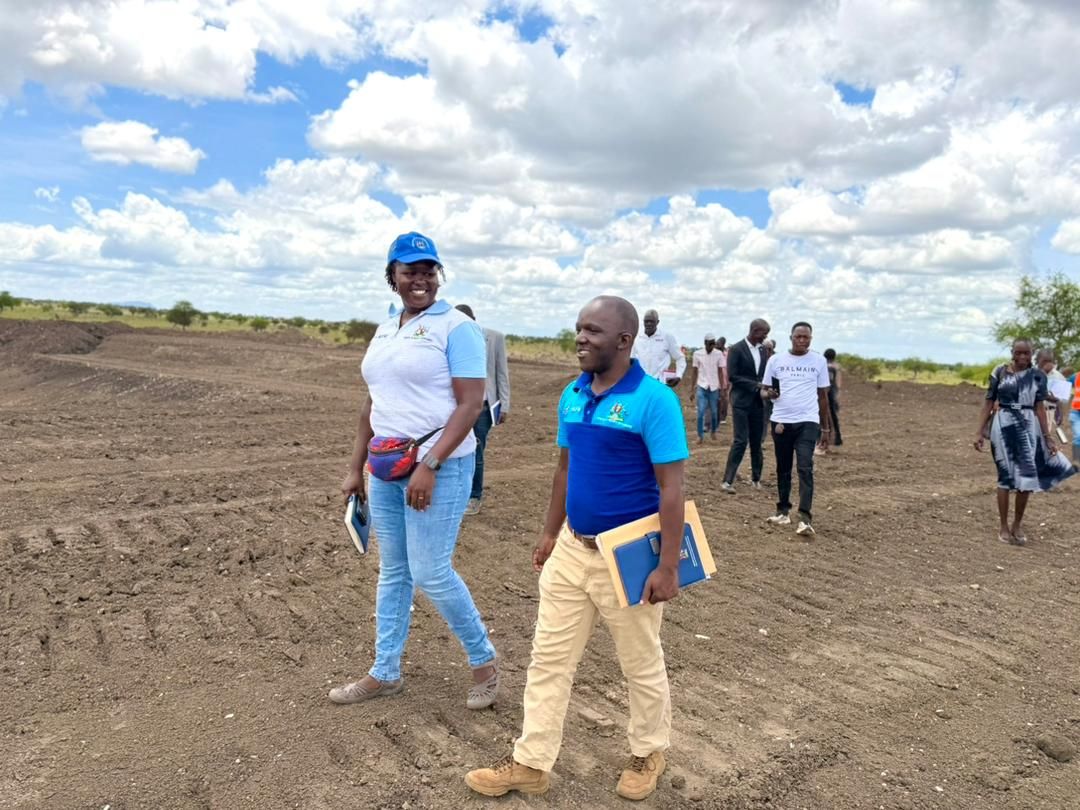
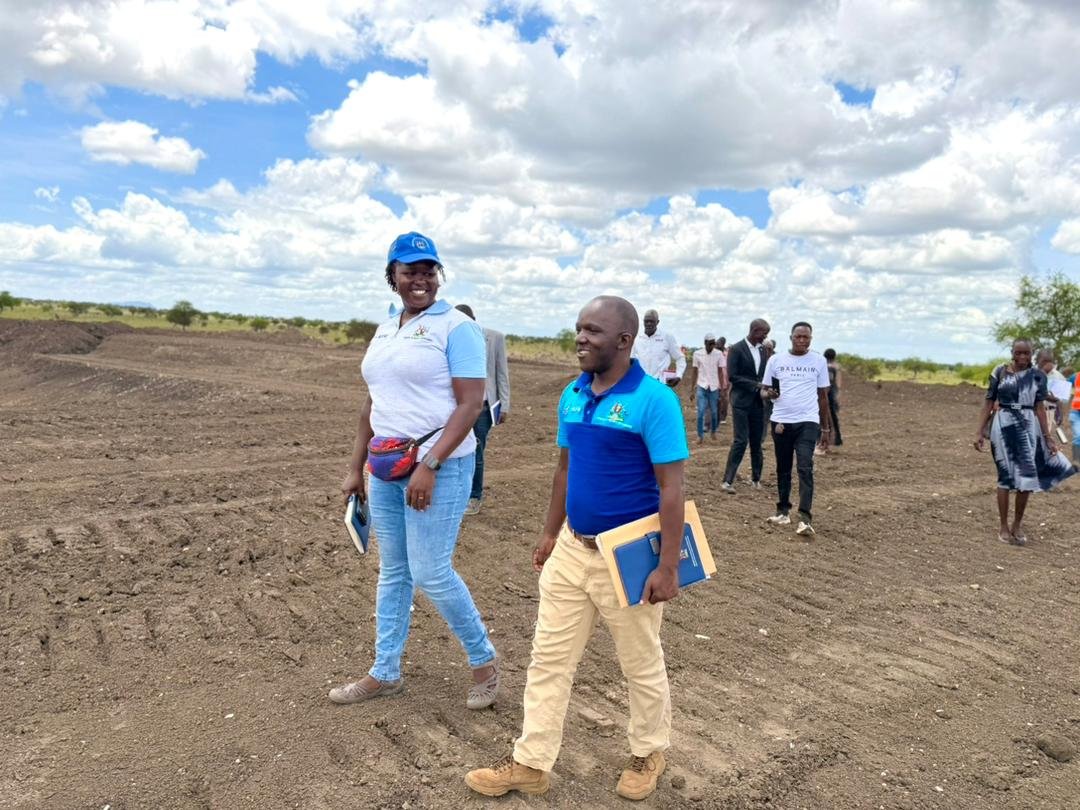
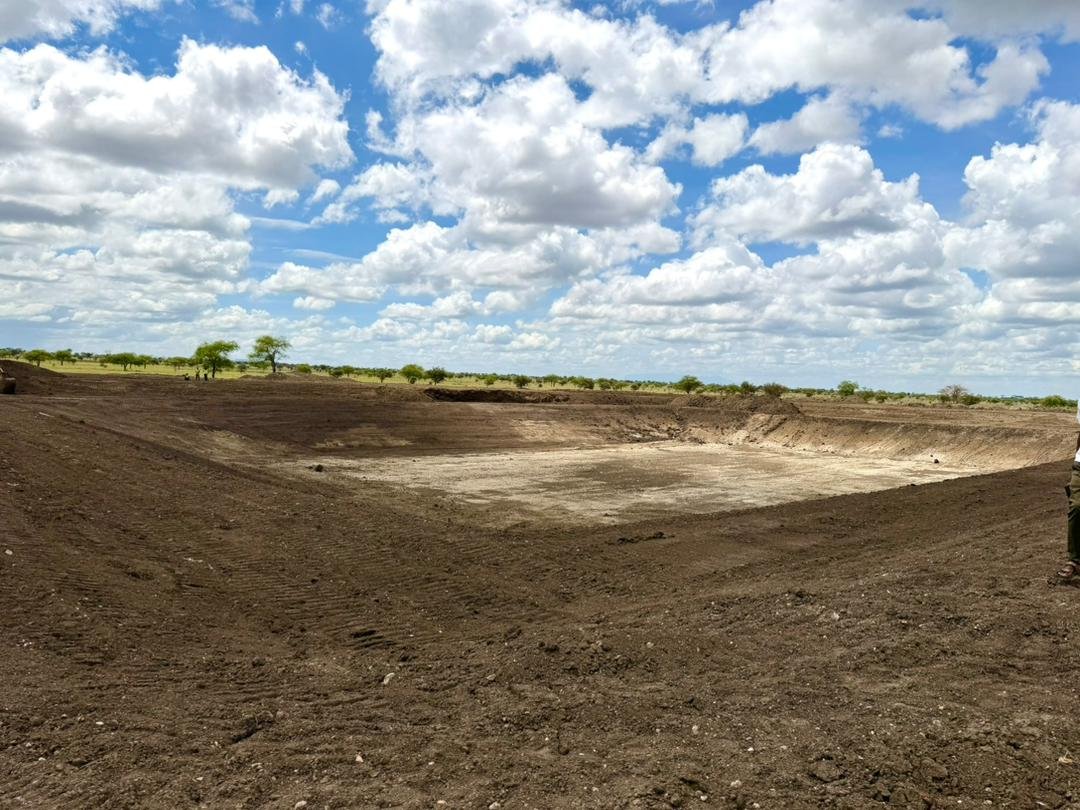
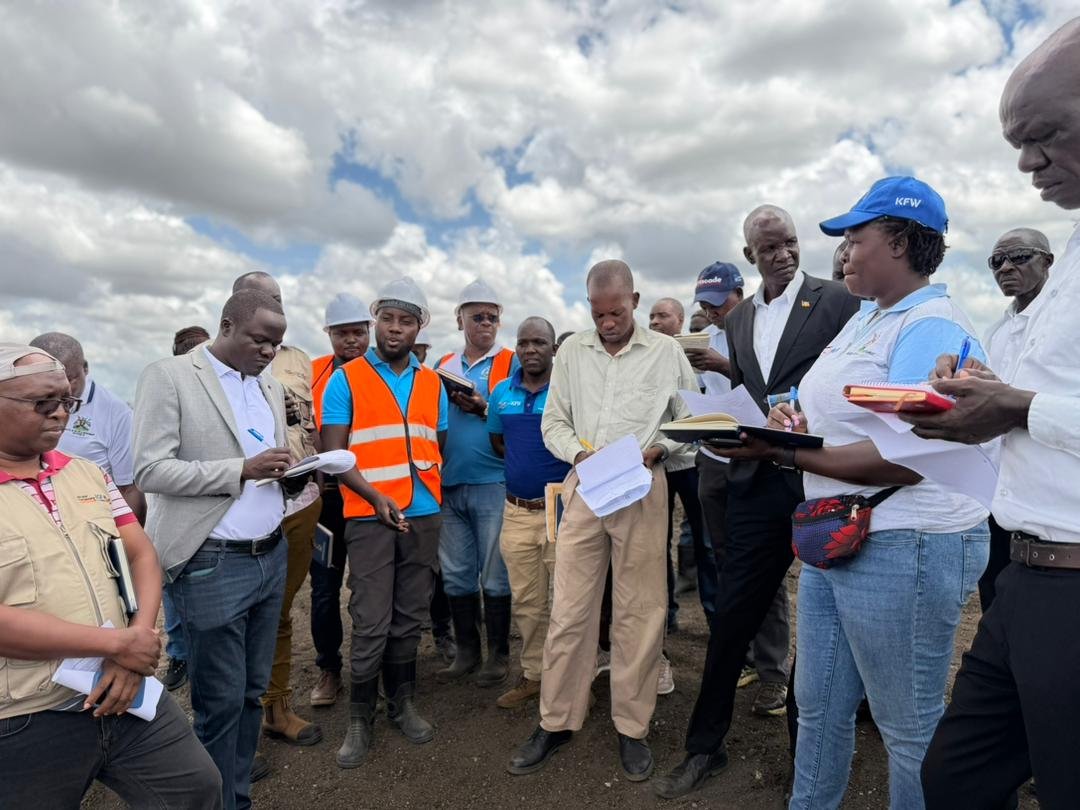
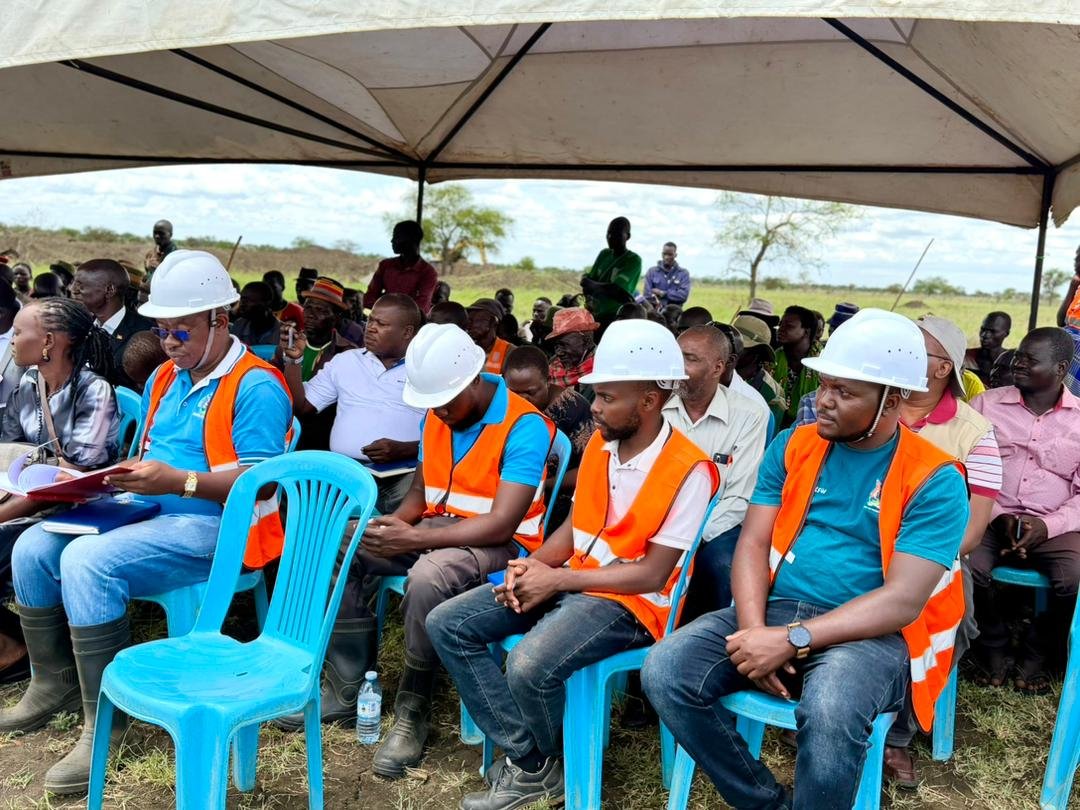
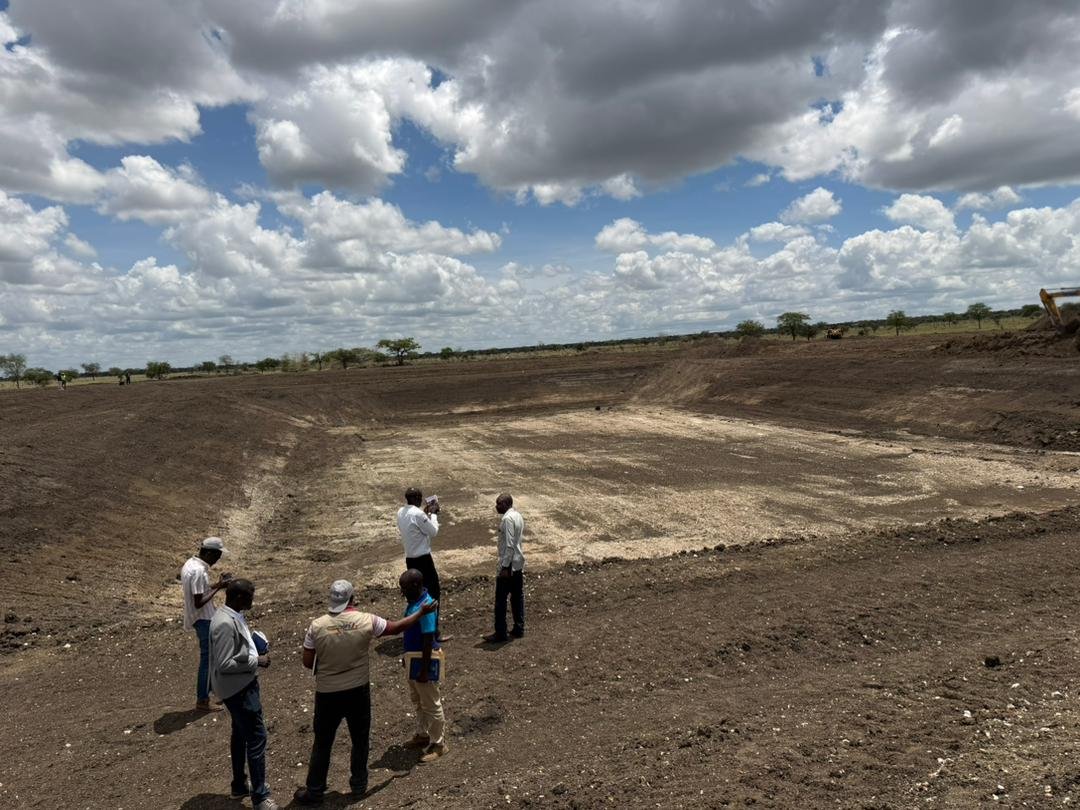
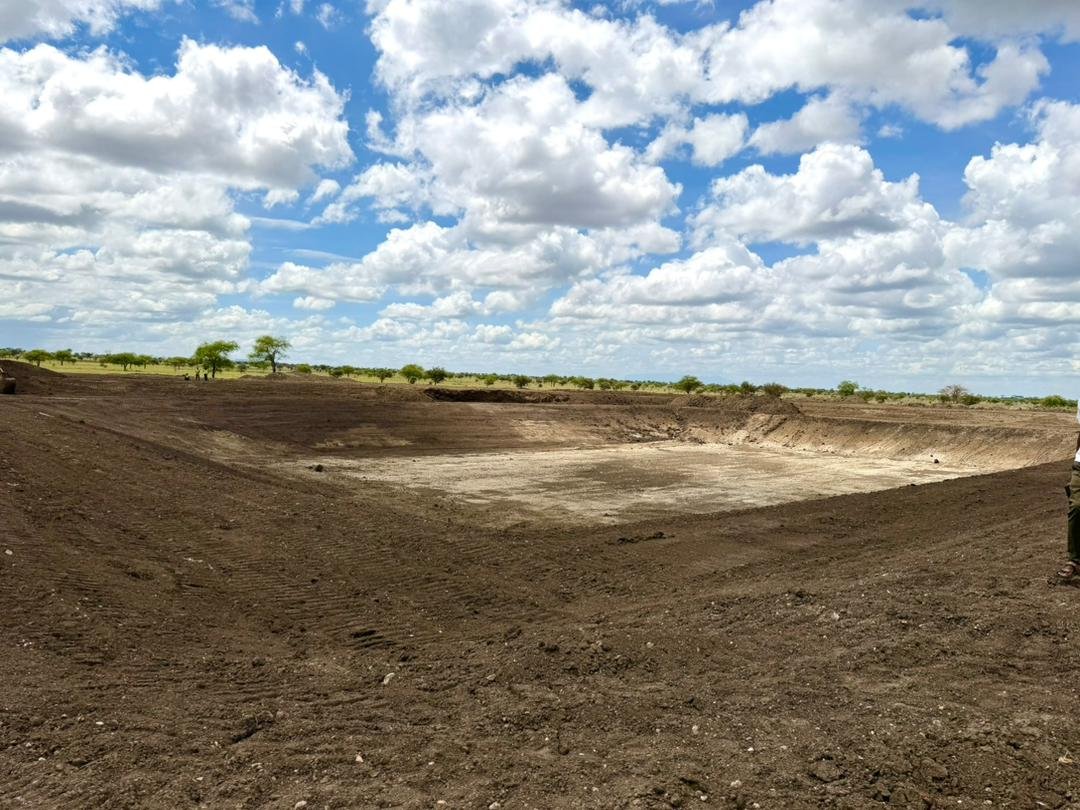
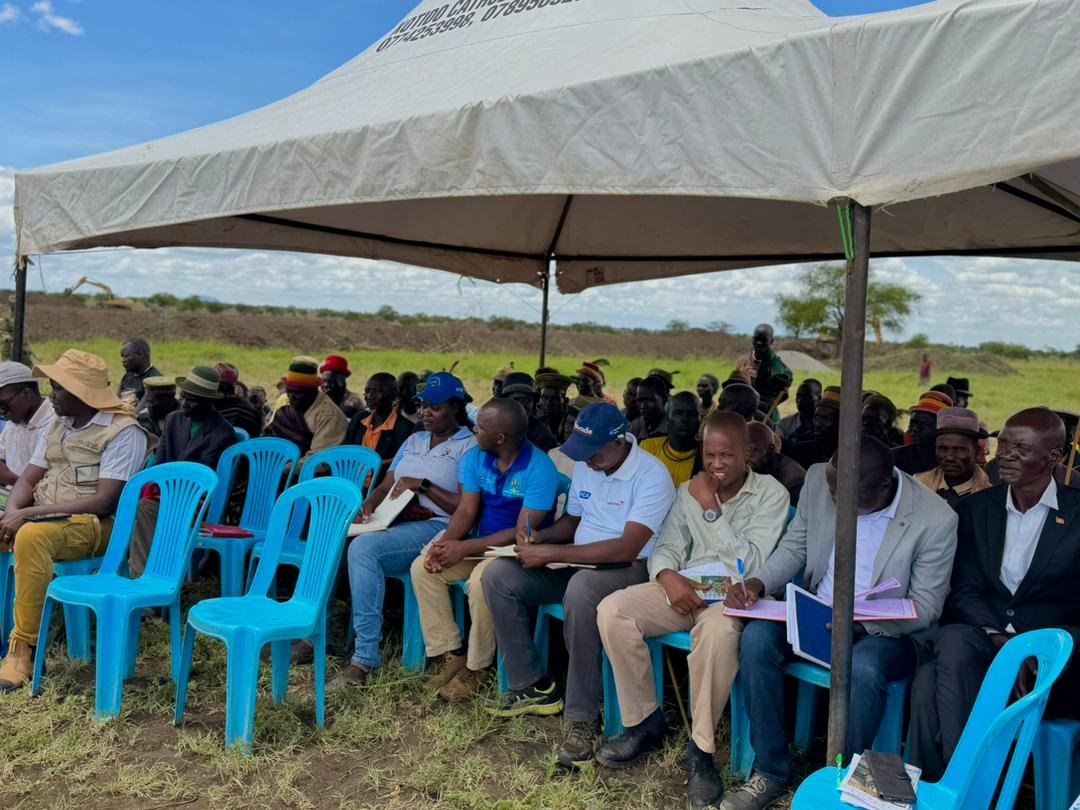
Major earthworks on the Naitakiru Valley Tank in Kotido District
The Ministry of Water and Environment, through the Water for Production Regional Centre–Karamoja,...
We are committed to ensuring sustainable management of Uganda's water and environment resources for the benefit of present and future generations. Our mission is to promote and ensure the rational and sustainable utilization of water and environment resources for socio-economic development.
Our Mission Statement:
To promote efficient and effective utilization of water and environment resources for a healthy, wealthy and climate resilient population
Vision Statement:
Transformed Ugandan Society with environment and natural resources sustainably managed.
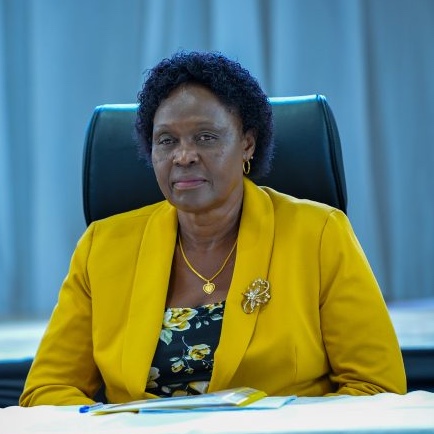
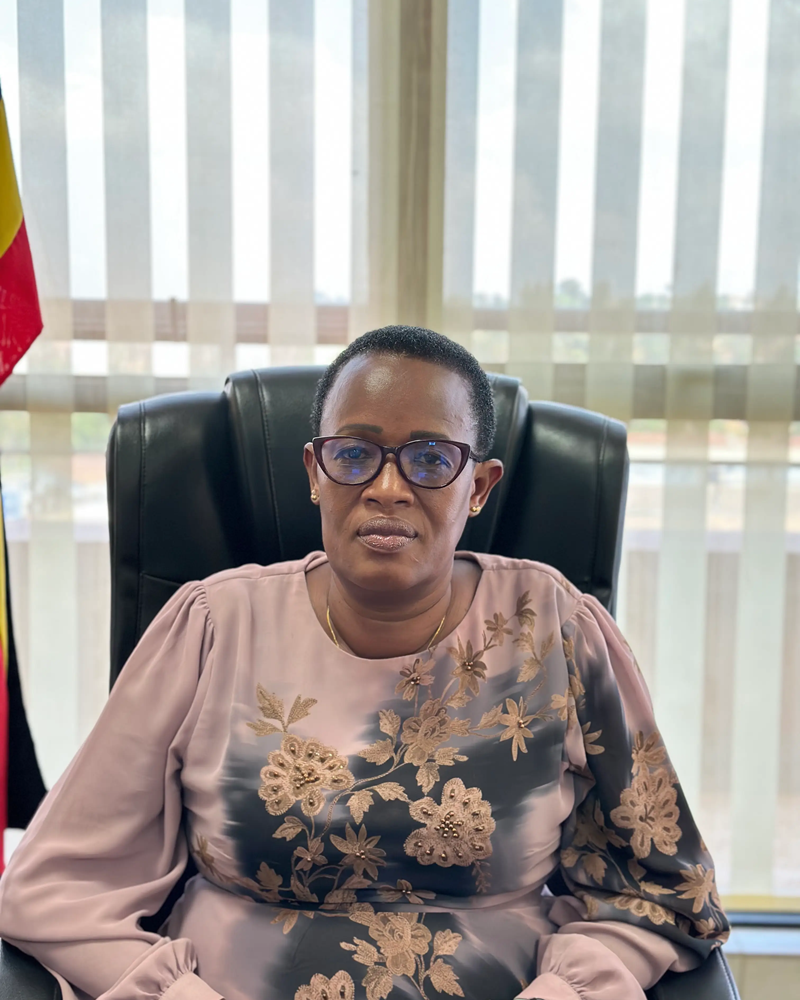
Minister of Water & Environment
Minister of State for Environment
Minister of State for Water
Minister of Water & Environment
Minister of State for Environment
Minister of State for Water
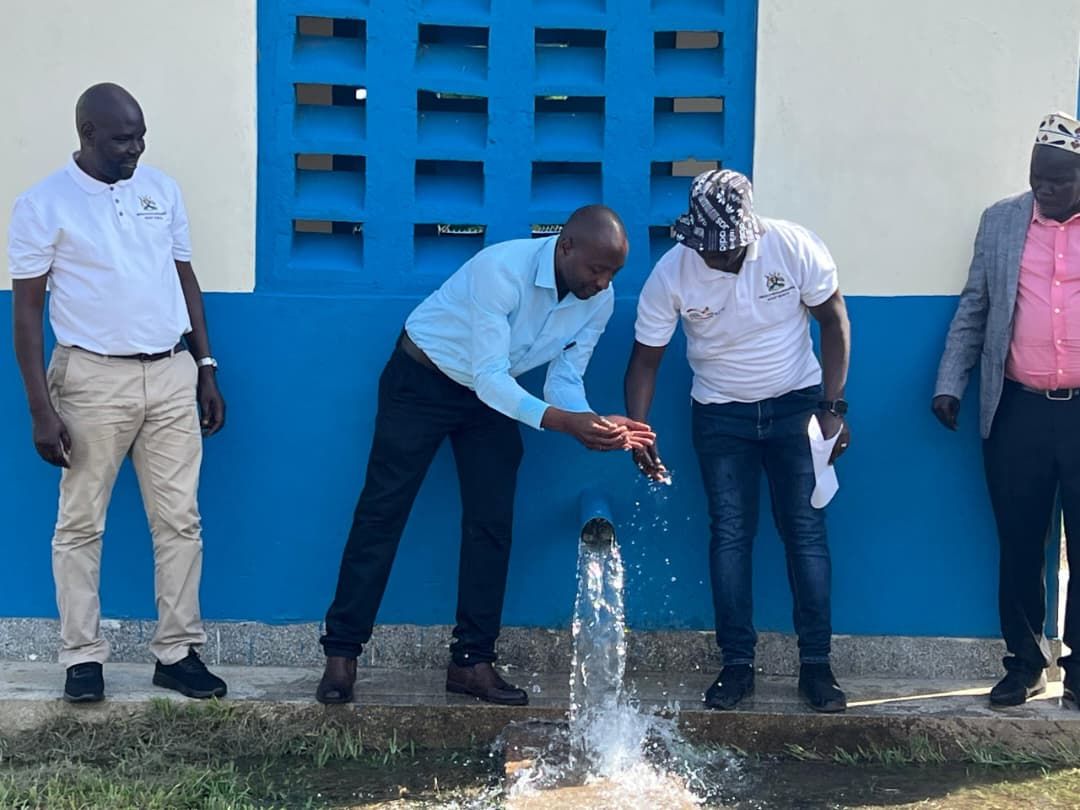
The Ministry of Water and Environment, through the Water for Production Regional Centre–Karamoja,...
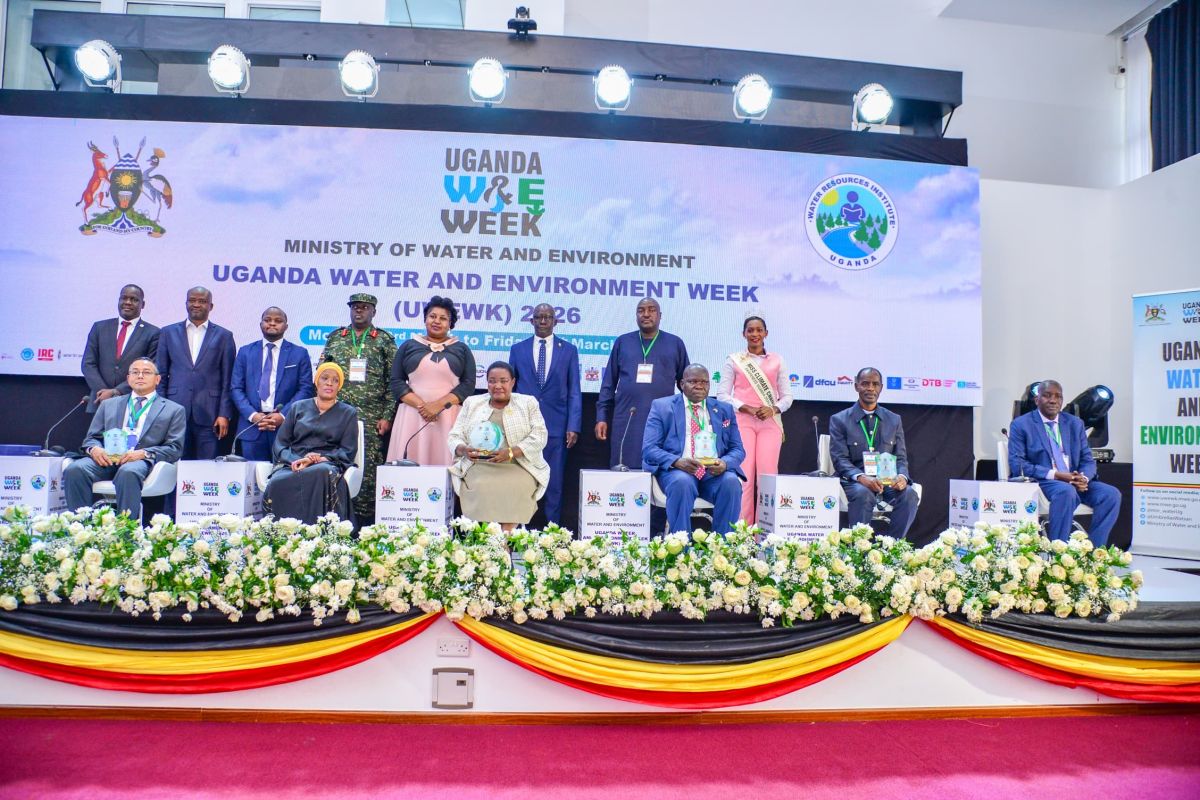
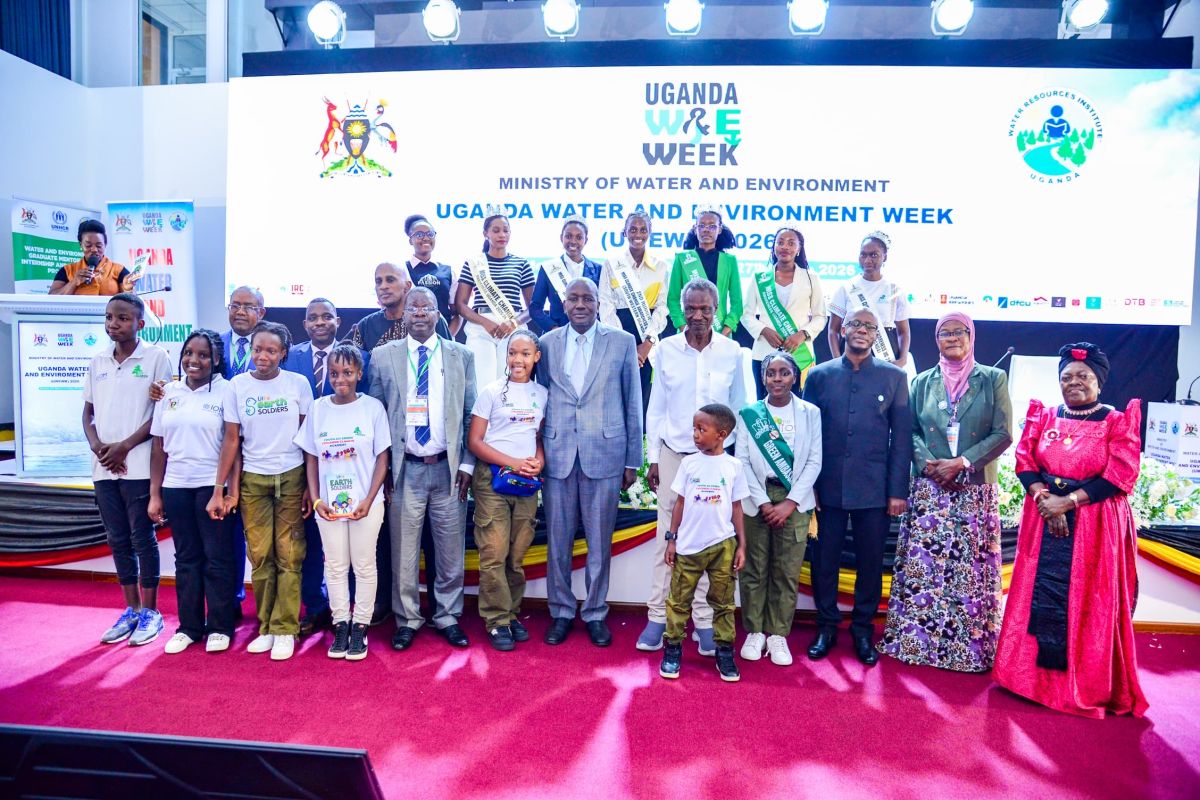
The Ministry of Water and Environment( MWE) through the Department of Environment Sector Support Ser...
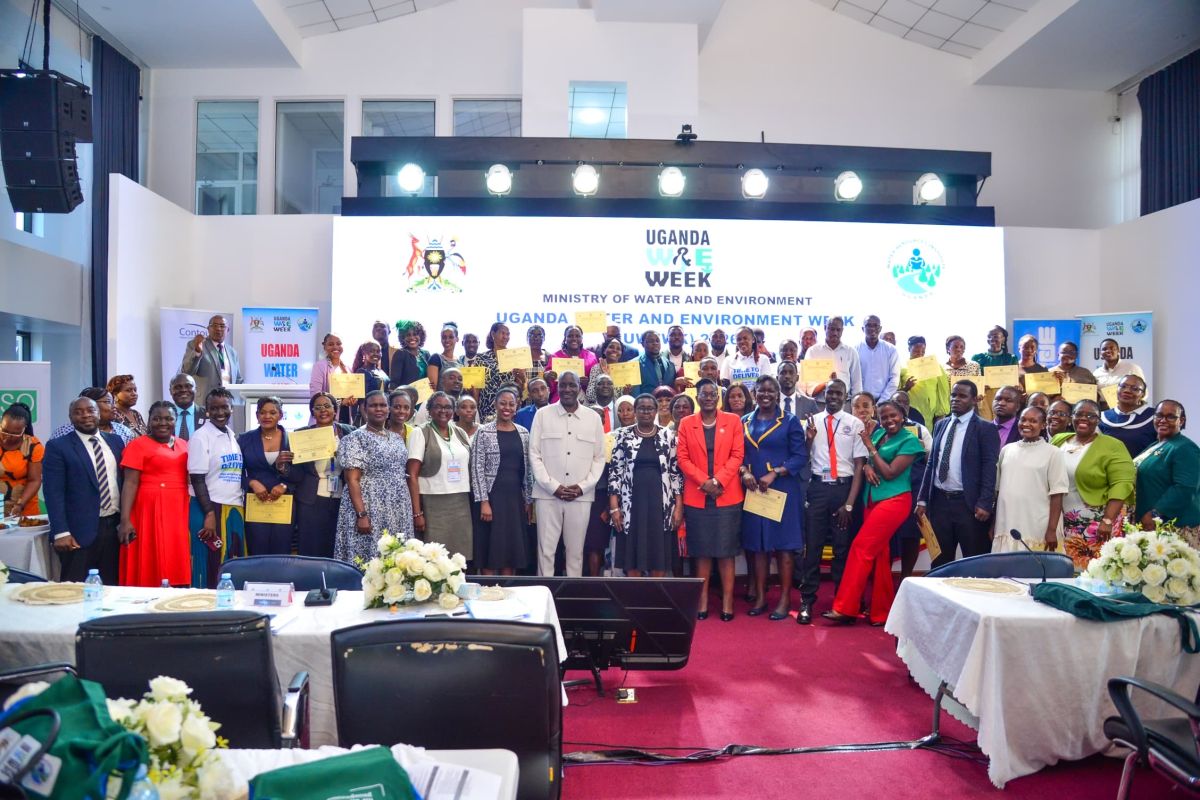
The Minister of Water and Environment; Hon. Sam Cheptoris represented the Guest of Honour - the Mini...
The Deputy Head of Public Service and Deputy Secretary to the Cabinet; Dr. Theopista Mary Wenene off...
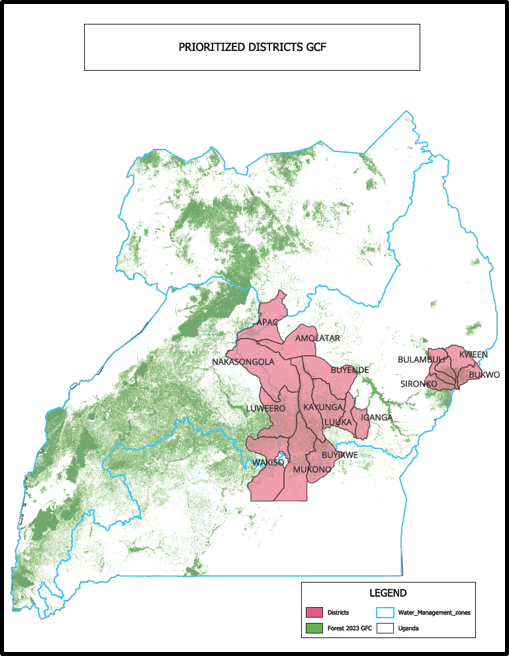
Overview: This is an ongoing Government of Uganda initiative, led by the Ministry of Water and Environment (MWE) and the Ministry of Energy and Mineral Development (MEMD). It is funded by the European Union and implemented by the Food and Agriculture Organization (FAO).Problem: Uganda faces significant deforestation and environmental degradation due to unsustainable charcoal production, which remains a primary energy source, particularly in urban areas.Goal: To mitigate the negative environmental, social, and economic impacts of charcoal production by promoting sustainable practices and cleaner energy alternatives across the value chain.Key Interventions:Sustainable Forest Management: Supporting the establishment of wood energy plantations with fast-growing tree species and rehabilitating degraded natural forests on private lands.Improved Charcoal Production: Facilitating the adoption of efficient charcoal kilns (e.g., Casamance kilns) through subsidies and training to reduce wood waste and increase efficiency.Policy & Governance: Strengthening regulatory frameworks and fostering cross-sector collaboration to formalize and govern the sustainable charcoal value chain.Clean Energy Promotion: Raising public awareness and supporting the adoption of cleaner energy alternatives like solar, LPG, and improved cooking stoves.Impact: The project aims to achieve reduced deforestation, increased forest cover, enhanced livelihoods for communities reliant on charcoal, and the development of a more efficient and sustainable energy sector in Uganda. Project activities are concentrated in 14 districts across Northern, West Nile, Central, and Mid-Western Uganda.
The Joint Water and Environment Sector Support Programme (JWESSP) was a comprehensive and strategic initiative undertaken by the Ministry of Water and Environment, spanning from 2013 to 2018. This programme represented a significant step towards achieving sustainable management of Uganda’s water and environmental resources, contributing directly to the country’s national development goals, including poverty eradication, improved health, and socio-economic transformation. JWESSP was designed as a sector-wide approach, fostering strong collaboration among government entities, development partners, and local communities to deliver integrated water and environmental services across the nation.Key Objectives and Achievements:JWESSP focused on several critical areas, yielding substantial positive impacts across the water and environment sector:Improved Access to Safe Water: The programme significantly contributed to increasing access to safe and clean water sources in both rural and urban areas. This involved the construction and rehabilitation of boreholes, protected springs, piped water systems, and rainwater harvesting facilities, directly improving the health and well-being of millions of Ugandans.Achieved an increase in national safe water coverage.Reduced incidence of waterborne diseases in targeted communities.Example Achievement: Construction of [Number] new boreholes in [Specific Regions/Districts].Enhanced Sanitation and Hygiene Promotion: Complementing water supply efforts, JWESSP invested heavily in promoting improved sanitation and hygiene practices. This included the construction of improved latrines in schools and public places, and extensive community sensitization campaigns on sanitation ladder principles, handwashing, and safe waste disposal.Increased household latrine coverage and improved hygiene behaviors.Improved sanitation facilities in hundreds of schools.Example Achievement: Over [Number] communities declared Open Defecation Free (ODF) status.Sustainable Water Resources Management: A core component of JWESSP was strengthening the sustainable management of Uganda’s vital water resources. This involved developing and implementing Catchment Management Plans, monitoring water quality and quantity, and strengthening regulatory frameworks for water abstraction and pollution control.Establishment and operationalization of [Number] Water Management Zones/Catchment Management Organizations.Improved data collection and analysis for informed water resource planning.Example Achievement: Development of the [Specific Catchment Name] Catchment Management Plan.Environmental Management and Restoration: The programme made significant strides in environmental protection, conservation, and restoration. This included initiatives in wetland restoration, sustainable land management practices, afforestation and re-afforestation efforts, and climate change adaptation and mitigation measures.Rehabilitation of [Number] hectares of degraded wetlands.Tree planting campaigns across various districts.Example Achievement: Development of [Specific Policy/Guideline] for sustainable environmental management.Strengthened Sector Coordination and Capacity Building: JWESSP played a crucial role in enhancing the institutional capacity of the Ministry of Water and Environment and local governments. This involved training staff, improving planning and monitoring systems, and fostering better coordination among all sector stakeholders to ensure efficient and effective service delivery.Improved inter-agency collaboration within the water and environment sector.Enhanced technical skills of MWE staff and local government officials.Example Achievement: Development of the [Specific Reporting System/Framework] for sector performance monitoring.Impact and Legacy: The JWESSP significantly contributed to the achievements outlined in Uganda’s National Development Plans during its operational period. Its integrated approach led to more holistic and sustainable interventions in water supply, sanitation, hygiene, and environmental management. The programme laid a robust foundation for subsequent sector interventions and policies, leaving a lasting legacy of improved infrastructure, strengthened capacity, and a heightened awareness of sustainable water and environmental resource management among Ugandans. The lessons learned from JWESSP continue to inform ongoing and future projects within the Ministry of Water and Environment, ensuring a continuous commitment to a water-secure and environmentally sustainable Uganda.
Learn More
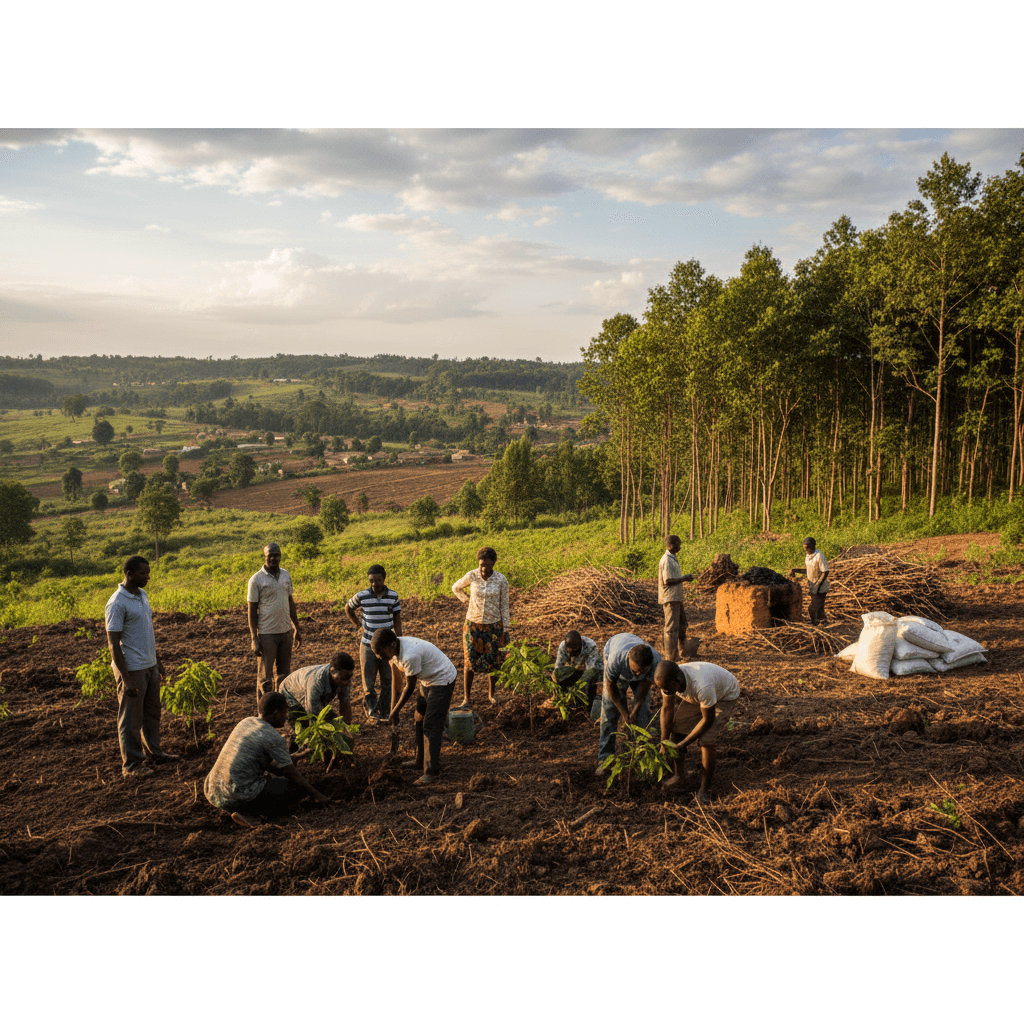
Project summary Between 2016 and 2017, Uganda achieved a major climate milestone by reducing over 8 million tonnes of CO₂ equivalent through targeted efforts to combat deforestation. These results were reported in Uganda’s Biennial Update Report (BUR) and validated through the UNFCCC’s technical assessment and analysis processes. At the 43rd Meeting of the Green Climate Fund (GCF) Board (27–30 October 2025, Songdo, Republic of Korea), the Food and Agriculture Organization of the United Nations (FAO) will present the project “Uganda REDD+ Results-Based Payment for Emission Reductions (2016–2017)”. The proposal seeks a USD 31 million GCF grant to reward Uganda’s verified emission reductions and support continued efforts to halt deforestation and forest degradation. This is the first REDD+ Results-Based Payment project in Africa to be presented to the GCF Board, positioning Uganda as a regional leader in climate mitigation and forest conservation.Forests under pressure Uganda’s forests are facing increasing threats from agricultural and settlement expansion, grazing, and unsustainable wood harvesting for charcoal and timber. These proximate drivers are underpinned by broader socio-economic factors, including, limited economic alternatives, weak governance, insecure land tenure, and rapid population growth.Agricultural conversion for commodities, such as cassava and cattle, is responsible for over 90 percent of forest loss.These pressures are eroding vital ecosystems and accelerating emissions, underscoring the urgent needfor policies and measures that both sustain existing forests and expand forest cover while safeguardingthe rights and livelihoods of forest-dependent communities. This project will build on Uganda’s REDD+Strategy and address the drivers of deforestation and forest degradation through: Sustainable land management and agroforestry; Climate-smart agriculture and sustainable woodfuel production; Community-based pole and timber plantations; and Restoration of natural forests.These strategies aim to relieve pressure on natural ecosystems while promoting carbon removal and long-term sustainability. Agroforestry systems will generate benefits from several sources, including crop yields, timber, firewood, carbon, and watershed protection. Woodlots for both timber and firewood will reduce the distances rural women must walk to collect firewood.
VCS ProgramThe Verified Carbon Standard (VCS) Program is the world’s most widely used greenhouse gas (GHG) crediting program.The Verified Carbon Standard (VCS) Program is the world’s most widely used greenhouse gas (GHG) crediting program. It drives finance toward activities that reduce and remove emissions, improve livelihoods, and protect nature. VCS projects have reduced or removed more than one billion tons of carbon and other GHG emissions from the atmosphere. The VCS Program is a critical and evolving component in the ongoing effort to protect our shared environment.By marrying scientific rigor and transparency with innovative thinking, the VCS Program has continually brought new projects, organizations, and people into the voluntary carbon market, as well as a growing number of compliance markets, and given them the necessary confidence to participate.Read More about the Project
Learn More
Overview: This is an ongoing Government of Uganda initiative, led by the Ministry of Water and Environment (MWE) and the Ministry of Energy and Mineral Development (MEMD). It is funded by the European Union and implemented by the Food and Agriculture Organization (FAO).Problem: Uganda faces significant deforestation and environmental degradation due to unsustainable charcoal production, which remains a primary energy source, particularly in urban areas.Goal: To mitigate the negative environmental, social, and economic impacts of charcoal production by promoting sustainable practices and cleaner energy alternatives across the value chain.Key Interventions:Sustainable Forest Management: Supporting the establishment of wood energy plantations with fast-growing tree species and rehabilitating degraded natural forests on private lands.Improved Charcoal Production: Facilitating the adoption of efficient charcoal kilns (e.g., Casamance kilns) through subsidies and training to reduce wood waste and increase efficiency.Policy & Governance: Strengthening regulatory frameworks and fostering cross-sector collaboration to formalize and govern the sustainable charcoal value chain.Clean Energy Promotion: Raising public awareness and supporting the adoption of cleaner energy alternatives like solar, LPG, and improved cooking stoves.Impact: The project aims to achieve reduced deforestation, increased forest cover, enhanced livelihoods for communities reliant on charcoal, and the development of a more efficient and sustainable energy sector in Uganda. Project activities are concentrated in 14 districts across Northern, West Nile, Central, and Mid-Western Uganda.
The Joint Water and Environment Sector Support Programme (JWESSP) was a comprehe...
Project summary Between 2016 and 2017, Uganda achieved a major climate milestone...
VCS ProgramThe Verified Carbon Standard (VCS) Program is the world’s most widely...
The Ministry of Water and Environment is committed to avoiding, minimizing, and mitigating adverse environmental and social impacts associated with its projects, as well as adopting a gender-sensitive and gender-equitable approach for all its projects.
View Standards