Kampala, 3 November 2026 – The Government of Uganda has called for stronger global climate action that translates international commitments into tangible benefits for vulnerable communities, as the country deepens preparations for the 31st Conference of the Parties to the United Nations Framework Convention on Climate Change (COP31), scheduled for 9–20 November 2026 in Antalya, Türkiye.
Speaking at the National Pre-COP31 Forum, the Minister of State for Environment Hon. Beatrice Anywar Atim emphasised “we need for a unified national position that reflects Uganda’s development priorities, climate vulnerabilities and aspirations, while strengthening the country's voice in international climate negotiations”.
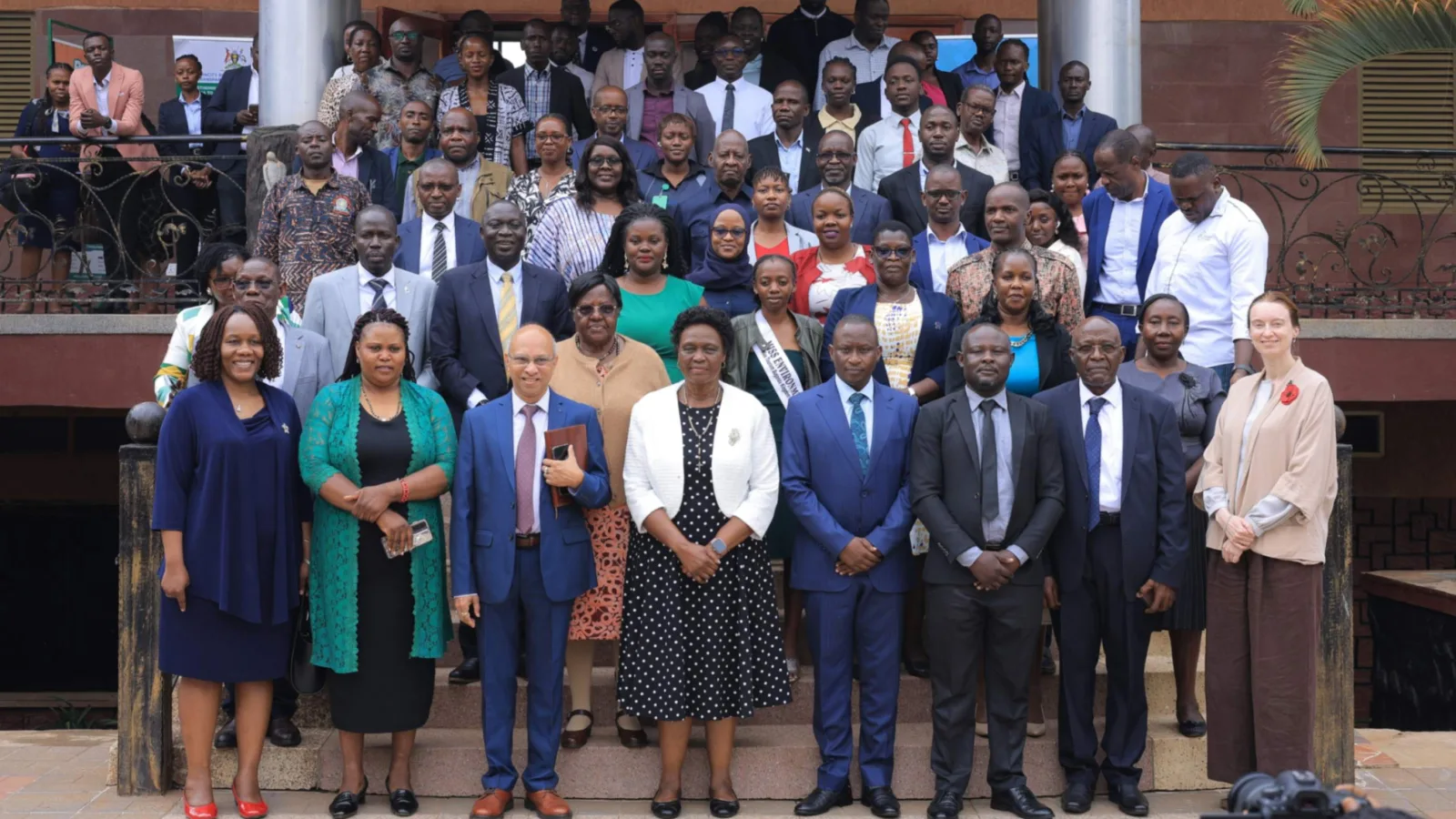
The forum brought together representatives of diplomatic missions, Members of Parliament, Permanent Secretaries, Government Ministries, Departments and Agencies, Local Governments, development partners, lead negotiators, civil society organisations, children and youth, and the media to consolidate Uganda’s priorities ahead of the global climate conference. The discussions focused on key negotiation areas: adaptation, including technology development and transfer.
The Ministry underscored that Uganda's engagement at COP31 must be guided by the realities facing its population, particularly the growing effects of floods, droughts and landslides, which continue to disrupt livelihoods, damage infrastructure and place pressure on public resources.
The Minister called on Uganda’s lead negotiators to prioritise stronger community resilience through increased investment in climate adaptation across agriculture, water, health, infrastructure and ecosystem management. The Hon. Beatrice Anywar Atim also emphasised the need for timely, accessible support to address loss and damage, particularly for vulnerable communities already experiencing severe climate impacts.
On climate finance, Muhammad Semambo the Assistant Commissioner Adaptation and mitigation representing the Commissioner Climate Change and Carbon Trade reiterated the call for adequate, predictable and accessible funding, with particular emphasis on grant-based financing for adaptation and the needs of Least Developed Countries. He stressed that climate finance should strengthen resilience without exposing developing countries to unsustainable debt burdens.
At the national level, government institutions, local governments and development partners were urged to strengthen coordination, project preparation and accountability to ensure that resources mobilised through climate finance translate into visible and measurable benefits for communities.
Uganda also reaffirmed its commitment to contributing to global mitigation efforts while pursuing its development priorities. With the country finalising its third Nationally Determined Contribution (NDC 3.0), emphasis was placed on expanding access to affordable renewable energy, improving energy efficiency, promoting clean cooking and supporting sustainable production systems.
On carbon markets, Uganda underscored the opportunities presented by Article 6 of the Paris Agreement to attract climate investments, while emphasising the need for environmental integrity, transparent accounting and protection of community rights and interests. Relevant institutions, project developers and partners were encouraged to strengthen coordination to ensure that carbon market investments are credible and deliver fair benefits to participating communities.
The Ministry acknowledged the contributions of development partners and civil society organisations, including Faraja Africa Foundation, ACODE, PELUM Uganda, Regenerate Africa, EMLI Bwaise Facility and Climate Action Network-Uganda (CAN-U), whose support has strengthened Uganda’s preparations and national climate engagement.
As Uganda prepares for COP31, the Minister called for collective responsibility that extends beyond international negotiations, urging all participating institutions to translate the conference outcomes into concrete national actions.
The National Pre-COP31 Forum is expected to consolidate Uganda’s negotiating positions, strengthen stakeholder alignment and establish a common national agenda to guide the country's participation at COP31.