
Forestry Department Ministry of Water and Environment
Forestry Services
Visit a Central Forest Reserve, buy quality tree seeds and seedlings, and apply for forestry licences. The services once offered by the National Forestry Authority, now delivered by the Ministry's Forestry Department.
A service of the Forestry Management Department
What would you like to do?
Choose an option to see the steps and go straight to the right page.
-
1
Choose a forest and an activity
Use the map below to see which forests offer chimpanzee tracking, birding, hiking and more.
Explore the map -
2
Book and pay online
Reserve your activity and date on Forestry Services, then pay online.
-
3
Enjoy your visit
Keep your booking reference; you can check it any time.
-
1
Work out what you need
The planting calculator below turns your land size into seedlings, spacing and cost.
Open the calculator -
2
Order seed or seedlings
From the National Tree Seed Centre and the Namanve, Banda and Masindi nurseries.
-
3
Pay online or at the bank
MTN Mobile Money, Airtel Money or card, or an assessment form for the bank.
-
1
Apply online
Start your application on the Licence Management System.
-
2
Get your fee assessment
The system generates the fees due for your licence.
-
3
Pay and follow up
Pay the assessed fees, then track the application with its reference.
-
1
Find your reference number
It is on your booking, order or application confirmation.
-
2
Check its status
Enter the reference on Forestry Services to see where it stands.
- 506
- Central Forest Reserves
- 15%
- of Uganda's forest cover is in CFRs
- 19
- forest sites open to visitors
- 8
- activities you can book
Visit a forest
Central Forest Reserves open to visitors, straight from the Forestry Services booking system. Pick an activity to see where you can do it.
. Tap a forest on the map or in the list for details.
-
Activities for this forest are not yet listed online.
Book a visit (opens in a new tab) -
Activities for this forest are not yet listed online.
Book a visit (opens in a new tab) -
- Birding
- Nature walks
-
- Batwa cultural trail
- Birding
-
Activities for this forest are not yet listed online.
Book a visit (opens in a new tab) -
Activities for this forest are not yet listed online.
Book a visit (opens in a new tab) -
- Birding
- Camping
- Chimpanzee habituation
- Chimpanzee tracking
- Nature walks
-
Activities for this forest are not yet listed online.
Book a visit (opens in a new tab) -
Activities for this forest are not yet listed online.
Book a visit (opens in a new tab) -
Activities for this forest are not yet listed online.
Book a visit (opens in a new tab) -
Activities for this forest are not yet listed online.
Book a visit (opens in a new tab) -
Activities for this forest are not yet listed online.
Book a visit (opens in a new tab) -
Activities for this forest are not yet listed online.
Book a visit (opens in a new tab) -
Activities for this forest are not yet listed online.
Book a visit (opens in a new tab) -
- Birding
- Chimpanzee habituation
- Chimpanzee tracking
- Mangabey tracking
- Nature walks
-
- Birding
- Nature walks
- No forest lists this activity yet.
Fees vary by activity and visitor category, and are shown before you pay. Browse all sites on Forestry Services.
Seeds & seedlings
Quality tree seed and seedlings for plantations, woodlots, fruit and ornamental planting, from the Ministry's seed centre and nurseries.
National Tree Seed Centre
Seed of hundreds of species, including pines, eucalyptus, acacias, bamboo, fruit trees and indigenous species.
Tree nurseries
Seedlings are raised at Namanve, Banda and the Masindi Regional Nursery, in a choice of pot sizes.
Planting calculator
How many seedlings do you need, and what will it cost?
What are you planting?
= hectares
- Seedlings
- at spacing
- Cost to establish
- UGX –
- Time to harvest
- Indicative return
These figures are indicative only; actual costs and returns vary by site and management.
Order and pay online
Pay by MTN Mobile Money, Airtel Money or card, or download an assessment form to pay at the bank.
Publications
Strategic plans, annual reports, laws, policies and guides, including every document previously published on nfa.go.ug.
- Running Out of Trees Newsletter September 2026 Newsletters · 2026
- MWE Seed and Seedlings_Price List Publications · 2026
- Ecotourism Rates Publications · 2026
- Functions of Central Forest Reserves in Uganda-2025 Publications · 2026
- Ecotourism Publications · 2026
- LAND MANAGEMENT LICENSING SYSTEM Publications · 2026
- Forest Management Publications · 2026
- FORESTRY RANGE OFFICES Publications · 2026
- Running Out of Trees Newsletter August 2026 Newsletters · 2026
- Running Out Of Trees Newsletter - July 2026 Newsletters · 2026
- Final ToR for Second Beneficiary Satisfaction Survey 2026 Opportunities · 2026
- Consultancy services for Feasibility study on Sustainable Financing mechanism/ model for Plantation Forestry (SFMF) in Uganda under IFPA-CD project Reports · 2026
- Long-term sustainable financing mechanism for plantation forestry policy brief Reports · 2026
- Vulnerable and Marginalized Groups Plan for the Batwa around Semuliki National Park Publications · 2026
- Vulnerable and Marginalized Groups Plan for the Batwa around the Bwindi Impenetrable National Park Publications · 2026
- Revised Vulnerable and Marginalized Groups Plan for the Batwa around the Mgahinga Gorilla National Park Publications · 2026
- Vulnerable and Marginalized Groups Plan for the Batwa around Echuya Central Forest Reserve Publications · 2026
- Tropical Forest Forever Facility (TFFF) Publications · 2026
- Job Advert- Partnering for Forests (P4F) Project Opportunities · 2026
- Project Brief_Construction of Staff Houses & Offices at KASYOHA KITOMI CFR Reports · 2026
- Project Brief_Construction of Office & Staff Houses at Kagombe CFR- IFPA-CD Reports · 2026
- Project Brief_Construction of Office & Staff Houses at Budongo CFR- IFPA-CD Reports · 2026
- Project Brief_Construction of Office & Staff Houses at Itwara CFR- IFPA-CD Reports · 2026
- Project Brief_Construction of Office and Staff Houses at Bugoma CFR- IFPA-CD Reports · 2026
- ESIA_Echuya VIC Reports · 2026
- Project Brief_Construction of Office & Staff Houses at Bugoma CFR- IFPA-CD Reports · 2026
- ESIA_Bugoma VIC Reports · 2026
- ESIA_Budongo VIC Reports · 2026
- ESIA for Kaniyo Pabidi Canopy Walk _Budongo CFR_IFPA-CD Reports · 2026
- Uganda National Agroforestry Strategy Publications · 2026
- Final GCF REDD+ RBP Project_Summary_Uganda Reports · 2026
- Forest Partnership and Partnership for Forest Development Project (P4F) Reports · 2025
- Client Service Charter Laws & Policies · 2025
- June 2024 Newsletters · 2025
- BUSINESS PLAN 2016/2017 – 2020/2021 Reports · 2025
- THE NATIONAL FORESTRY AND TREE PLANTING ACT, 2003 Laws & Policies · 2025
- STAKEHOLDER ENGAGEMENT PLAN Reports · 2025
- STAKEHOLDER ENGAGEMENT FRAMEWORK FOR IFPA_CD_PROJECT Reports · 2025
- STATUS OF FOREST MANAGEMENT PLANS Reports · 2025
- Uganda_IFPA-CD_Project-ESMF_updated_May_2024 Reports · 2025
- Uganda_IFPA-CSD-LMP_May_2024-update_disclosure Reports · 2025
- Vulnerable and Marginalized groups Plan 2023 Reports · 2025
- National Forestry Plan Reports · 2025
- Uganda National Bamboo Strategy and Action plan Reports · 2025
- Forests and users sensitization pack Manuals & Forms · 2025
- NFA eco-tourism leaflet Publications · 2025
- Mpanga eco-tourism leaflet top Publications · 2025
- Mpanga eco-tourism leaflet back Publications · 2025
- Introduction to popular seedlings Manuals & Forms · 2025
- Biomass draft technical report 2002 Reports · 2025
- Biomass Technical Report Phase 1 Reports · 2025
- Status of Uganda’s Forestry 2015 Reports · 2025
- STRATEGIC PLAN 2025-2030 Reports · 2025
- NFA STRATEGIC PLAN 2020-2025 Reports · 2025
- Tree spacing fruiting Publications · 2025
- Echo Brochure 3 Publications · 2025
- Echo Brochure Publications · 2025
- Echo Brochure Publications · 2025
- Annual report 2011-12 Reports · 2025
- Annual report 2012-13 Reports · 2025
- Annual Report 2013-14 Reports · 2025
- ANNUALPERFORMANCE REPORT FOR FY 2015/16(JULY 2015 – JUNE 2016) Reports · 2025
- ANNUAL PERFORMANCE REPORT FOR FY 2014/15 (JULY 2014 – JUNE 2015) Reports · 2025
- Financing Agreement- with signed minutes & Attachments IFPA-CD Project Reports · 2020
- Forest Investment Program for Uganda Publications · 2017
- No publications match your search.
Forestry news
Announcements and stories from the forestry sector.
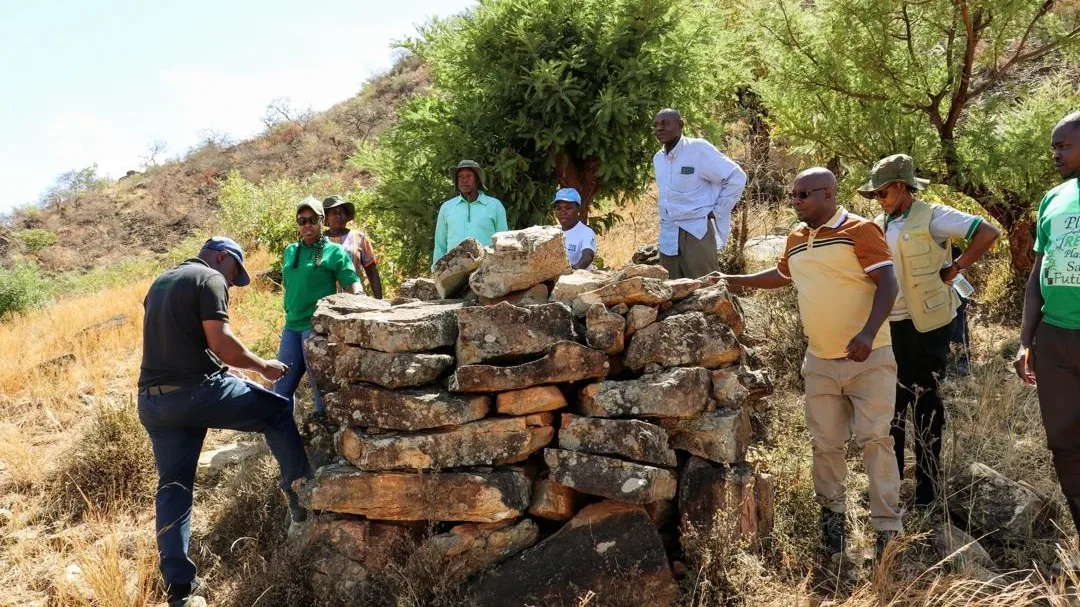
Kaabong Forest Management Plan Reviewed Ahead of 2026 Expiry
24 Sep 2026
SUNReC Boosts Natural Resource Restoration and Refugee - Host Co-existence in West Nile
17 Sep 2026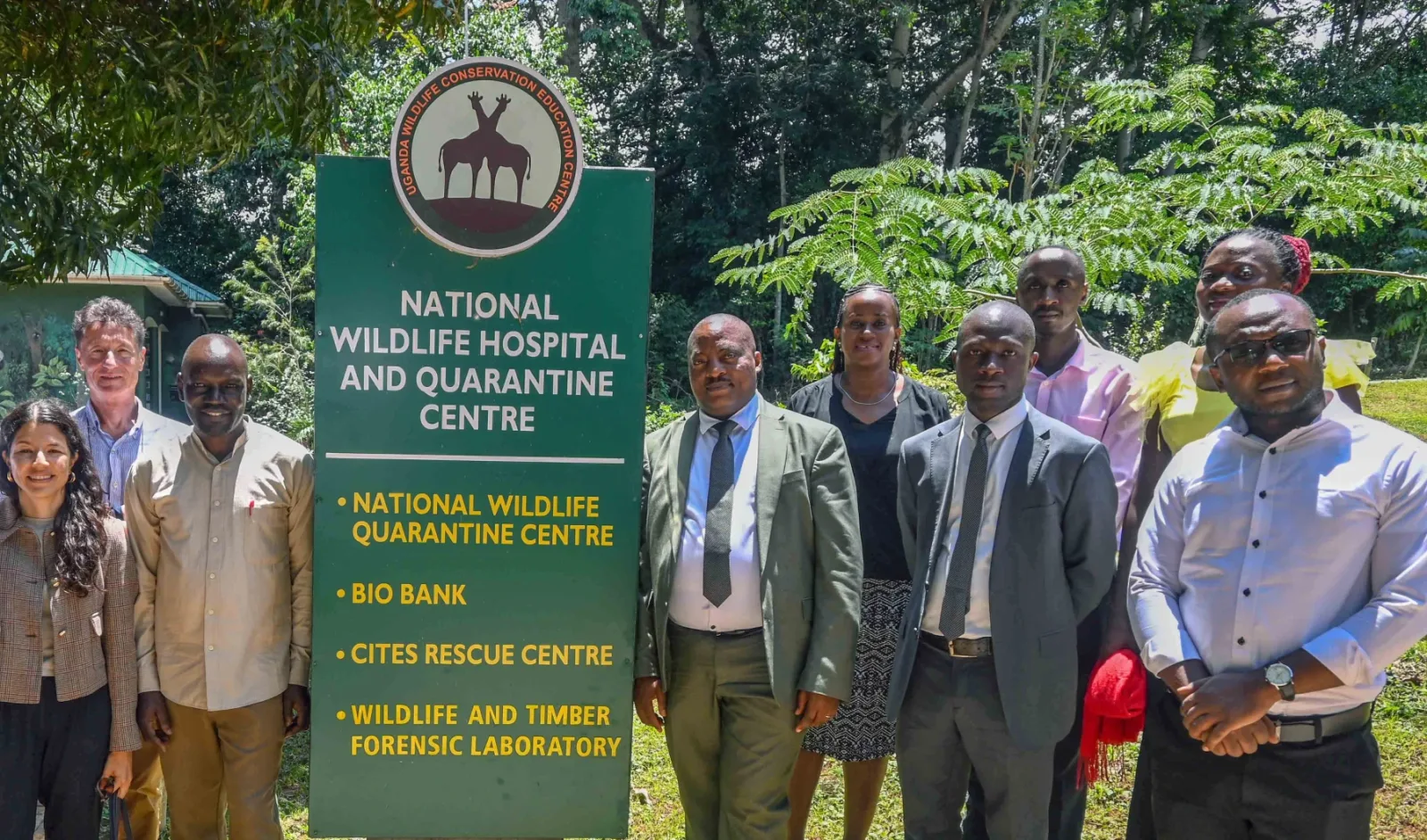
Forestry Partners Strengthen Fight Against Forest Crime in Uganda
16 Sep 2026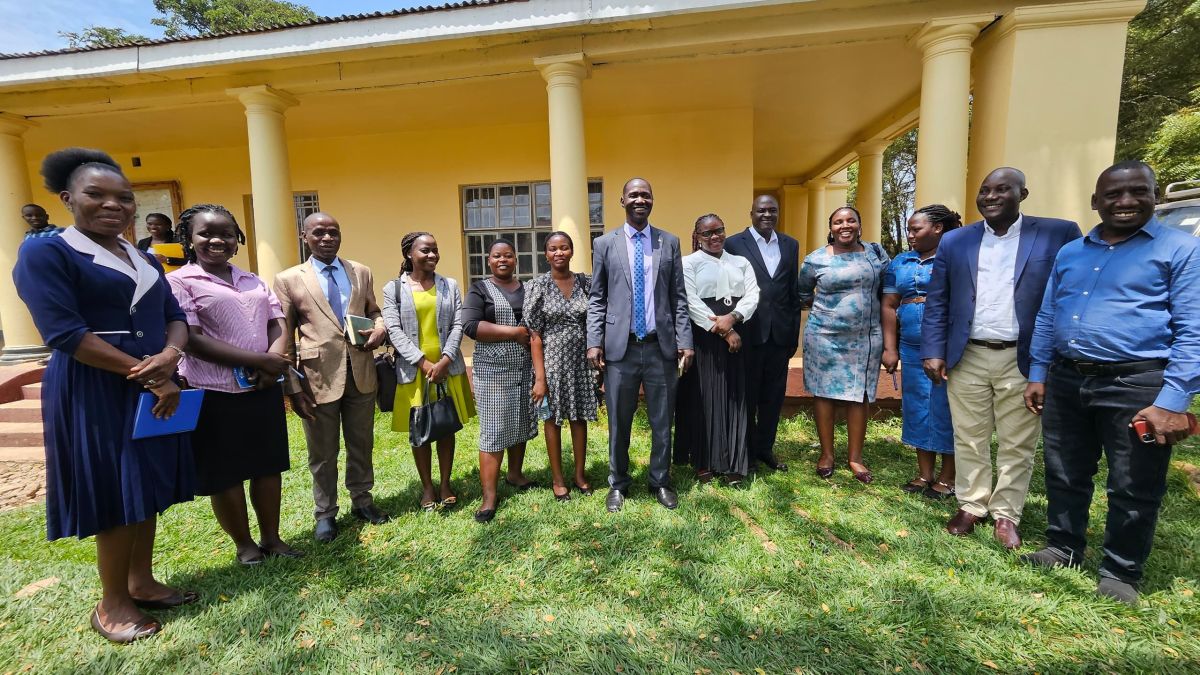
Jinja District and Ministry of Water and Environment Join Forces to Reopen Namavundu Forest and Ignite a New Era of Ecological Revival
19 Aug 2026Frequently asked questions
Forest reserves, tree planting, permits and harvesting.
What is the National Forestry Authority (NFA)?
The National Forestry Authority (NFA) was a government agency established under the National Forestry and Tree Planting Act (NFTPA) of 2003. Its mandate was to manage Uganda’s Central Forest Reserves (CFRs) - forests owned by the central government - on behalf of the government and the people of Uganda.
Following Government’s rationalisation of agencies, the NFA’s functions are now carried out by the Forestry Department under the Ministry of Water and Environment. The Central Forest Reserves continue to be managed, and the services previously provided by the NFA continue to be available, through the Department.
What does the Forestry Department do, and what happened to the NFA’s mandate?
The core mandate - managing Central Forest Reserves and supplying quality forestry products and services to the public and private sectors - continues under the Forestry Department.
Section 54 of the National Forestry and Tree Planting Act, 2003 set out the specific functions of the National Forestry Authority. Following rationalisation, these functions are discharged by the Forestry Department within the Ministry of Water and Environment.
Does the Forestry Department charge for the technical services it provides?
Yes, the Forestry Department charges for technical advisory services. While basic advice is offered free of charge to farmers within CFRs, more detailed services - such as creating management plans, establishing nurseries, conducting silvicultural operations, and providing financial analysis and projections - are available for a reasonable fee. These services are managed by the Private Forestry Promotion Unit, which supports the Forestry Department’s mandate of supplying high-quality forestry products and services to both the public and private sectors.
How are responsibilities for forests divided between the Forestry Department, District Forestry Services, and local governments?
Under the National Forestry and Tree Planting Act of 2003, responsibility for managing Central Forest Reserves rested with the National Forestry Authority. Following rationalisation, these functions are carried out by the Forestry Department within the Ministry of Water and Environment.
District Forestry Services are responsible for managing local government forests, community forests, and forests on private land within their respective jurisdictions. The Forestry Inspection Division, now known as the Forestry Management Department (FMD), provides support to both.
What assistance does the Forestry Department provide to District Local Governments to protect CFRs?
While the Forestry Department is responsible for managing CFRs, it can assist local governments in managing Local Forest Reserves (LFRs) through a fee-based arrangement. This assistance can include services such as mapping, seedling provision, and technical support.
How many CFRs are there in Uganda, and where are they located ?
There are currently 506 CFRs in Uganda, located across various regions of the country. These reserves account for approximately 15% of Uganda’s total forest cover, with the remaining 85% owned by local governments, private individuals, and institutions.
Why were Forest Reserves created in Uganda?
Forest Reserves serve several important purposes, including water catchment protection, preserving biodiversity, and providing timber and non-timber forest products. Forests also help combat climate change by absorbing carbon dioxide and contribute to tourism, boosting national revenue.
How was the current size of Uganda’s forest cover determined ?
The forest reserves were established to represent a significant portion of the country’s landscape. During colonial times, the government negotiated with various kingdoms to designate parts of their land as forest reserves. For example, Buganda offered 8% of its land. This contributed to the present-day forest cover in Uganda.
What is the difference between a Forest Reserve and a Forest?
A Forest Reserve is a designated area of land, reserved by Act of Parliament, for developing forests or tree-growing activities. It can either be a forested area or an open land designated for future forest development.
A Forest is an area covered predominantly by trees, forming an ecosystem in balance with the surrounding environment.
Do forests help in combating global warming ?
Yes, forests play a crucial role in mitigating climate change by absorbing carbon dioxide as they grow. About half of the dry weight of wood is carbon, which is stored in the tree’s tissues. When forests are cut, the carbon stored in the trees is released, contributing to global warming.
Can open grasslands or shrub areas be called Forest Reserves?
Yes, some areas of land within CFRs may be grasslands or woodlands. These are often designated for environmental protection, water catchment, or biodiversity conservation, and may also be used for non-timber forest products and services such as ecotourism. Not all CFRs are densely forested, and some may be in the process of reforestation.
What is the Forestry Department doing to restore riverbanks and lakeshores within CFRs?
The the Forestry Department is working to demarcate riverbanks as required by environmental statutes. For lakeshores, a 200-meter strip of natural vegetation is left intact. Where vegetation has been removed, indigenous species are being replanted. For larger rivers, a 100-meter buffer zone is maintained, and for smaller ones, a 50-meter zone is recommended.
Can I be allocated more land in a CFR if it’s available?
Yes, additional land can be allocated if available, and the applicant has demonstrated progress in tree planting. However, if there are many qualified applicants, the allocation process is competitive and fair.
Can I plant trees starting at the boundary of a CFR if I am a neighbouring private investor?
This depends on the assessment by Forestry Department field staff. If you have a good track record of responsible land use and have not engaged in illegal activities (such as grazing or farming) in the CFR, you may be allowed to plant close to the boundary. However, if there are concerns about misuse of the land, the Forestry Department may suggest an alternative location.
What happens to individuals or companies caught depleting forests?
The National Forestry and Tree Planting Act No. 8, 2003, prohibits activities on land reserved as Central Forest Reserves (CFRs) without authorization. If prohibited activities, such as illegal pit sawing or charcoal burning, are detected, the timber or charcoal is impounded, and other legal actions are taken. These measures include fining the owners of vehicles or vessels caught transporting illegal forest produce, as well as prosecuting individuals in court. Illegal settlers on forest land are evicted and may also face legal action.
What should a private planter do if a trespasser, such as a cattle-grazer or cultivator, destroys trees on land allocated to them within a CFR?
The Tree Planting License grants you the authority to prevent such activities. Section 32 of the National Forestry and Tree Planting Act requires that all activities in a CFR must be licensed and comply with the Forest Management Plan. Any unauthorized activities, including grazing or crop cultivation, are illegal. Offenders should be prosecuted, and in volatile situations, the Forestry Department’s field staff and law enforcement can assist. Allowing illegal activities on your plot may lead to the cancellation of your license. It is important to protect your land from encroachers. Fencing off forest land can be permitted in exceptional circumstances with prior approval from the Forestry Department.
Why doesn’t the Forestry Department allow people to plant crops in CFRs as a means of addressing poverty?
Proper land-use planning and conservation practices dictate that CFRs should not be used for purposes other than conservation or non-destructive ventures like tourism and beekeeping. Forest land is typically not fertile for crops, as most nutrients are absorbed by the trees. Moreover, trees have long-term environmental benefits, such as mitigating climate change, that crops cannot replicate.
Why doesn’t the Forestry Department fence CFRs to prevent encroachers and illegal forest product dealers?
CFRs are held in trust for the people of Uganda by the government through the Forestry Department. They are public resources meant to be accessible to all Ugandans. The National Forestry and Tree Planting Act (Section 5, 2003) empowers individuals and organizations to take legal action against those whose actions threaten the forests. Protection of CFRs is a collective responsibility, and fencing alone would not effectively prevent encroachment. The the Forestry Department employs other, more efficient means of forest protection, considering both the costs of fencing and its limited ability to stop illegal activities entirely.
What happened to the National Forestry Authority (NFA)?
Following Government’s rationalisation of agencies, the National Forestry Authority’s functions have been brought under the Forestry Department in the Ministry of Water and Environment. Services previously obtained from the NFA - including tree seeds and seedlings, technical advisory services, licences and permits for Central Forest Reserves - are now handled by the Department. Information and documents previously published on the NFA website are available on this site.
Why should I plant trees if they take so long to mature?
While trees take time to mature (some species up to 20 years), they are still a valuable investment for the following reasons:
Planting trees contributes to environmental sustainability and is personally fulfilling, much like owning livestock.
Trees offer high returns on investment (over 14% in Uganda).
They provide social security benefits, such as supporting education or retirement needs.
Once established, they require minimal investment but yield high returns.
What distance should I plant trees from the boundary of my land?
It is recommended to plant trees a distance equal to the mature height of the species being planted, ensuring that even during harvesting, the trees fall within your own land.
Can I transfer my tree-planting license or land allocation if I fail to plant on it?
Transferring land allocated for tree planting is not allowed. However, you may cancel your license and transfer your planted trees to another party, provided the new party agrees to the same conditions.
What is the Forestry Department doing to promote tree planting and combat global warming?
The the Forestry Department is working to prevent encroachment and degradation in CFRs. It is also encouraging private investment in afforestation by offering land at minimal fees and promoting tree planting nationwide. the Forestry Department provides quality tree seeds and seedlings at affordable prices and offers technical support for nursery and plantation management.
Why does the Forestry Department require a permit fee for harvesting trees on private land?
The permit fee acts as a regulatory mechanism to prevent individuals from under-pricing their competitors in the market. If the harvested timber is for personal use, no fee is necessary.
Do I need permission from the Forestry Department to cut a tree on my land?
Unless specified by the Minister, any tree that is not located in a CFR is regulated by the District Forest Officer (DFO) or another person authorized by the Minister. In the case of the Forestry Department, its Law Enforcement Unit is responsible. On request, the Forestry Department also offers advisory services to private tree-planters on sustainable forestry practices. However, permission is not typically required before cutting trees, unless specified otherwise.
Why am I not allowed to use a chainsaw when harvesting my trees, even though the NFTPA No. 8/2003 does not specifically address chainsaw use?
In 2004, the Minister responsible for Water, Lands and Environment issued a statutory instrument declaring chainsaw use as contraband. This decision was widely publicized in the press, and it remains the legal basis for enforcement interventions today. The details of this instrument are available on request.
Some people are allowed to convert timber using chainsaws by the same Minister who declared chainsawn timber contraband. Should everyone seek the Minister’s clearance before using a chainsaw?
Yes, only the Minister for Water and Environment has the exclusive discretion to grant permission for chainsaw use. Any individual seeking clearance must provide valid reasons for their request.
I had illegal (pit-sawn) timber impounded and paid a fine. Can I still buy it?
Yes, you can purchase the timber by participating in an auction when it is held.
How many seedlings should be planted per hectare?
Timber:
Pine: 1,100 seedlings (spacing of 3×3 meters)
Eucalyptus: 1,100 seedlings (spacing of 3×3 meters)
Musizi: 625 seedlings
Poles (Eucalyptus): 1,600 seedlings (spacing of 2.5×2.5 meters).
How many seedlings can be raised from one kilogram of seed?
Maesopsis: 900 seedlings
Eucalyptus: 100,000 seedlings
Pine: 30,000 seedlings
What is the total cost of establishing one hectare of plantation?
The cost ranges from 1.7 million to 2.1 million UGX.
What is the total return on investment per hectare of plantation?
Poles (Eucalyptus): 1.5 million UGX
Timber (Eucalyptus): 23 million UGX
Timber (Pine): 19.5 million UGX
What is the rotation period for various plantation trees in Uganda?
Eucalyptus:
Construction Poles: 2-4 years
Transmission Poles: 11-13 years
Timber: 15 years
Pine Timber: 20 years