
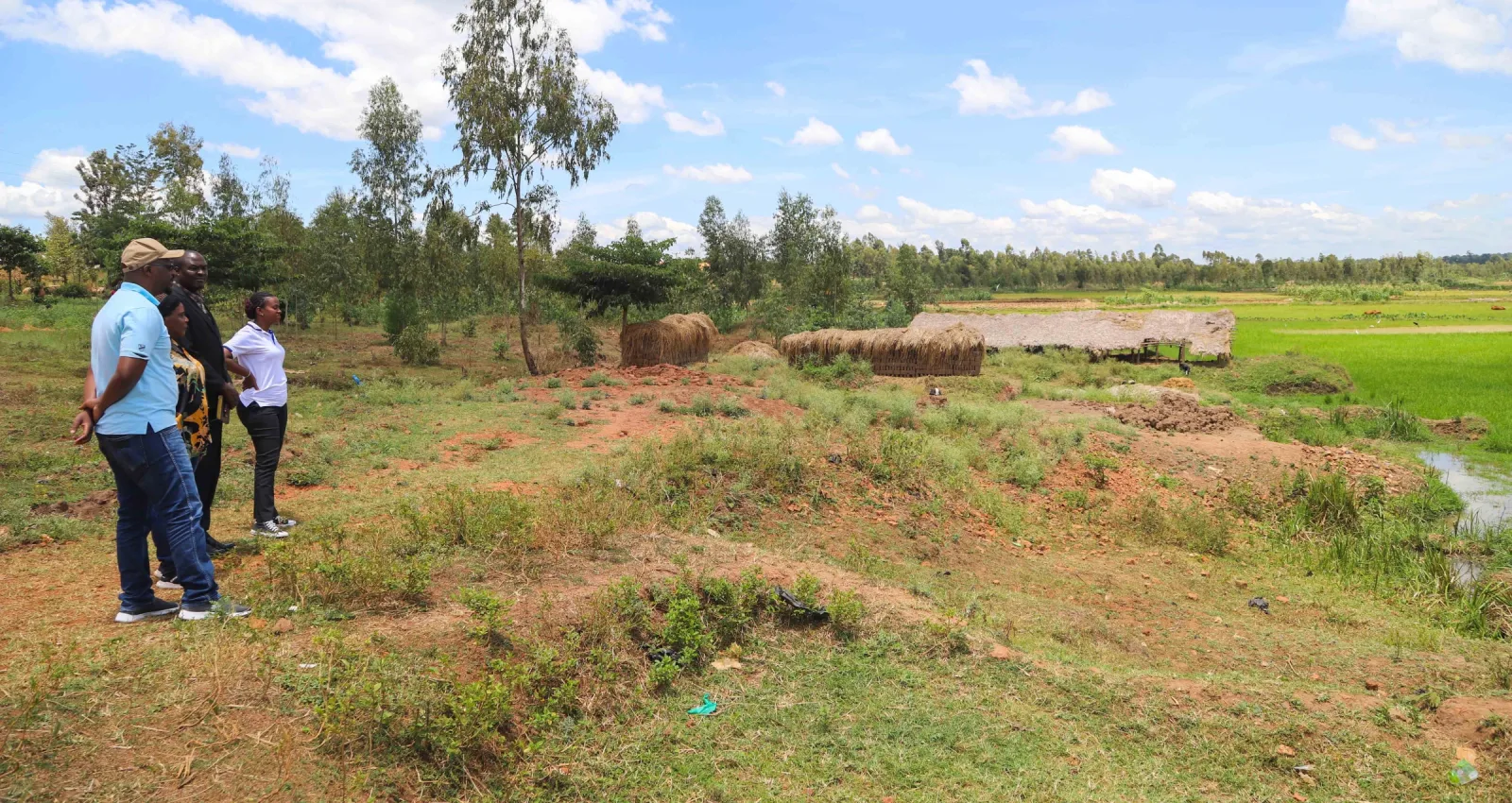
Community awareness, stakeholder engagement and clear forest boundaries take centre stage as Uganda prepares to restore degraded forest reserves and promote sustainable livelihoods.
Before a degraded forest can recover, the people who live around it must understand why it matters, what threatens its survival and how they can participate in protecting it.
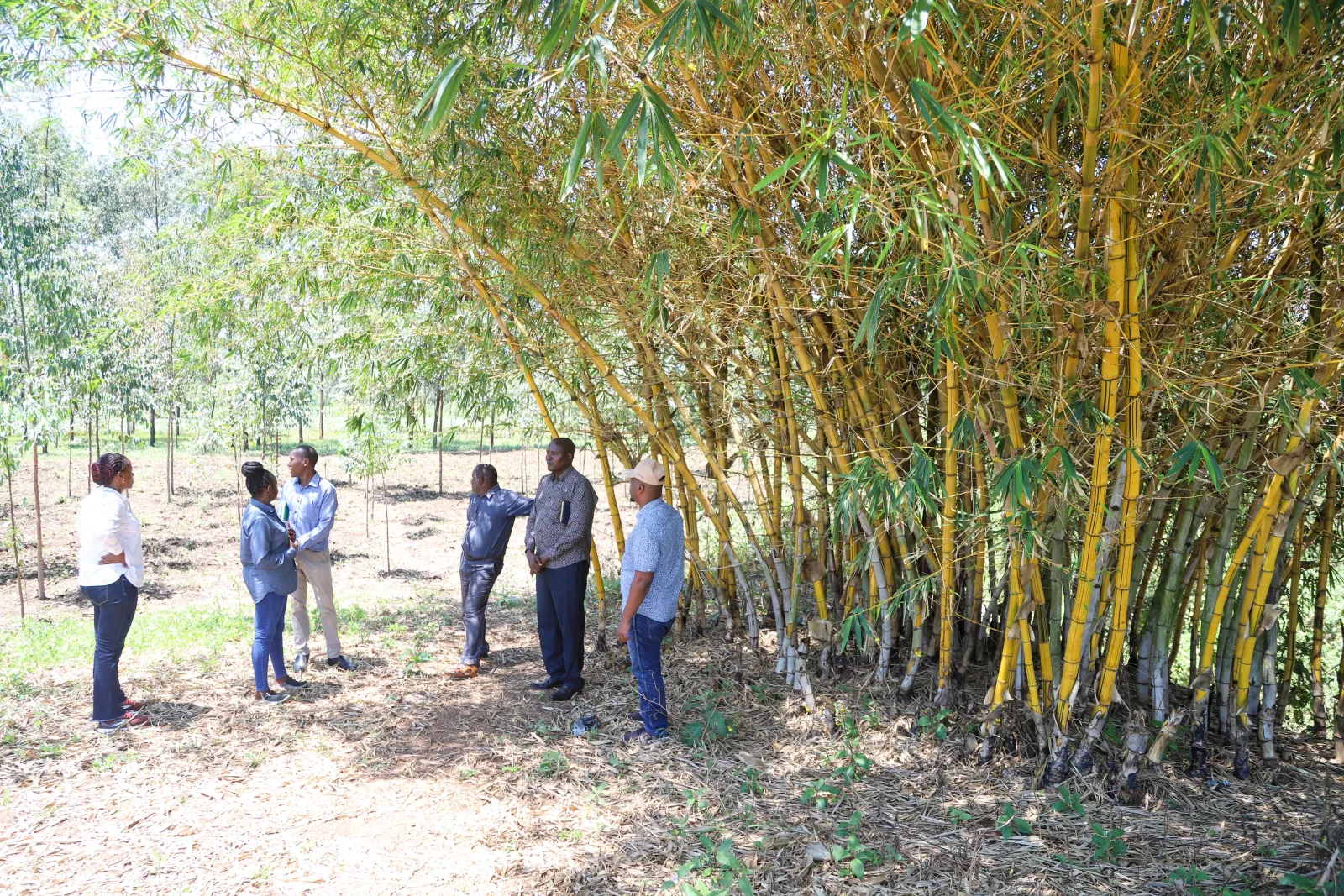
This is the message driving the pre-forest-restoration sensitization activities under Uganda’s five-year Partnering for Forests Development (P4F) Project, which seeks to build community ownership of forest conservation ahead of restoration interventions across Eastern Uganda.
The initiative, implemented by the Government of Uganda in partnership with the European Union (EU) and the Embassy of Denmark, is targeting 15 districts across the Busoga, Bugisu and Teso sub-regions from 2024 to 2029.
Through engagements with district leaders, natural resources officers, forest managers and local stakeholders, the project is laying the groundwork for restoration by promoting awareness, strengthening collaboration and addressing some of the underlying causes of forest degradation, including encroachment, unclear boundaries, illegal logging and limited livelihood opportunities.
“Forest restoration begins with awareness. Before we plant a tree, we must plant the understanding that protecting forests is a shared responsibility and an investment in our future.”
Sensitization: The foundation for successful forest restoration
Pre-restoration sensitization is a critical step in ensuring that forest restoration efforts deliver lasting results. It provides an opportunity for communities to understand the importance of forest reserves, the consequences of continued degradation and their responsibilities in safeguarding these vital ecosystems.
It also helps address misconceptions about forest boundaries, reduce conflicts between communities and forest authorities, and encourage local participation in conservation decisions.
Without adequate awareness and community involvement, restoration efforts risk being undermined by renewed encroachment, illegal harvesting, uncontrolled fires and other activities that prevent forests from regenerating.
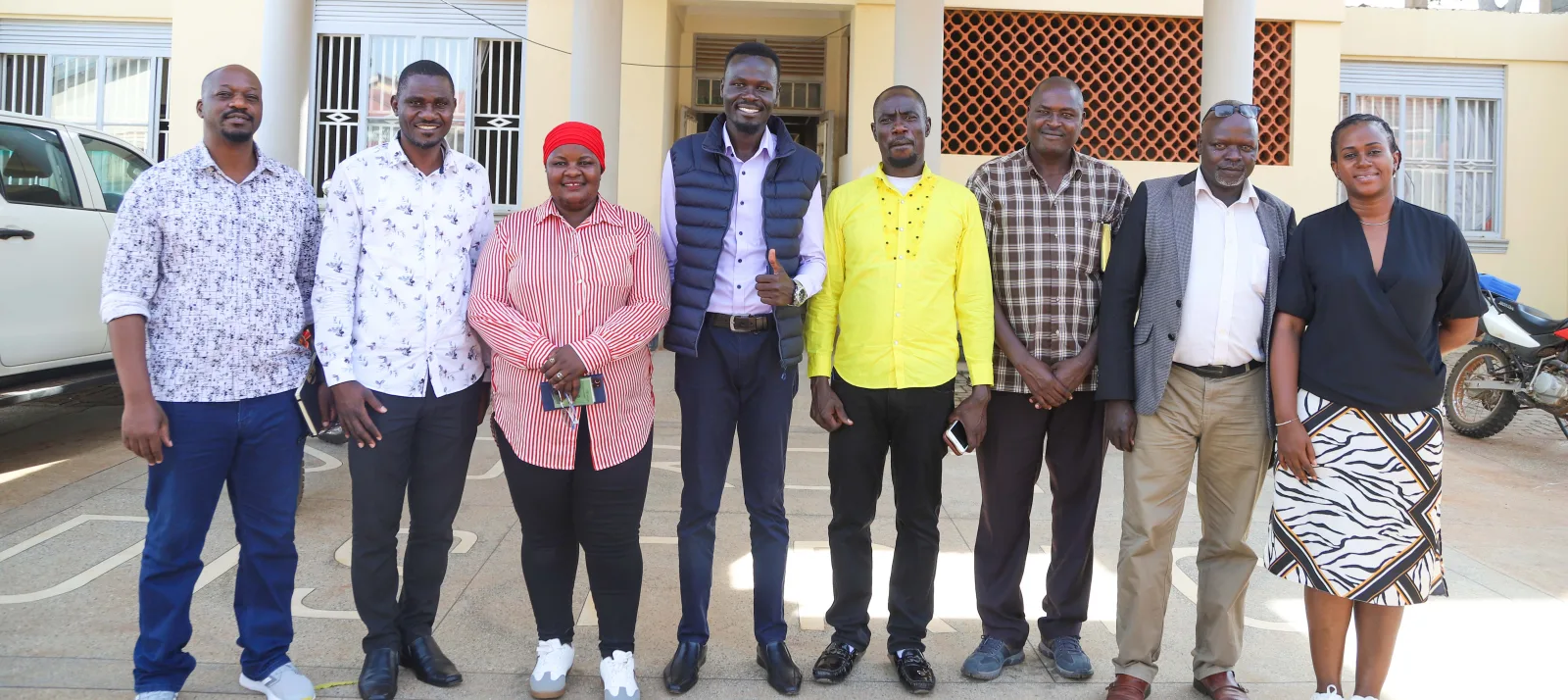
By engaging stakeholders before restoration begins, the P4F Project aims to build trust, promote voluntary compliance with forestry regulations and encourage communities to become active partners in managing and protecting forest resources.
“Restoration is not simply about putting trees back into the ground; it is about changing attitudes, strengthening community ownership and creating the conditions for those trees to survive and thrive for generations,” is the central message underpinning the sensitization approach.
The project builds on a Memorandum of Understanding signed between Uganda and the European Union in November 2022 to strengthen policy dialogue and address climate resilience, biodiversity loss and economic development through sustainable forest management.
Building stakeholder understanding of the project
During engagements with local leaders and Natural Forest Officers from Jinja, Kamuli and Kaliro districts, George Kaija, Technical Support Officer at the Ministry of Water and Environment (MWE), outlined the project’s technical framework, governance arrangements and long-term objectives.
Kaija emphasized that forests must be managed as productive natural assets that contribute to inclusive national development while safeguarding biodiversity and strengthening resilience to climate change.
“The first aim is to enhance the role of forests in sustainable and inclusive national development. We want to see that forests are actually contributing to national development, not just having them for the sake of having them. The second is to address the challenges of deforestation, forest degradation, climate change, as well as loss of biodiversity,” Kaija said.
The sensitization engagements are intended to help stakeholders appreciate the connection between healthy forests and everyday community needs, including reliable water supplies, soil protection, climate regulation, biodiversity conservation and income generation.
The P4F Project targets the restoration of 1,660 hectares of degraded natural forests across Central Forest Reserves (CFRs) and Local Forest Reserves (LFRs), the surveying and demarcation of 275 kilometres of forest boundary cutlines, and the creation of 1,500 rural green jobs.
Achieving these targets will require more than technical interventions. It will also depend on community cooperation, respect for legally established boundaries and sustained protection of restored areas.
Forest boundaries: A shared responsibility
One of the major issues emerging from the stakeholder engagements is the need to clarify and visibly mark forest reserve boundaries before restoration activities take place.
Unclear boundaries can fuel land disputes, encroachment and conflict between communities and forestry authorities. Boundary reopening and demarcation therefore form an important part of preparing reserves for restoration and improving forest governance.
Michael Kusuro, Senior Forest Officer for the Kyoga Range Region, said the project would support the restoration of degraded forest reserves and the reopening of boundaries in both central and local forest reserves.
“The major objectives are to support the restoration of degraded forest reserves and boundary reopening for central and local forest reserves,” Kusuro explained.
Accompanied by Catherine Atukwase, Forest Officer; Olivia, Assistant Forest Officer; and Zakia Namususwa, Jinja District Natural Resources Officer, Kusuro led a Ministry of Water and Environment team on field visits to selected reserves to assess conditions and engage local stakeholders.
In Jinja District, the team visited Nsuube Central Forest Reserve, covering 853 hectares; Kagoma Central Forest Reserve, covering 278 hectares; Busegula Local Forest Reserve, covering 47 hectares; and Ngereka Central Forest Reserve, covering 1,207 hectares.
The team subsequently visited Namasagali and Kidiki forest reserves in Kamuli District, as well as Namalemba and Namukoge Central Forest Reserves in Kaliro District.
These engagements provided an opportunity to discuss restoration priorities, boundary challenges and the importance of involving communities in protecting forest reserves.
Edward Kategere, Senior Assistant Chief Administrative Officer for Kaliro District, highlighted the persistent challenge of shifting boundaries and encroachment.
“We've had so many challenges... People keep on shifting the boundaries. Within this project, I really request that having the rightful boundaries well-marked be considered as one of the critical issues so that we know our national and district forest boundaries,” Kategere said.
Robert Isabirye, Kamuli District Natural Resources Officer, also emphasized the need for clear boundaries and practical measures to prevent illegal activities.
“The major issue is boundary opening... The whole forest in some reserves has been allocated or encroached on. Reopening the boundaries with concrete pillars, life markers, or trenches is vital so communities know the limits and stop illegal activities,” Isabirye noted.
These concerns reinforce the importance of sensitizing communities about forest reserve boundaries, the legal status of protected areas and the consequences of encroachment before restoration work begins.
“A boundary that is clearly understood is easier to respect. When communities know where a forest begins, why it must be protected and what benefits it provides, conservation becomes a shared commitment rather than a source of conflict.”
Demonstrating the benefits of forest restoration
An important objective of pre-restoration sensitization is to help communities recognize that forests are not merely protected areas from which people are excluded. They are essential natural assets that support livelihoods, environmental health and economic development.
Restoring degraded forests can help improve water catchment protection, reduce soil erosion, support biodiversity, store carbon and strengthen resilience to climate change. Healthy forests also provide opportunities for sustainable enterprises based on forest products and nature-based tourism.
By communicating these benefits before restoration begins, the project seeks to encourage communities to protect existing trees, support the regeneration of indigenous species and avoid activities that could undermine restoration investments.
Sensitization will also help communities understand that restoration is a long-term process. Newly planted trees and naturally regenerating forests require continued protection from fires, illegal harvesting, livestock damage and encroachment.
The planned restoration of forest boundaries using indigenous tree species is expected to contribute to ecological recovery while reinforcing the visibility and identity of forest reserve boundaries.
For local leaders and forestry officers, the challenge is therefore to ensure that conservation messages translate into practical action, including community monitoring, responsible resource use and participation in forest management.
Linking conservation to livelihoods
The P4F Project recognizes that sustainable forest protection must address the economic realities facing communities living near forest reserves.
Where households depend heavily on forests for survival, sensitization must go beyond explaining restrictions. It must also demonstrate how people can benefit from conserving forests and accessing alternative sources of income.
Aldon Walukamba, P4F Programme Outreach Officer, said local communities are central to the project's success, particularly because poverty can increase pressure on forest resources.
“The overall beneficiaries are the local communities who are often forced into encroachment by poverty. We hope that among the 1,500 jobs, local youth can take up opportunities in apiculture, wood, and non-wood value chains. We envision promoting ecotourism training local youth as guides so visitors can experience integrated packages combining cultural sites and forest ecotourism,” Walukamba said.
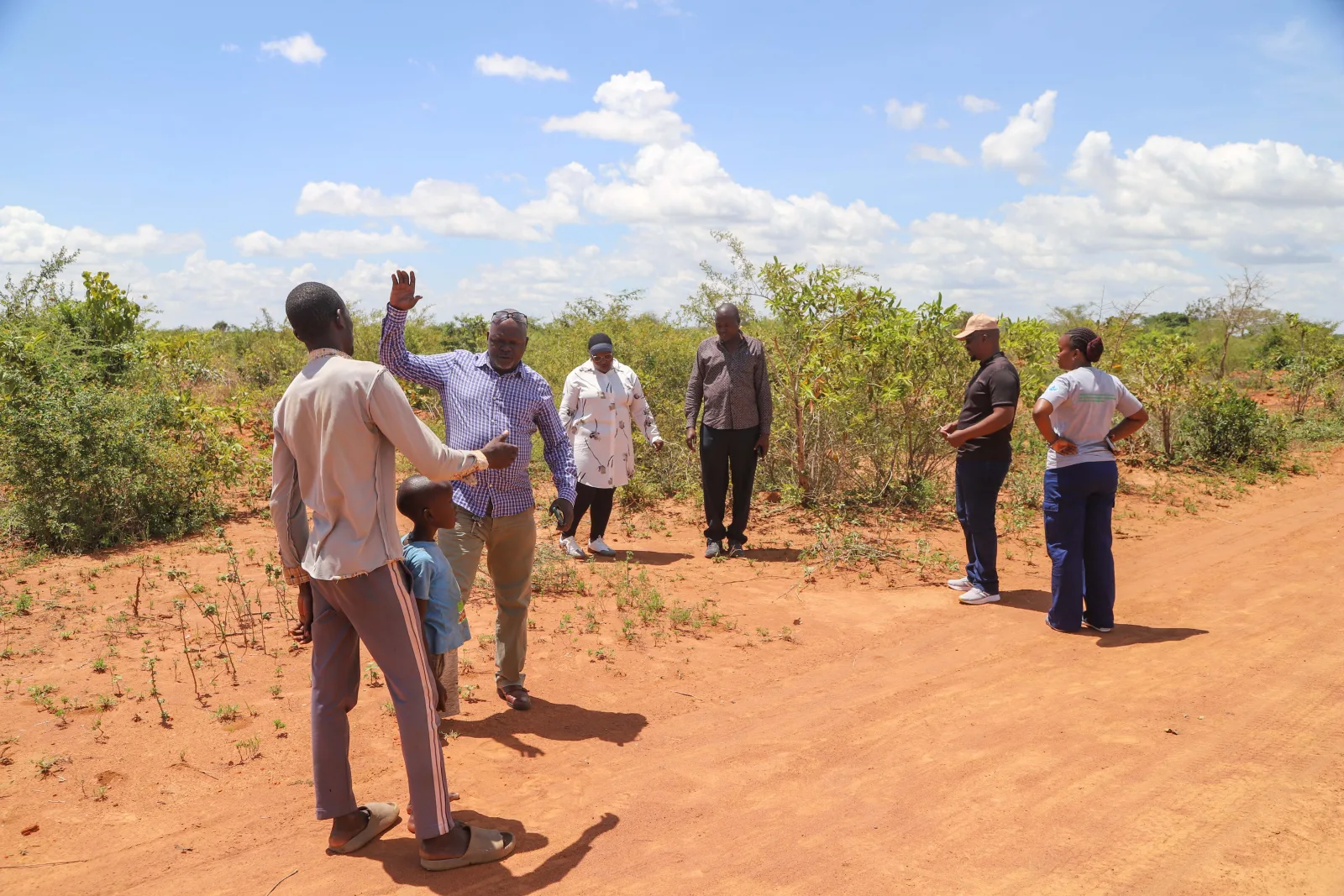
The project will promote nature-based livelihoods, including beekeeping, sustainable wood and non-wood forest-product value chains, agroforestry and ecotourism.
These opportunities are intended to help communities diversify their incomes, reduce unsustainable dependence on natural forests and participate directly in the benefits of conservation.
Pre-restoration sensitization will be important in explaining these opportunities, identifying local priorities and encouraging community members, particularly young people, to take part in emerging green enterprises.
“Communities should not see forest conservation only as a restriction on what they can do. They should also see it as an opportunity to create jobs, grow businesses, protect their environment and build a more secure future for their families.”
A coordinated approach to community engagement
The P4F Project brings together six implementing entities, each contributing to different aspects of sustainable forestry management.
The Ministry of Water and Environment coordinates the programme, with responsibilities spanning social inclusion, governance, boundary demarcation and the establishment of Collaborative Forest Management arrangements in 20 reserves.
The United Nations Office on Drugs and Crime (UNODC) supports training for law enforcement, police and judicial officers to strengthen responses to forest crime and illegal logging.
The Food and Agriculture Organization (FAO) supports the organization of commercial tree growers into business cooperatives and the improvement of forest-product processing value chains.
The Ministry of Trade, Industry and Cooperatives (MTIC) is responsible for deploying a national digital system to trace timber legality from harvesting sites to end markets.
The Italian Agency for Development Cooperation (AICS) supports land restoration through agroforestry and the promotion of non-wood forest products, while the Global Green Growth Institute (GGGI) works on sustainable financing mechanisms and enterprise funding for forestry small and medium-sized enterprises.
This multi-agency approach is expected to connect community awareness with stronger forest governance, improved market systems, restoration expertise and viable livelihood opportunities.
As part of its community engagement strategy, the Ministry of Water and Environment will conduct community-led sensitization campaigns, radio broadcasts and participatory meetings to encourage communities to understand, support and sustain the project's conservation objectives throughout its five-year implementation period and beyond.
Sustaining restoration beyond the project
The success of forest restoration will ultimately be measured not only by the number of hectares restored or kilometres of boundaries demarcated, but also by whether the restored forests remain protected long after project activities end.
That requires sustained public awareness, cooperation between communities and forestry authorities, respect for forest boundaries, enforcement of forestry laws and the development of livelihood opportunities that make conservation economically meaningful.
Through pre-restoration sensitization, the P4F Project is seeking to establish this foundation before restoration activities advance, helping communities understand their role in protecting natural resources that support present and future generations.
As Uganda confronts the interconnected challenges of deforestation, biodiversity loss and climate change, the message is clear: restoration must begin with people, be supported by practical opportunities and continue through collective responsibility.
“The trees we restore today will protect tomorrow's water, sustain future livelihoods and preserve biodiversity for generations to come. But their survival depends on the choices we make today. Forest restoration starts with awareness, grows through participation and succeeds when communities take ownership.”
-End-