Echuya Validated VMGP IFPA-CD_DEC 2025
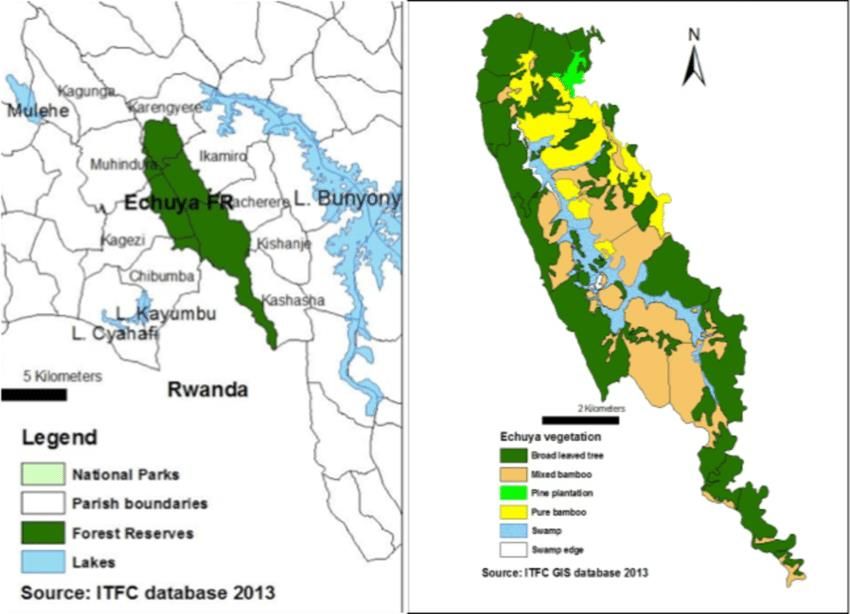
Vulnerable and Marginalized Groups Plan for the Batwa around Echuya Central Forest Reserve
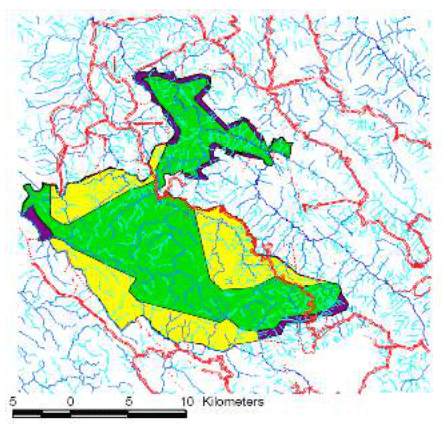
Vulnerable and Marginalized Groups Plan for the Batwa around the Bwindi Impenetrable National Park
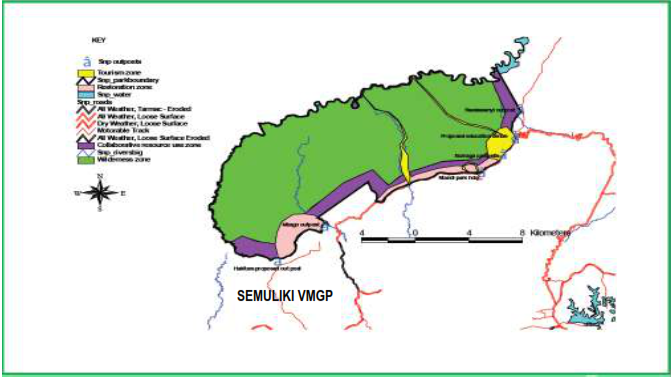
Vulnerable and Marginalized Groups Plan for the Batwa around Semuliki National Park
The Gender Action Plan (GAP) was developed at the start of project implementation to guide gender mainstreaming in project activities. It identified gender gaps from each project components, proposed actions to reduce the gaps, indicators and targets.
An Environmental and Social Management Framework (ESMF) outlines mechanisms for the screening of proposed project activities and identified potential environmental and social impacts and their subsequent management.
Draft Environmental and Social Management Framework (ESMF) JAN 2020 IFPA-CD
As per the World Bank ESF, concretely ESS5, the Government of Uganda is required to develop a Process Framework (PF) for this Project. A process framework is prepared when Bank-supported projects may cause restrictions in access to natural resources in legally designated protected areas. The purpose of the PF is to establish a process by which members of potentially affected communities participate in design of project components, determination of measures necessary to achieve the objectives of ESS5 and implementation and monitoring of relevant project activities
The Mid Term Review (MTR) evaluation was conducted to assess the progress made by the project towards achieving its objectives, identify challenges and opportunities, and make practical recommendations for the project to effectively deliver on its objectives and targets, including any adjustments in scope and implementation as may be deemed necessary. This report summarises the MTR’s main findings, conclusions and recommendations
The Labour Management Plan (LMP) was designed to guide project engagements with external stakeholders most especially employees and guides on how to engage with different types of workers such as direct workers include the PCU staff which are hired under contract to the project for the duration of the project implementation, contracted workers including firms, non-governmental organizations (NGOs) or community based organizations (CBOs) that will be contracted as Technical Service Providers (TSP) (total of 4 or more TSP contracts) and who will use existing staff already on the payroll, short-term consultants, community workers who will be employed under the project.
Summary – Vulnerable and Marginalized Groups Framework (VMGF) for Uganda – English Version (October 2020)
The GRM is an inclusive and participatory entity that is aimed at facilitating communication between conflicting parties, promoting dialogue, and facilitating a reasonable agreement between the parties to a grievance.
ENVIRONMENTAL AND SOCIAL COMMITMENT PLAN (ESCP)
The Project Development Objective is to to improve sustainable management of forests and protected areas and increase benefits to communities from forests in target landscapes.
An Environmental and Social Management Framework (ESMF) outlines mechanisms for the screening of proposed project activities and identified potential environmental and social impacts and their subsequent management.
The Government of Uganda (GoU) is implementing the “Investing in Forests and Protected Areas for Climate-Smart Development (IFPA-CD) Project”. The project is financed by the International Development Association (IDA) of the World Bank and GoU. The implementation of the project is led by the Ministry of Water and Environment (MWE), Uganda Wildlife Authority (UWA), and the National Forestry Authority (NFA).
The Stakeholder Engagement Plan (SEP) was prepared at the start of project implementation to guide stakeholder engagement and disclosed in 2021. The SEP defines programs for stakeholder engagement, describes commitments and process for stakeholder engagement and outlines ways in which IFPA-CD project implementation team communicates with stakeholders. It includes mechanisms by which people can raise concerns or make complaints and receive feedback on issues of IFPA-CD project implementation.
The Project Implementation Manual (PIM) provides the operational framework guiding the execution of the Integrated Forests and Protected Areas for Climate-Driven Development (IFPA-CD) Project in Uganda. It outlines institutional arrangements, implementation procedures, financial management, procurement, monitoring and evaluation, and safeguards compliance. The PIM translates the Project Appraisal Document and Financing Agreement into practical steps for executing entities, ensuring consistency, accountability, and efficiency in achieving project objectives related to forest conservation, climate resilience, and sustainable livelihoods.
Vulnerable and Marginalized Groups Plan (VMGP) for the Batwa around Semuliki National Park under the IFPA-CD Project.
The Government of Uganda (GoU) is implementing the “Investing in Forests and Protected Areas for Climate-Smart Development (IFPA-CD) Project”. The project is financed by the International Development Association (IDA) of the World Bank and GoU. The implementation of the project is led by the Ministry of Water and Environment (MWE), Uganda Wildlife Authority (UWA), and the National Forestry Authority (NFA).
The Government of Uganda (GoU) is implementing the “Investing in Forests and Protected Areas for Climate-Smart Development (IFPA-CD) Project”. The project is financed by the International Development Association (IDA) of the World Bank and GoU.