Kampala 10 Nov 2026. The Ministry of Water and Environment has rallied key stakeholders to prioritize the assessment, protection, and sustainable management of groundwater resources across the country, highlighting its vital role as a backbone for Uganda's water security.
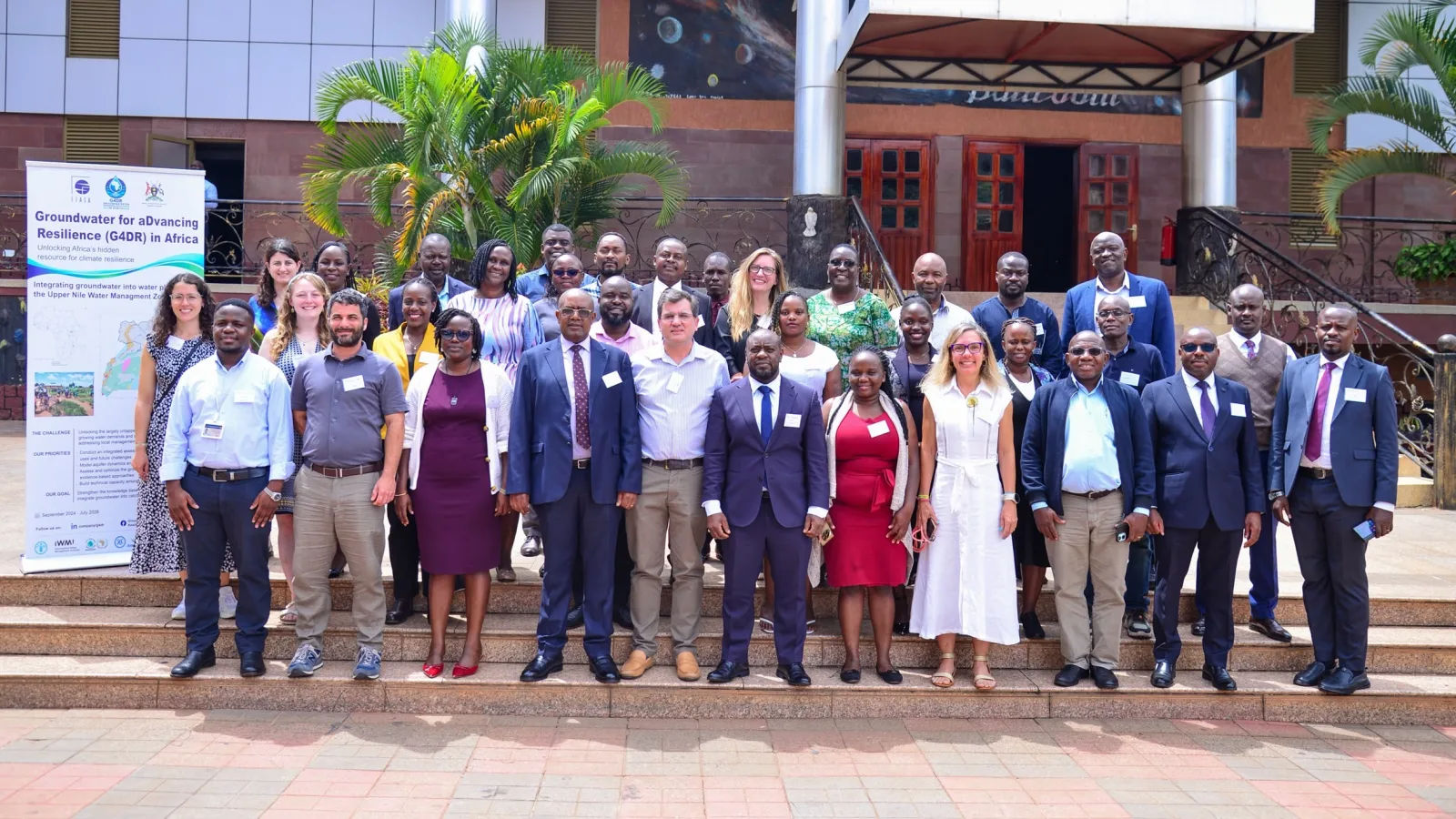
The call was delivered by Engineer Sowed Ssewagudde, the Commissioner for International Transboundary Water Affairs (ITWA), who represented the Permanent Secretary, Dr. Alfred Okot Okidi, during a high-level stakeholders’ workshop for the Groundwater for Advancing Resilience in Africa (G4DR) Project at the Silver Springs Hotel in Bugolobi, Kampala.
Addressing delegates from international partners, research institutions, local governments, and civil society, Dr. Okidi emphasized that while groundwater remains an unseen resource, its contribution to rural communities and urban growth is indispensable.
"Groundwater is a strategic natural resource and an essential component of Uganda’s water security. It supports domestic water supply, livestock production, irrigation, industry and other productive sectors," Dr. Okidi stated in his address. "In many rural communities, groundwater is the primary and sometimes the only reliable source of water for domestic use."
Pressures on the Upper Nile Basin
The workshop focused on validating preliminary diagnostic findings for the Upper Nile Water Management Zone (UNWMZ), a area experiencing intense environmental and demographic challenges. Dr. Okidi highlighted growing risks threatening water quality and access within the basin, including rapid population growth, urban expansion, refugee influxes, prolonged dry spells, and inadequate sanitation.
"These pressures remind us that although groundwater is often described as an invisible resource, its importance to our economy, livelihoods and resilience cannot be overlooked. We must therefore give it the necessary attention, investment and technical analysis it deserves," he emphasized.
Dr. Okidi noted that historically, surface water has received greater policy and planning focus than underground reserves, despite groundwater acting as a crucial shock absorber during droughts.
"Groundwater can provide a buffer during prolonged dry periods because of its capacity to store water and sustain supplies when surface water sources become unreliable," he said, warning that excessive extraction, poor recharge protection, and contamination threaten long-term security.
Translating Research into Policy
Funded by the Global Environment Facility (GEF) and implemented via the Food and Agriculture Organization (FAO), the G4DR project is executed alongside technical partners including the International Water Management Institute (IWMI) and the International Institute for Applied Systems Analysis (IIASA).
The initiative includes diagnostic assessments, groundwater modeling, and enhanced monitoring networks. However, Dr. Okidi cautioned that technical outputs must lead to actionable outcomes rather than remaining on paper.
"As a Ministry, our interest goes beyond producing technical reports, assessments and models. We must translate the knowledge and tools generated through this project into concrete actions that improve how we plan, develop, protect and manage groundwater resources for present and future generations," Dr. Okidi asserted.
He further noted that the methodologies and lessons gathered from the Upper Nile Zone will serve as a model across all of Uganda’s Water Management Zones, reinforcing national climate resilience.
"Groundwater management is a shared responsibility," Dr. Okidi concluded, officially declaring the workshop open. "We must build sustainable partnerships, strengthen institutional and technical capacity, mobilize adequate resources and ensure that groundwater is integrated into national and local development planning."