
Frequently Asked Questions
“”
Forests & Forest Reserves
The core mandate - managing Central Forest Reserves and supplying quality forestry products and services to the public and private sectors - continues under the Forestry Department.
Section 54 of the National Forestry and Tree Planting Act, 2003 set out the specific functions of the National Forestry Authority. Following rationalisation, these functions are discharged by the Forestry Department within the Ministry of Water and Environment.
Thanks — your feedback has been recorded.
The National Forestry Authority (NFA) was a government agency established under the National Forestry and Tree Planting Act (NFTPA) of 2003. Its mandate was to manage Uganda’s Central Forest Reserves (CFRs) - forests owned by the central government - on behalf of the government and the people of Uganda.
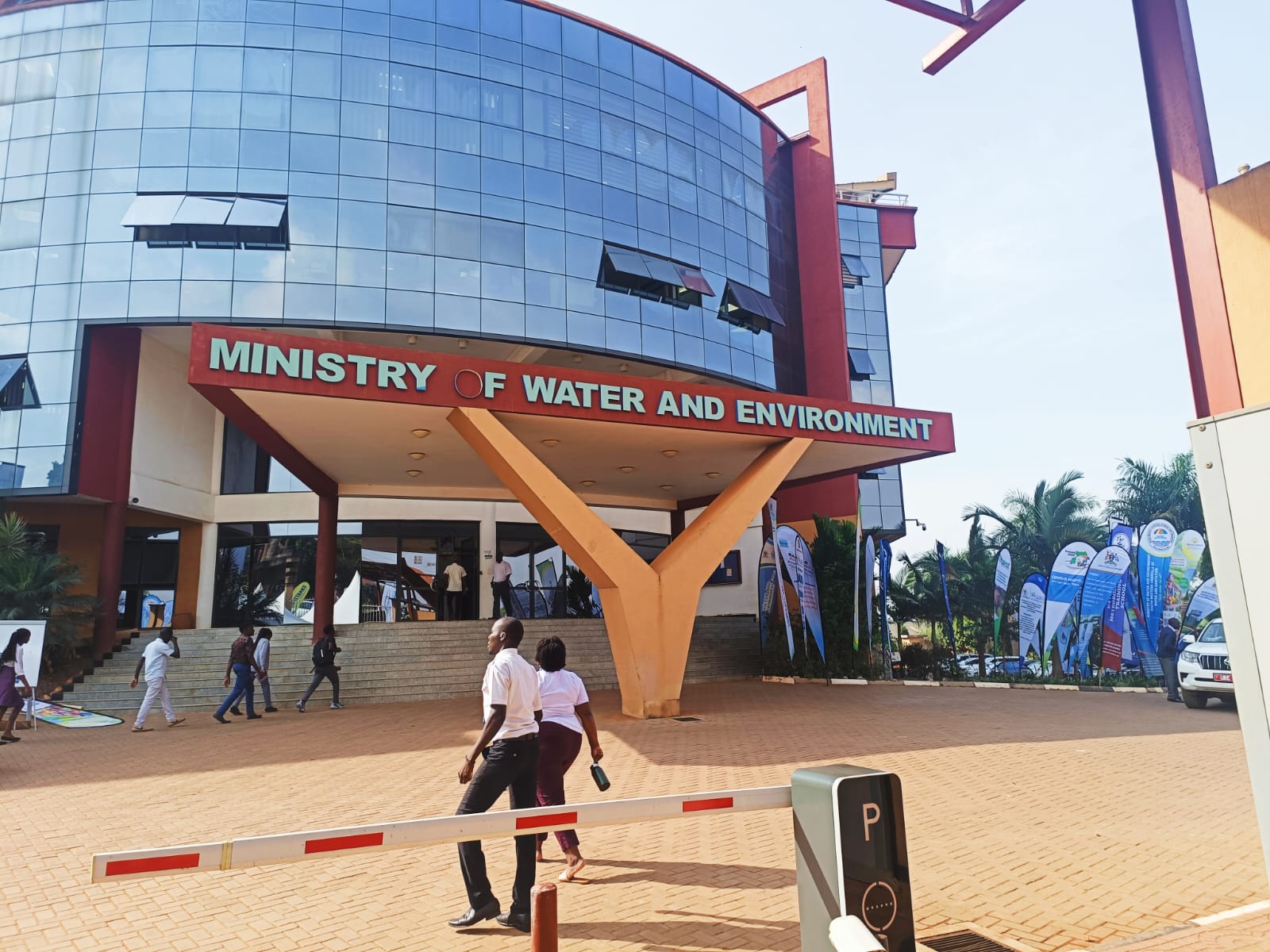
Following Government’s rationalisation of agencies, the NFA’s functions are now carried out by the Forestry Department under the Ministry of Water and Environment. The Central Forest Reserves continue to be managed, and the services previously provided by the NFA continue to be available, through the Department.
Thanks — your feedback has been recorded.
Yes, the Forestry Department charges for technical advisory services. While basic advice is offered free of charge to farmers within CFRs, more detailed services - such as creating management plans, establishing nurseries, conducting silvicultural operations, and providing financial analysis and projections - are available for a reasonable fee. These services are managed by the Private Forestry Promotion Unit, which supports the Forestry Department’s mandate of supplying high-quality forestry products and services to both the public and private sectors.
Thanks — your feedback has been recorded.
While the Forestry Department is responsible for managing CFRs, it can assist local governments in managing Local Forest Reserves (LFRs) through a fee-based arrangement. This assistance can include services such as mapping, seedling provision, and technical support.
Thanks — your feedback has been recorded.
The the Forestry Department is working to demarcate riverbanks as required by environmental statutes. For lakeshores, a 200-meter strip of natural vegetation is left intact. Where vegetation has been removed, indigenous species are being replanted. For larger rivers, a 100-meter buffer zone is maintained, and for smaller ones, a 50-meter zone is recommended.
Thanks — your feedback has been recorded.
Yes, additional land can be allocated if available, and the applicant has demonstrated progress in tree planting. However, if there are many qualified applicants, the allocation process is competitive and fair.
Thanks — your feedback has been recorded.
Under the National Forestry and Tree Planting Act of 2003, responsibility for managing Central Forest Reserves rested with the National Forestry Authority. Following rationalisation, these functions are carried out by the Forestry Department within the Ministry of Water and Environment.
District Forestry Services are responsible for managing local government forests, community forests, and forests on private land within their respective jurisdictions. The Forestry Inspection Division, now known as the Forestry Management Department (FMD), provides support to both.
Thanks — your feedback has been recorded.
Following Government’s rationalisation of agencies, the National Forestry Authority’s functions have been brought under the Forestry Department in the Ministry of Water and Environment. Services previously obtained from the NFA - including tree seeds and seedlings, technical advisory services, licences and permits for Central Forest Reserves - are now handled by the Department. Information and documents previously published on the NFA website are available on this site.
Thanks — your feedback has been recorded.
There are currently 506 CFRs in Uganda, located across various regions of the country. These reserves account for approximately 15% of Uganda’s total forest cover, with the remaining 85% owned by local governments, private individuals, and institutions.
Thanks — your feedback has been recorded.
Forest Reserves serve several important purposes, including water catchment protection, preserving biodiversity, and providing timber and non-timber forest products. Forests also help combat climate change by absorbing carbon dioxide and contribute to tourism, boosting national revenue.
Thanks — your feedback has been recorded.
The forest reserves were established to represent a significant portion of the country’s landscape. During colonial times, the government negotiated with various kingdoms to designate parts of their land as forest reserves. For example, Buganda offered 8% of its land. This contributed to the present-day forest cover in Uganda.
Thanks — your feedback has been recorded.
A Forest Reserve is a designated area of land, reserved by Act of Parliament, for developing forests or tree-growing activities. It can either be a forested area or an open land designated for future forest development.
A Forest is an area covered predominantly by trees, forming an ecosystem in balance with the surrounding environment.
Thanks — your feedback has been recorded.
Yes, forests play a crucial role in mitigating climate change by absorbing carbon dioxide as they grow. About half of the dry weight of wood is carbon, which is stored in the tree’s tissues. When forests are cut, the carbon stored in the trees is released, contributing to global warming.
Thanks — your feedback has been recorded.
Yes, some areas of land within CFRs may be grasslands or woodlands. These are often designated for environmental protection, water catchment, or biodiversity conservation, and may also be used for non-timber forest products and services such as ecotourism. Not all CFRs are densely forested, and some may be in the process of reforestation.
Thanks — your feedback has been recorded.
This depends on the assessment by Forestry Department field staff. If you have a good track record of responsible land use and have not engaged in illegal activities (such as grazing or farming) in the CFR, you may be allowed to plant close to the boundary. However, if there are concerns about misuse of the land, the Forestry Department may suggest an alternative location.
Thanks — your feedback has been recorded.
The National Forestry and Tree Planting Act No. 8, 2003, prohibits activities on land reserved as Central Forest Reserves (CFRs) without authorization. If prohibited activities, such as illegal pit sawing or charcoal burning, are detected, the timber or charcoal is impounded, and other legal actions are taken. These measures include fining the owners of vehicles or vessels caught transporting illegal forest produce, as well as prosecuting individuals in court. Illegal settlers on forest land are evicted and may also face legal action.
Thanks — your feedback has been recorded.
The Tree Planting License grants you the authority to prevent such activities. Section 32 of the National Forestry and Tree Planting Act requires that all activities in a CFR must be licensed and comply with the Forest Management Plan. Any unauthorized activities, including grazing or crop cultivation, are illegal. Offenders should be prosecuted, and in volatile situations, the Forestry Department’s field staff and law enforcement can assist. Allowing illegal activities on your plot may lead to the cancellation of your license. It is important to protect your land from encroachers. Fencing off forest land can be permitted in exceptional circumstances with prior approval from the Forestry Department.
Thanks — your feedback has been recorded.
Proper land-use planning and conservation practices dictate that CFRs should not be used for purposes other than conservation or non-destructive ventures like tourism and beekeeping. Forest land is typically not fertile for crops, as most nutrients are absorbed by the trees. Moreover, trees have long-term environmental benefits, such as mitigating climate change, that crops cannot replicate.
Thanks — your feedback has been recorded.
CFRs are held in trust for the people of Uganda by the government through the Forestry Department. They are public resources meant to be accessible to all Ugandans. The National Forestry and Tree Planting Act (Section 5, 2003) empowers individuals and organizations to take legal action against those whose actions threaten the forests. Protection of CFRs is a collective responsibility, and fencing alone would not effectively prevent encroachment. The the Forestry Department employs other, more efficient means of forest protection, considering both the costs of fencing and its limited ability to stop illegal activities entirely.
Thanks — your feedback has been recorded.
No questions match your search
Try a different word, or send us the question directly.
Didn’t find what you were looking for?
Send us your question and we will respond.