Water and Sanitation Development Facility- South Western
REGIONAL MANAGER
Eng. Kato Paul
DEPARTMENT
Urban Water Supply and Sewerage ServicesINTRODUCTION
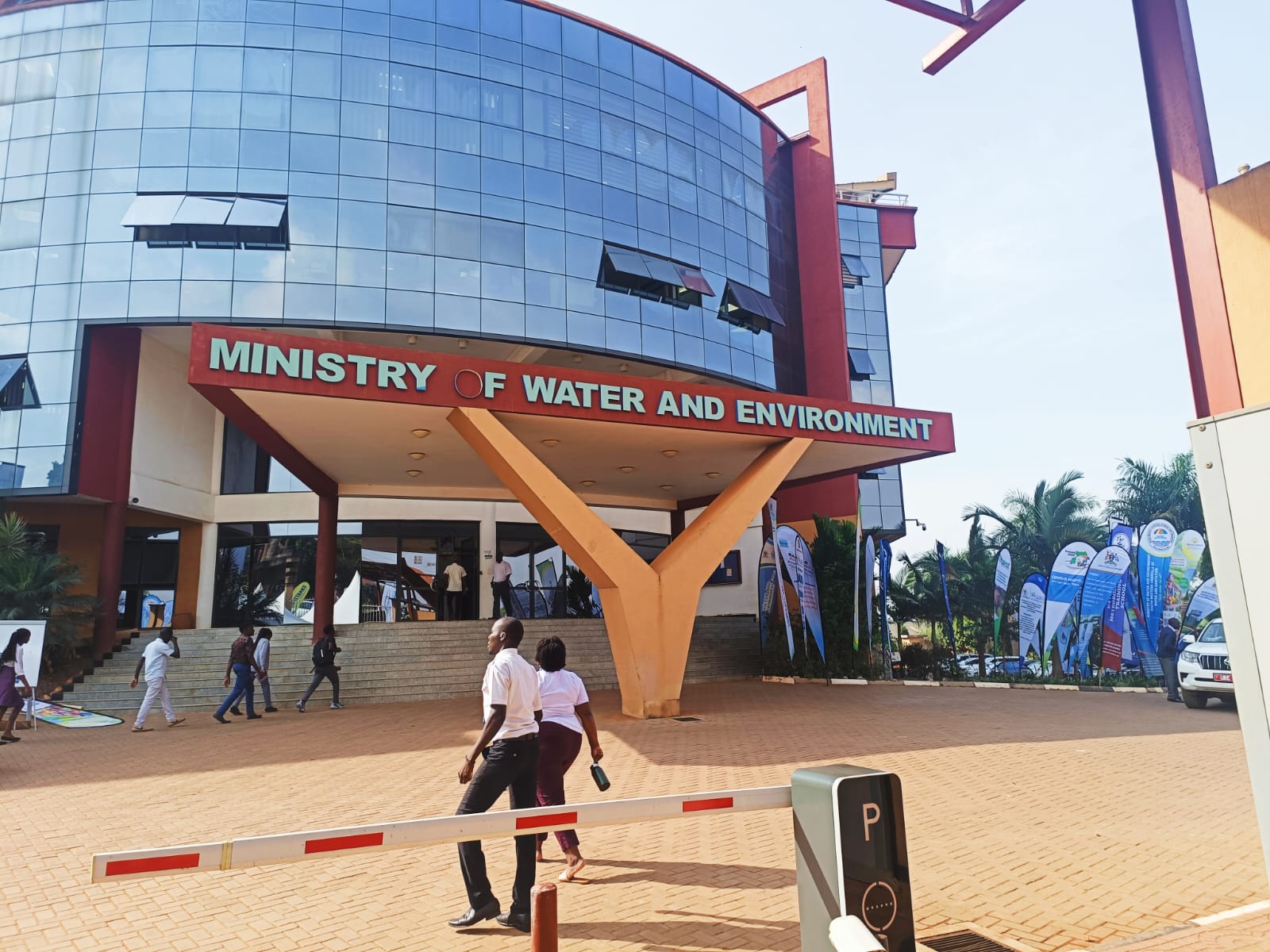
The Water and Sanitation Development Facility – South West (WSDF–SW) is a regional branch of the Ministry of Water and Environment (MWE) responsible for developing climate-smart piped water supply systems and sanitation facilities in Small Towns (STs) and Rural Growth Centres (RGCs) across the 31 districts of South-western Uganda. Established in 2006, WSDF–SW has grown into one of the most impactful entities driving access to clean and safe water, and improved urban sanitation in the South-western Uganda. Its intervetions include but not limited to planning, designing, constructing, and strengthening systems for long-term sustainability of water for domestic use and improved urban sanitation services.
WSDF–SW’s model emphasises community ownership, participation of local governments, gender inclusion, environmental sustainability, and capacity building. Through collaboration with development partners, local governments, and communities, WSDF–SW has successfully expanded water and sanitation infrastructure across 31 districts.
1. AREA OF OPERATION
WSDF–SW operates in 31 districts across five sub-regions: Central, Ankole, Kigezi, Tooro, and Rwenzori. The region includes the dray cattle corridor, mountainous terrain, and the hard-to-reach areas leading to the water-stress which requir tailored engineering solutions such as gravity-flow systems, solar pumping, and long transmission networks.
Central Sub-region
- Kyotera, Rakai, Ssembabule
Ankole Sub-region
- Buhweju, Bushenyi, Ibanda, Isingiro, Kazo, Kiruhura, Mbarara, Mitooma, Ntungamo, Rubirizi, Rwampara, Sheema
Kigezi Sub-region
Kabale, Kanungu, Kisoro, Rubanda, Rukiga, Rukungiri
Tooro Sub-region
Bunyangabu, Kabarole, Kamwenge, Kitagwenda, Kyegegwa, Kyenjojo
Rwenzori Sub-region
- Bundibugyo, Kasese, Ntoroko
2. WHAT WE DO
WSDF–SW implements comprehensive water and sanitation development services which include engineering design, construction, community engagement, and sustainability strengthening. The core areas include:
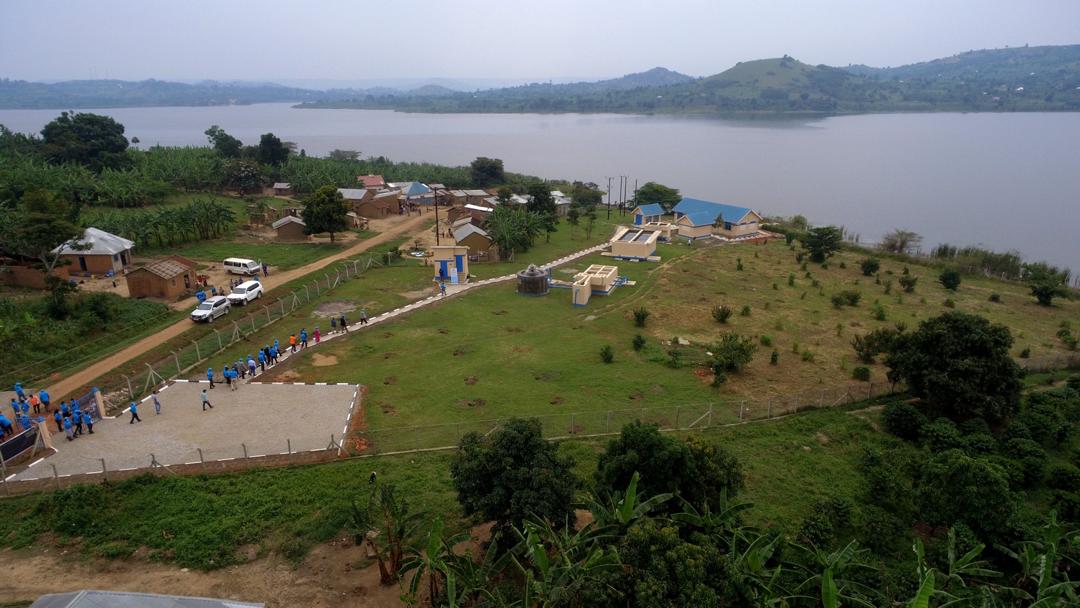
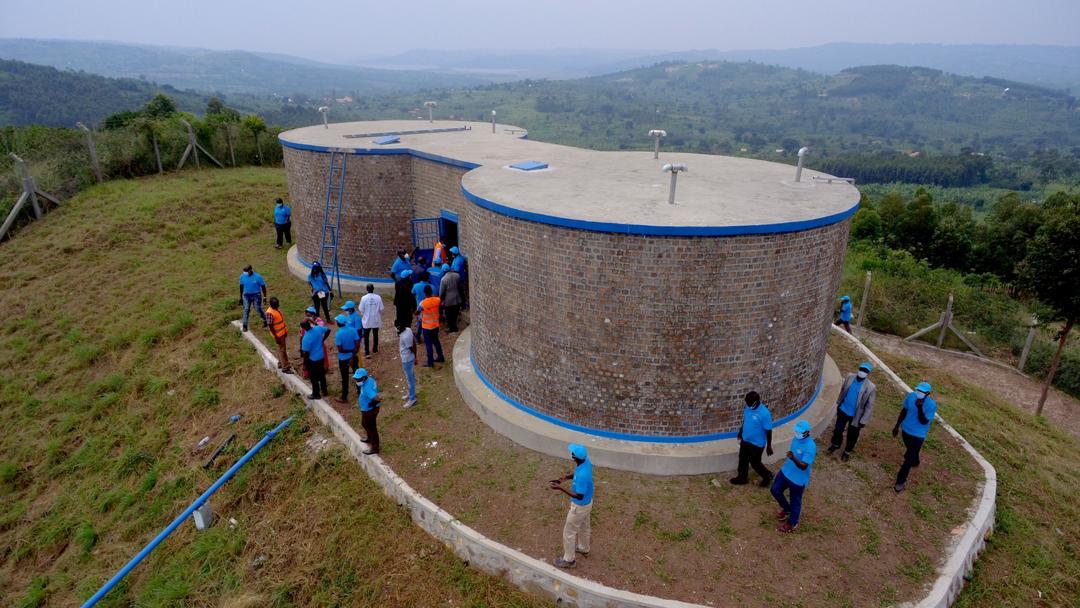
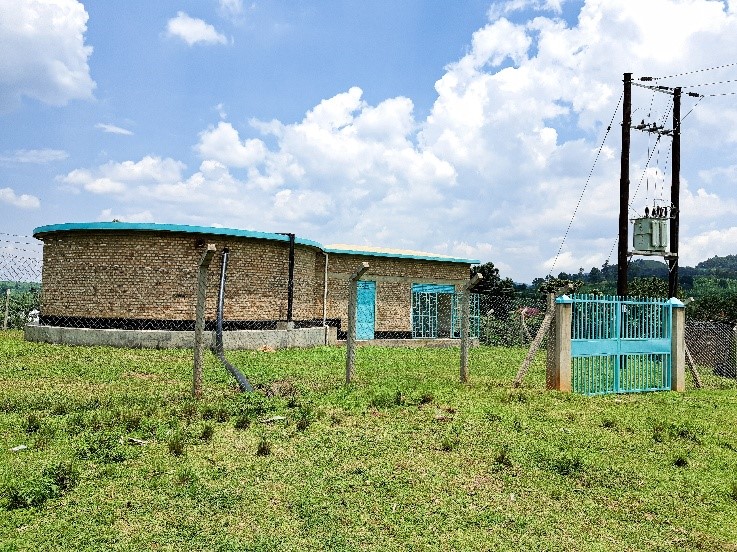
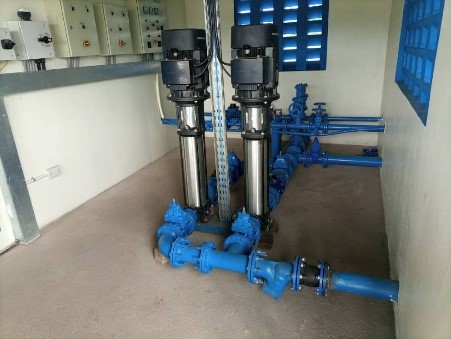
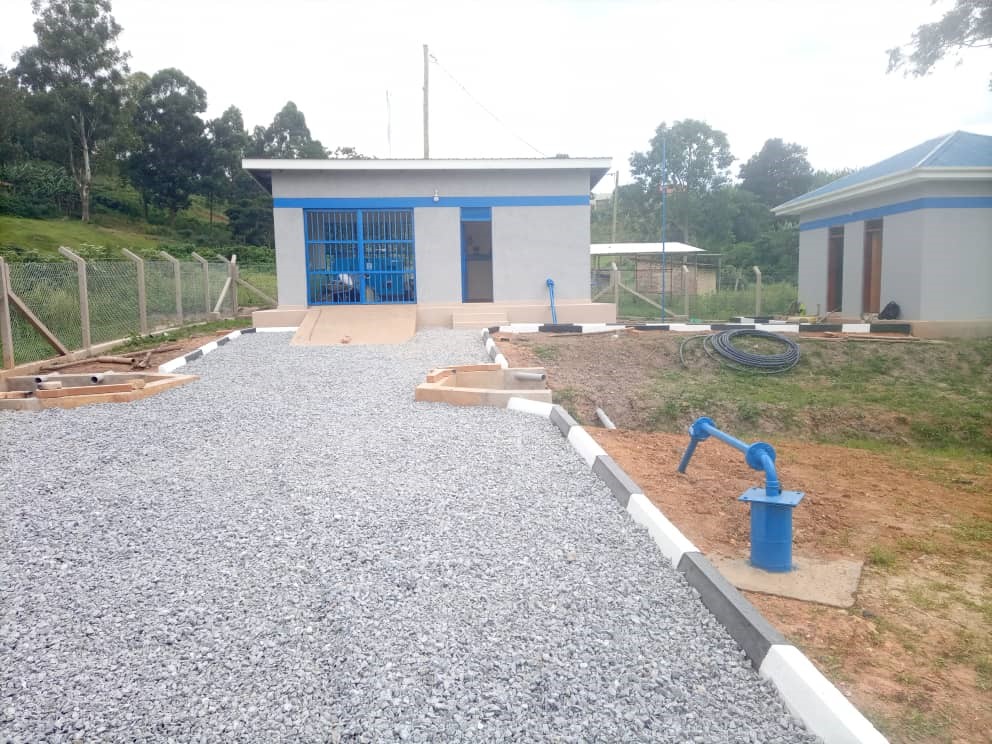
• Design and construction of piped water supply systems, including intakes, treatment plants, pumping stations, reservoirs, transmission pipelines, and distribution networks.• Construction of public and institutional sanitation facilities such as modern public toilets, school latrines, and market sanitation systems.
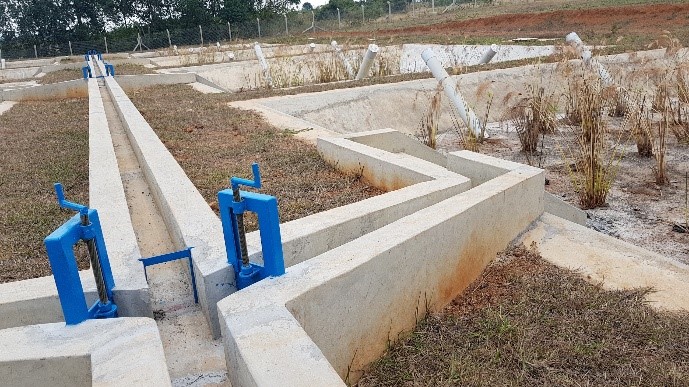
• Development of Faecal Sludge Treatment Plants (FSTPs) enabling safe management of waste.
• Implementation of hygiene and sanitation campaigns, including behaviour change communication.
• Capacity building for Water Boards, scheme operators, and local governments.
• Environmental and social safeguards, including climate considerations and community engagement.
• Rehabilitation and expansion of existing water supply systems to improve efficiency.
3. ACHIEVEMENTS (2006–2025)
A. South Western Towns Water and Sanitation Project III (2006–2012)
This was the foundational phase for WSDF–SW’s operations. It successfully delivered water systems to 46 Small Towns and Rural Growth Centres across South Western Uganda. Key achievements included:
• Completed 46 water supply systems.
• Reached 452,479 people with improved water access.
• Developed standardised community participation models.
• Strengthened Water Boards and trained scheme operators.
• Introduced new infrastructure designs suitable for hilly terrain.
B. Support to Water and Sanitation Development Project 1283 (2012–2019)
Under this project supported by EU MDG Initiative, ADA, and the Government of Uganda, WSDF–SW further expanded its reach. The project successfully delivered:
• 31 piped water supply systems.
• 5 system expansions.
• 2 fully functional Faecal Sludge Treatment Plants.
• 1 regional WSDF–SW office block in Mbarara.
• 529,871 people served across 505 villages.
The project emphasised sustainability mechanisms, including metering, tariff-setting, and operator training.
C. WSDF–SW II Project 1525 (2019–2027)
The ongoing phase has focused on modern, climate-smart solutions and inclusive sanitation. Achievements to date include:
• 11 completed piped water systems.
• 7 inclusive and eco-friendly public toilets with rainwater harvesting.
• 104,910 people served so far.
• Strong gender, youth, and HIV/AIDS mainstreaming.
• Enhanced community engagement through CLTS and local leadership structures.
4. COMPLETED TOWNS AND SCHEMES
Over the years, WSDF–SW has completed more than 90 water supply and sanitation projects under its various phases. Below are examples of verified completed towns and growth centres, extracted from official documentation, designs, and commissioning reports:
- Kinuuka, Kambuga, Lyantonde, Nyahuka, Mpangango, Mitooma, Kashaka, Rubaare, Kanungu, Kisoro, Ibanda, Sanga, Rukungiri, Kabale, Rubanda, Rwampara, Kazo, Kiruhura, Bushenyi
Photo Gallery
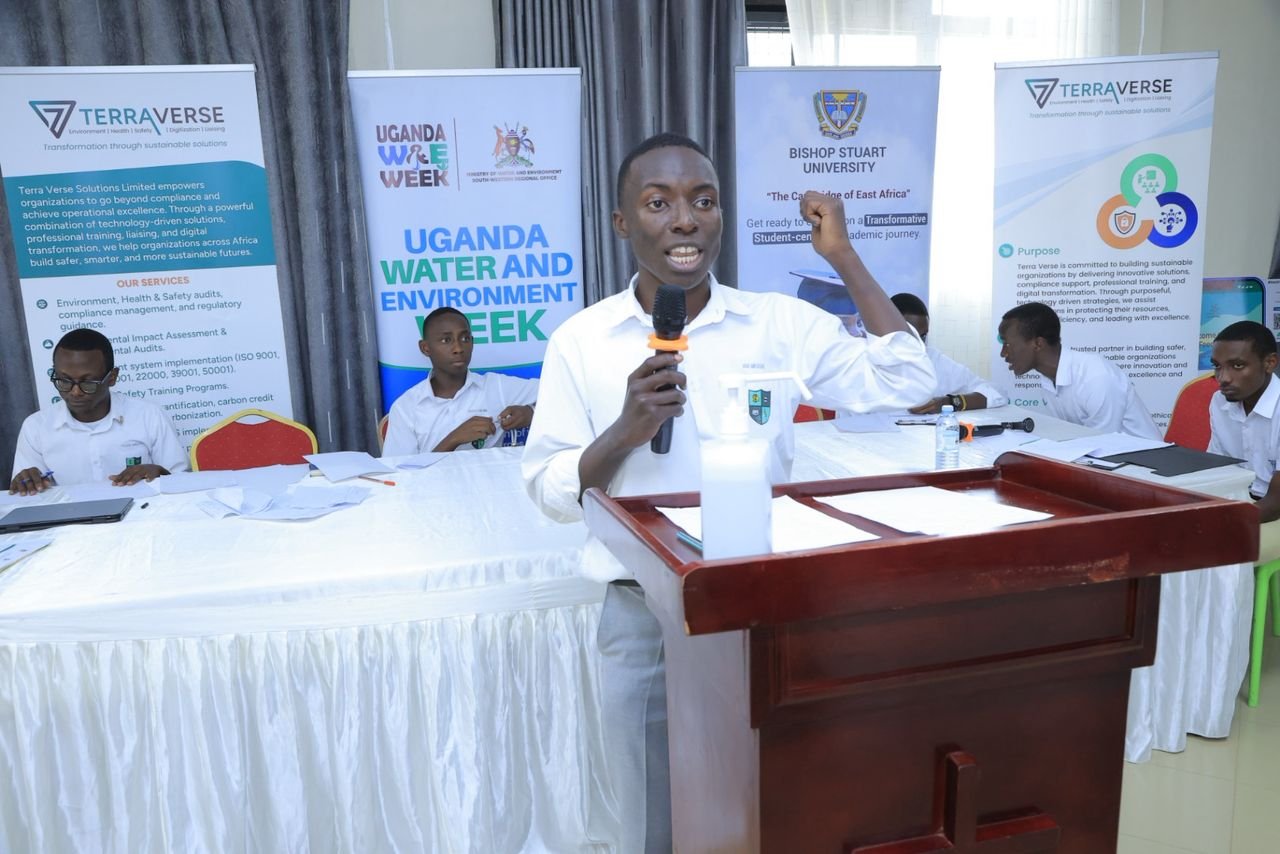
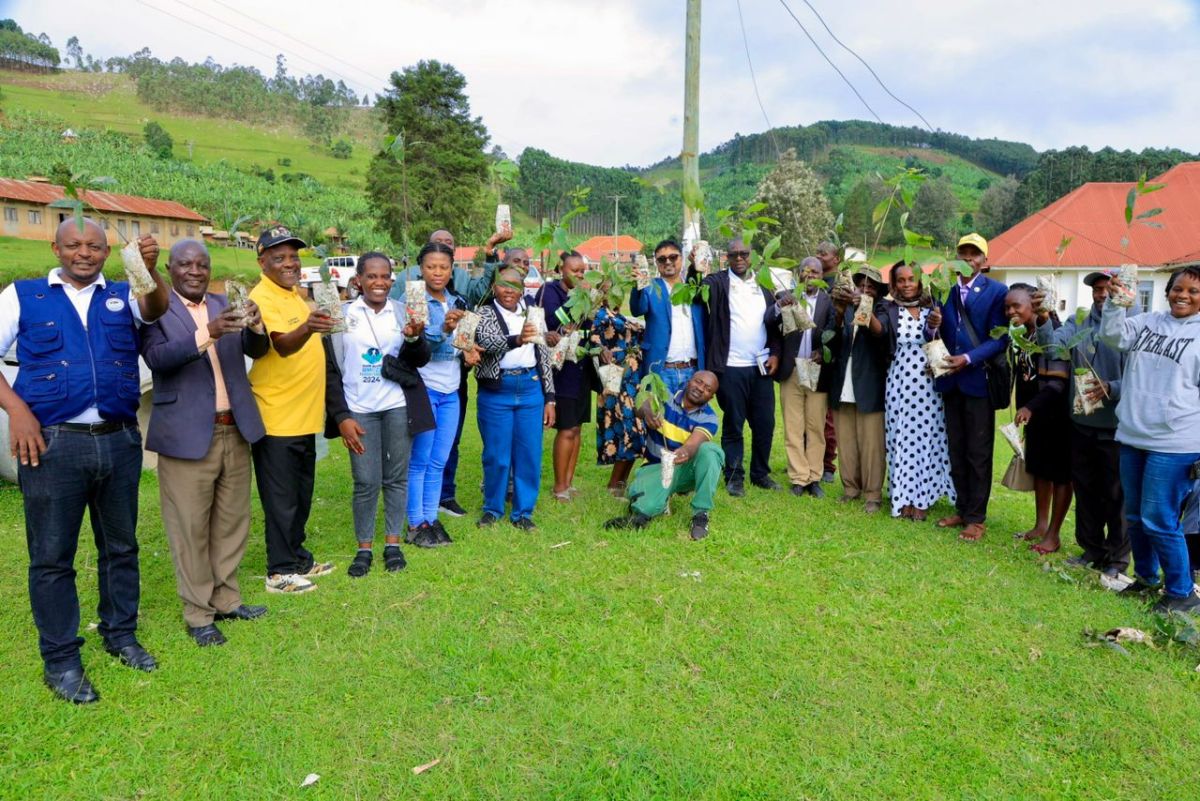
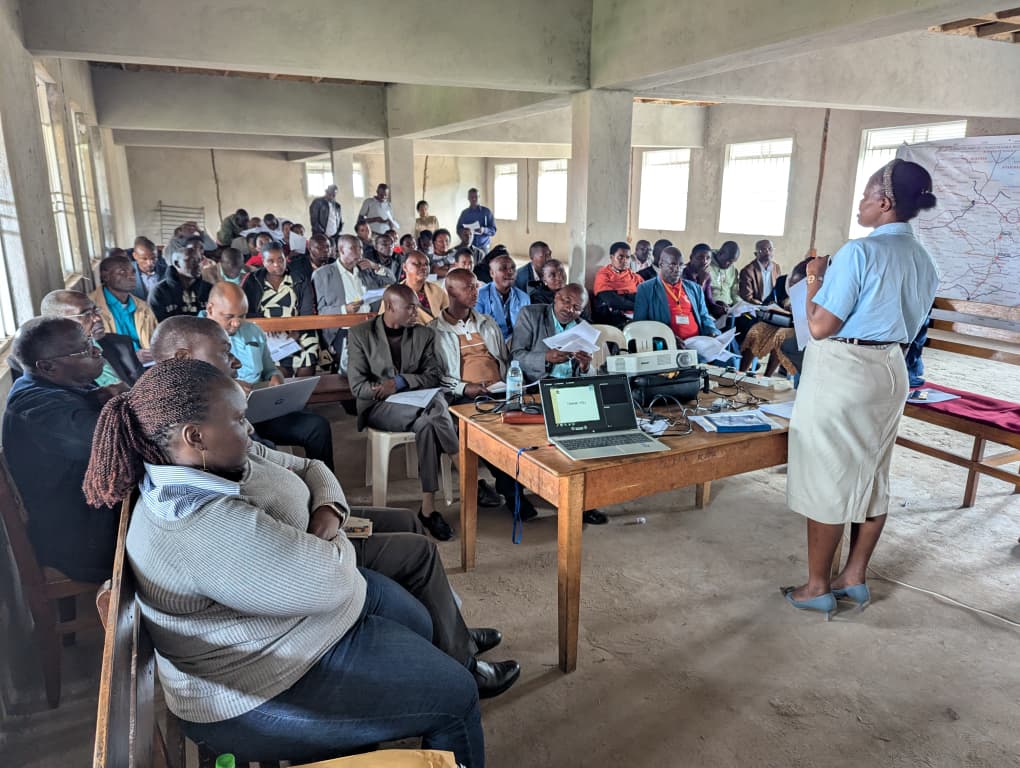
THE 9TH SOUTH WESTERN REGIONAL WATER AND ENVIRONMENT WEEK CONCLUDED WITH RESOUNDING SUCCESS
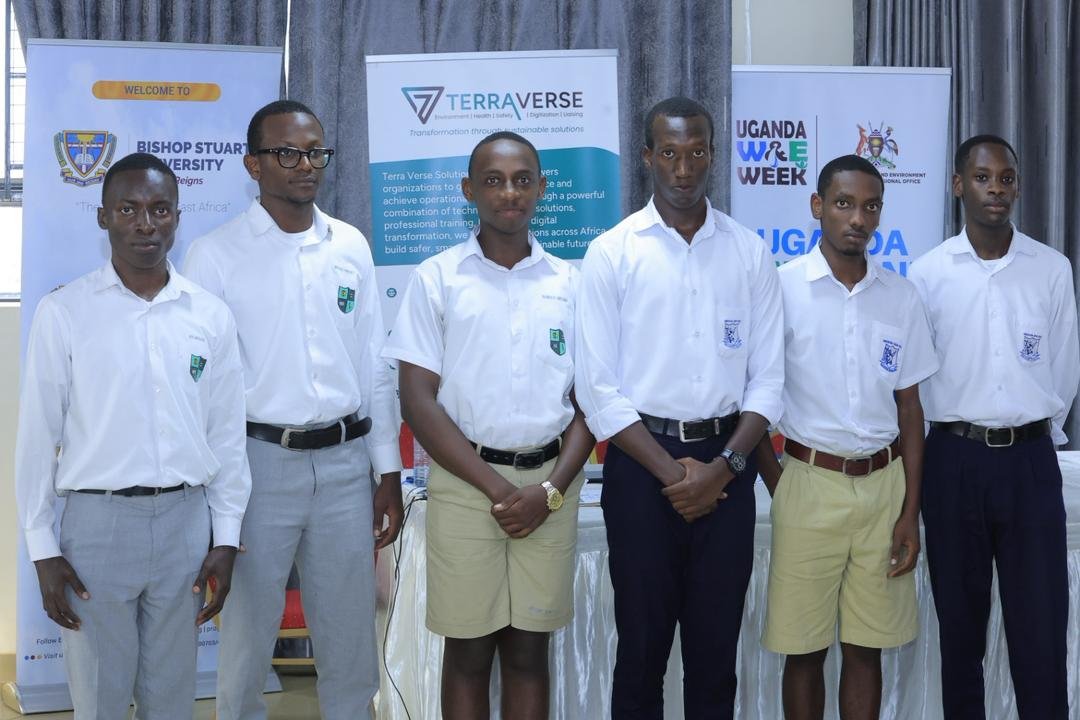
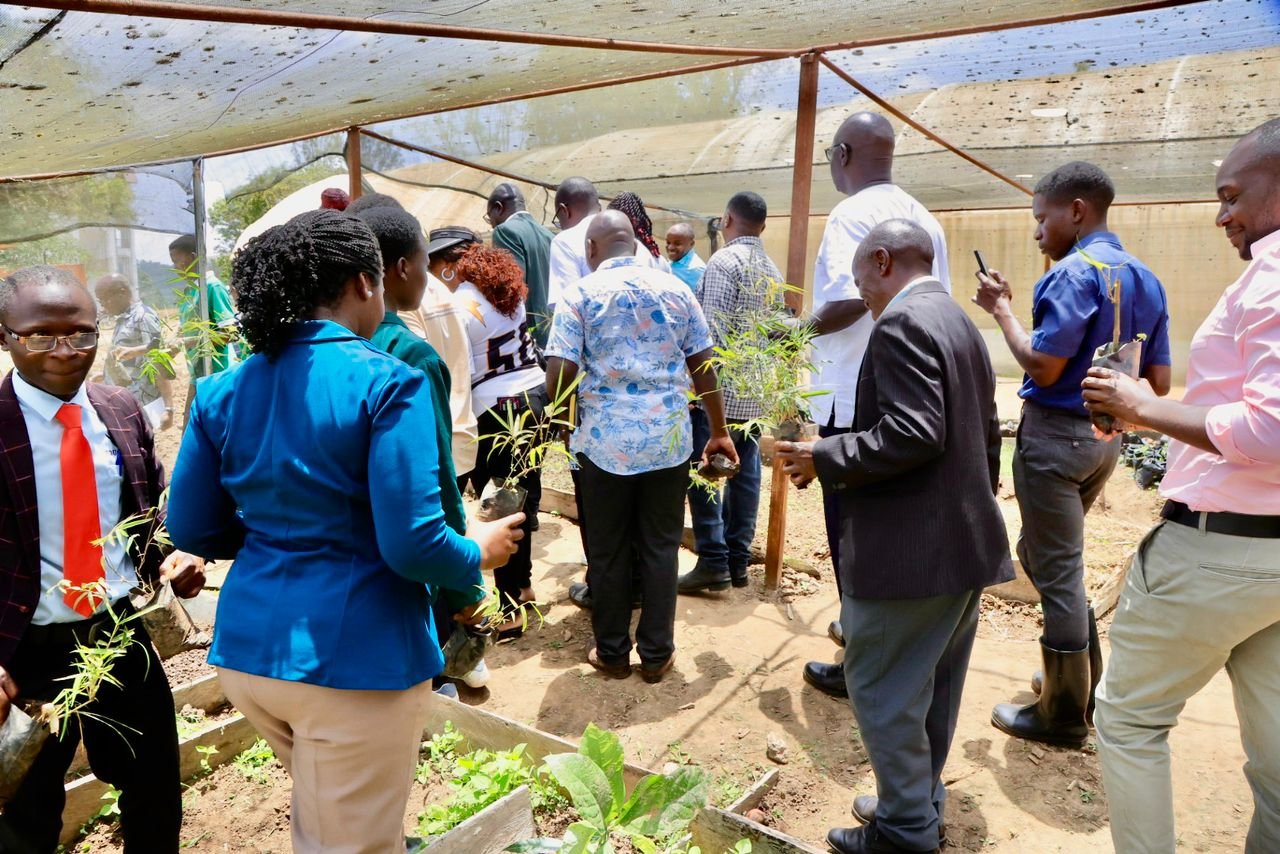
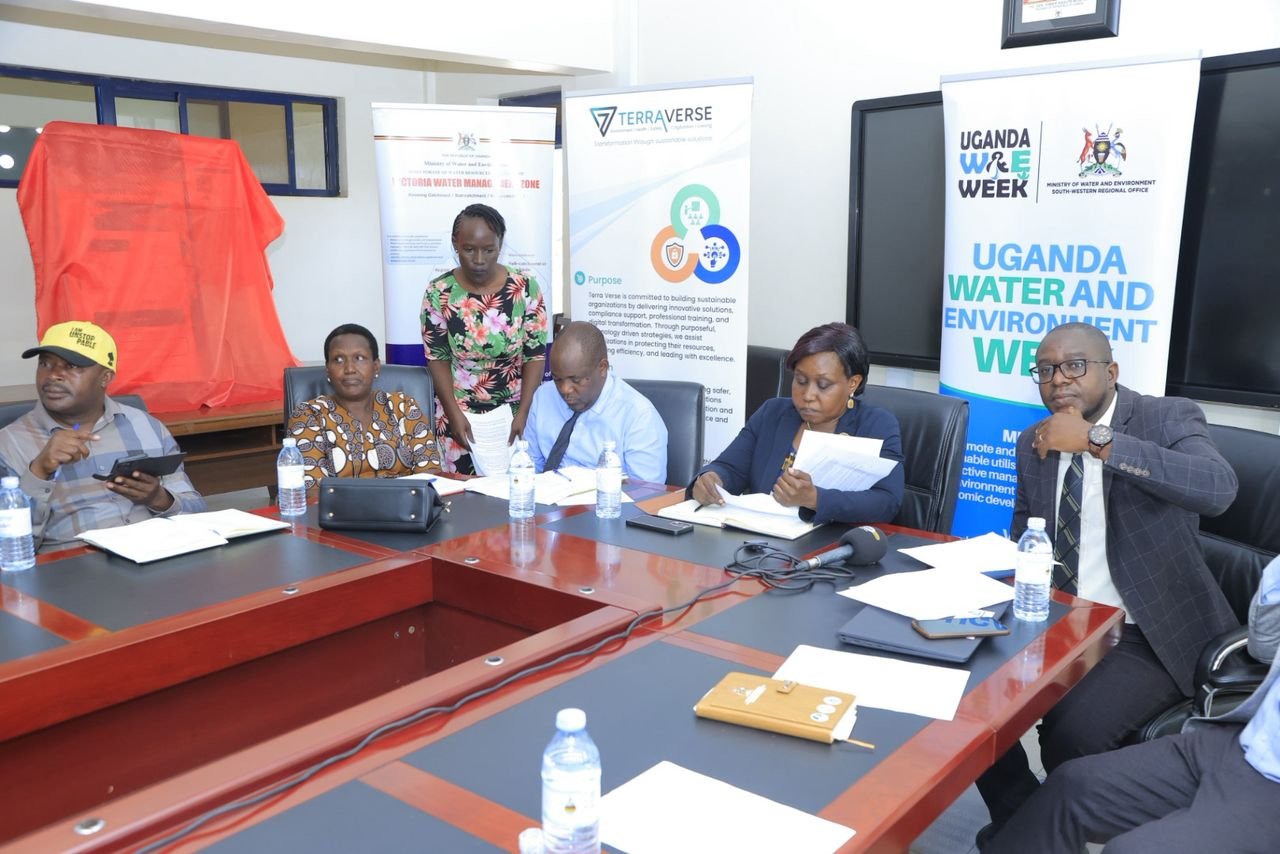
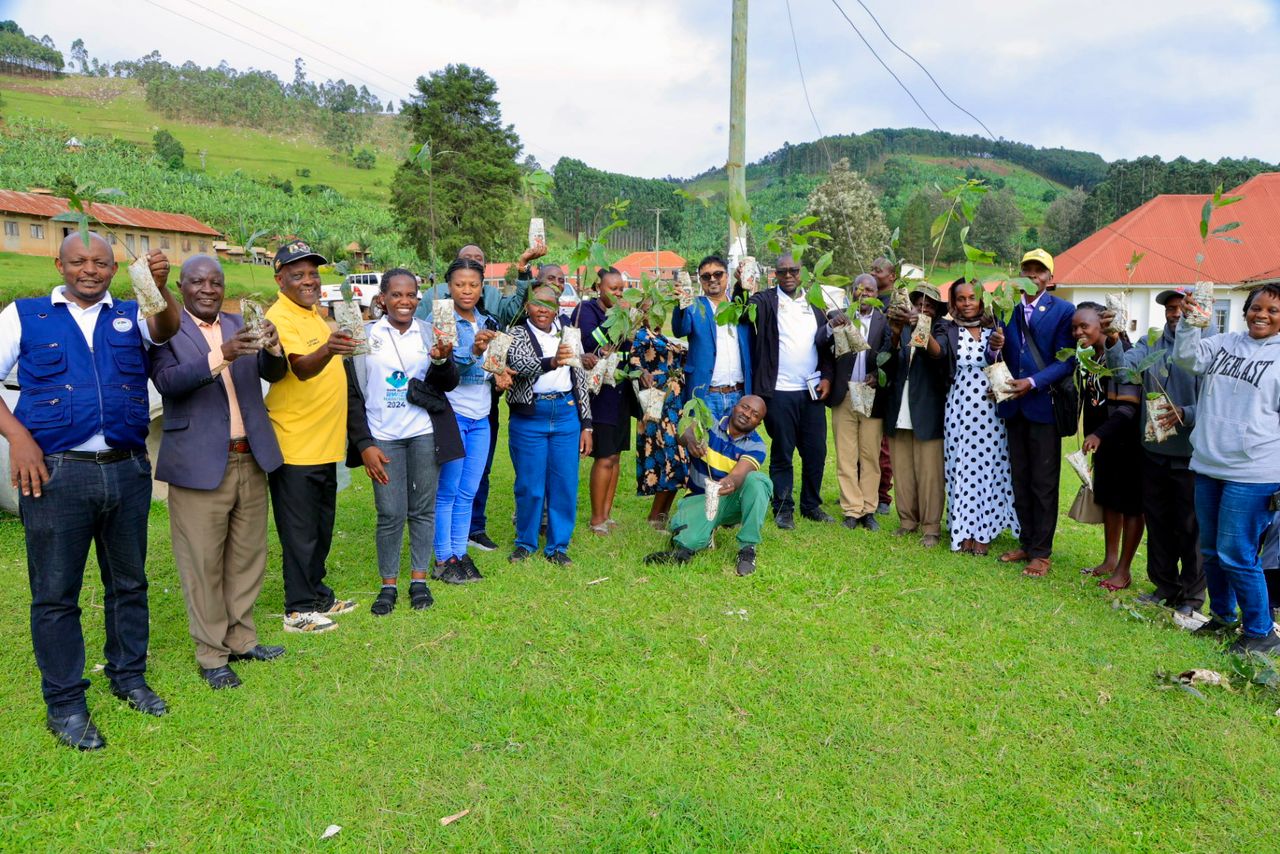
THE 9TH SOUTH WESTERN REGIONAL WATER AND ENVIRONMENT WEEK CONCLUDED WITH RESOUNDING SUCCESS