Victoria Water Management
REGIONAL MANAGER
Emor Stephen
DEPARTMENT
Water Resources Planning and Regulation2nd Site Visit and Meeting for the ICRP Component 1.3
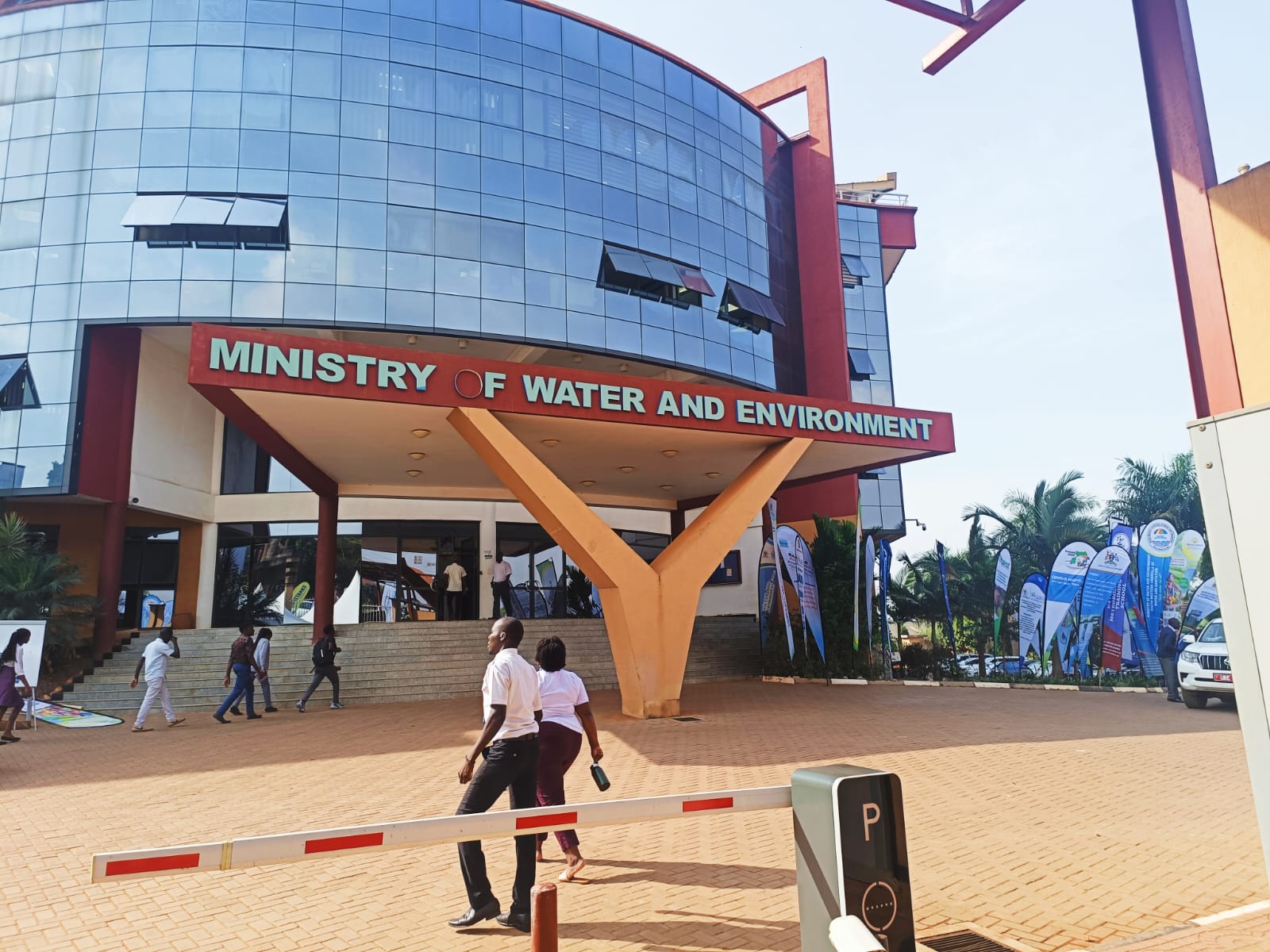
The Ministry of Water and Environment (MWE), through the Victoria Water Management Zone (VWMZ), on 9th and 10th December, conducted a successful quality assurance inspection and site meeting for Component 1.3 of the Irrigation for Climate Resilience Project in Ntungamo, Rwampara and Isingiro.
Headed by the VWMZ Team Leader, Stephen Emor, the inspection team included representatives from the contractors (Lot 1 by AidEnvironment; Lot 2 by SEGAMU 14; Lot 3 by NRDI), alongside local district leadership, focusing on reviewing progress, addressing community grievances, and outlining the way forward for continued implementation of conservation measures. The Ministry strongly advised implementing partners to be proactive, actively listen to community concerns, and promptly address all issues, which is essential for securing community buy-in and ensuring sustainability of the interventions.
Inspection Highlights by Lot:
The inspection confirmed significant progress and high community engagement across all contracted lots:
Lot 1:
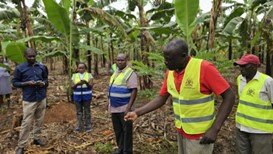
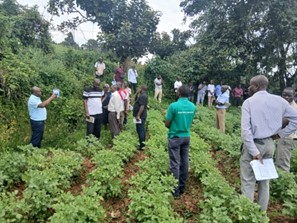
Demonstration Farms (Kyamazinga I, Isingiro): Farmers were actively applying soil and water conservation techniques.
Reforestation Training (Kagaga, Rwampara): Farmers received training on the importance and methods of tree planting for environmental stability.
Lot 2:
River and Wetland Demarcations: Key sites in Akatesani village, Kabuyanda Town Council, and Nombe Wetland showed clear delineation, a critical step toward stopping encroachment and conserving water resources.
Lot 3:
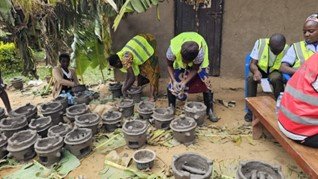
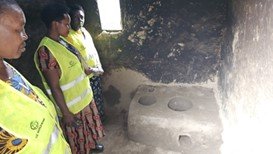
Rwamwijuka Energy Cook stoves Women Group in Kikagate Sub County: Promoting energy-efficient practices.
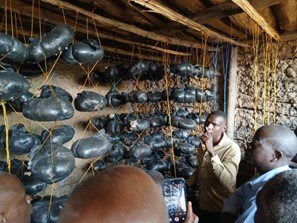
Fruit/Coffee Grower Group (Kabuyanda Town Council).
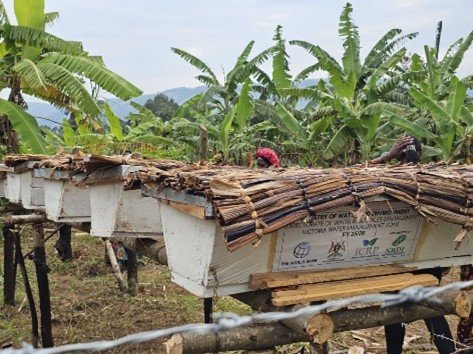
Akateseni Beekeepers Group (Promoting beekeeping and honey production).
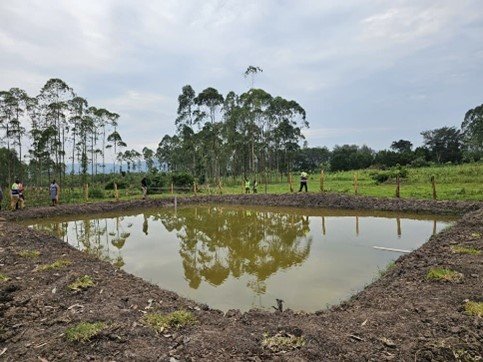
Kabugu Fish Farming Group - Kabuyanda Subcounty, Introducing fish farming as an alternative livelihood.
The primary goal of these interventions is the conservation of the Mishumba River and its surrounding wetlands by introducing sustainable, alternative income-generating activities (IGAs) for local communities. This ensures the long-term health of the ecosystem and a constant water supply to the future Kabuyanda Earth Dam, which is crucial for benefiting a large population across Kabuyanda and the broader Isingiro district.
Community Engagement and Impact
The inspection team was highly impressed by the community's positive reception and high level of zeal. Farmers have embraced the ideas, actively forming groups to work collectively towards environmental conservation and sustainable livelihoods.
The Local district officials appreciated the climate resilience initiatives and pledged their full cooperation in addressing community issues and properly implementing conservation and livelihood activities within their respective jurisdictions.
Community members expressed their profound gratitude to the Ministry and the contractors for the provided support, including free knowledge, training, and essential resources like seedlings, which will empower them to conserve the environment while improving their economic stability.
Photo Gallery