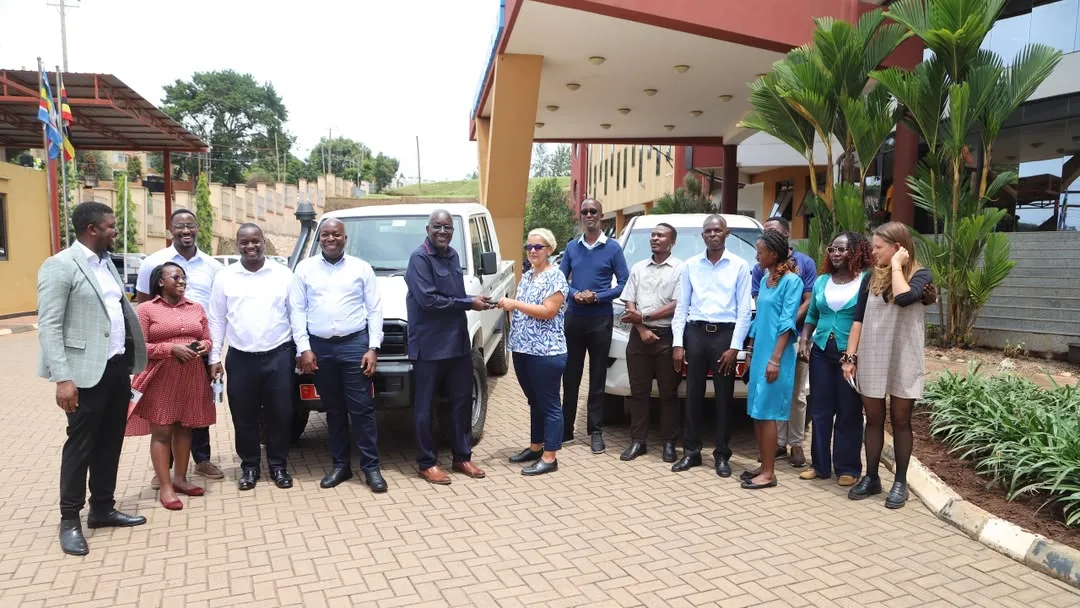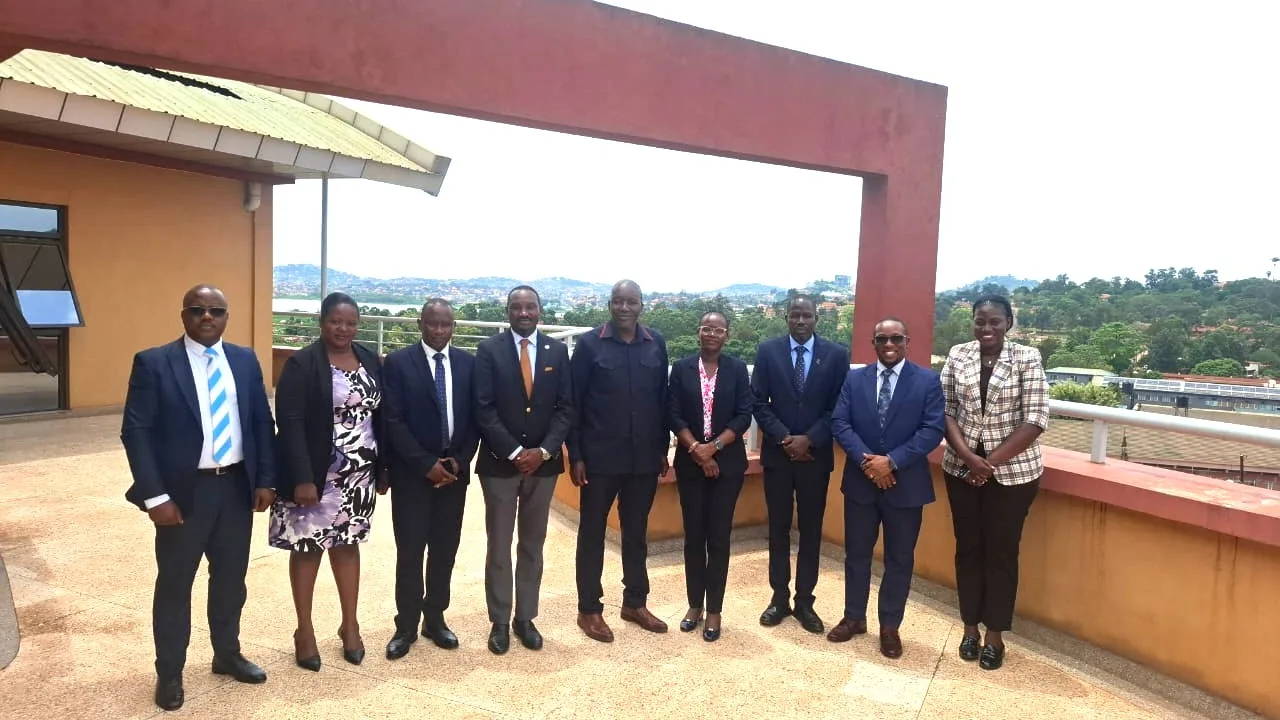
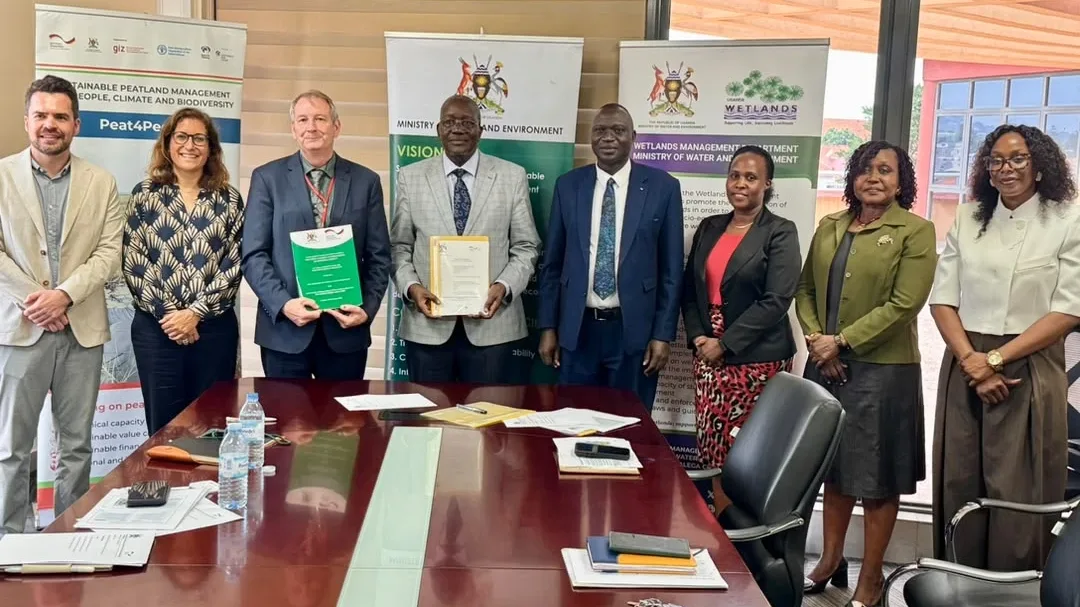
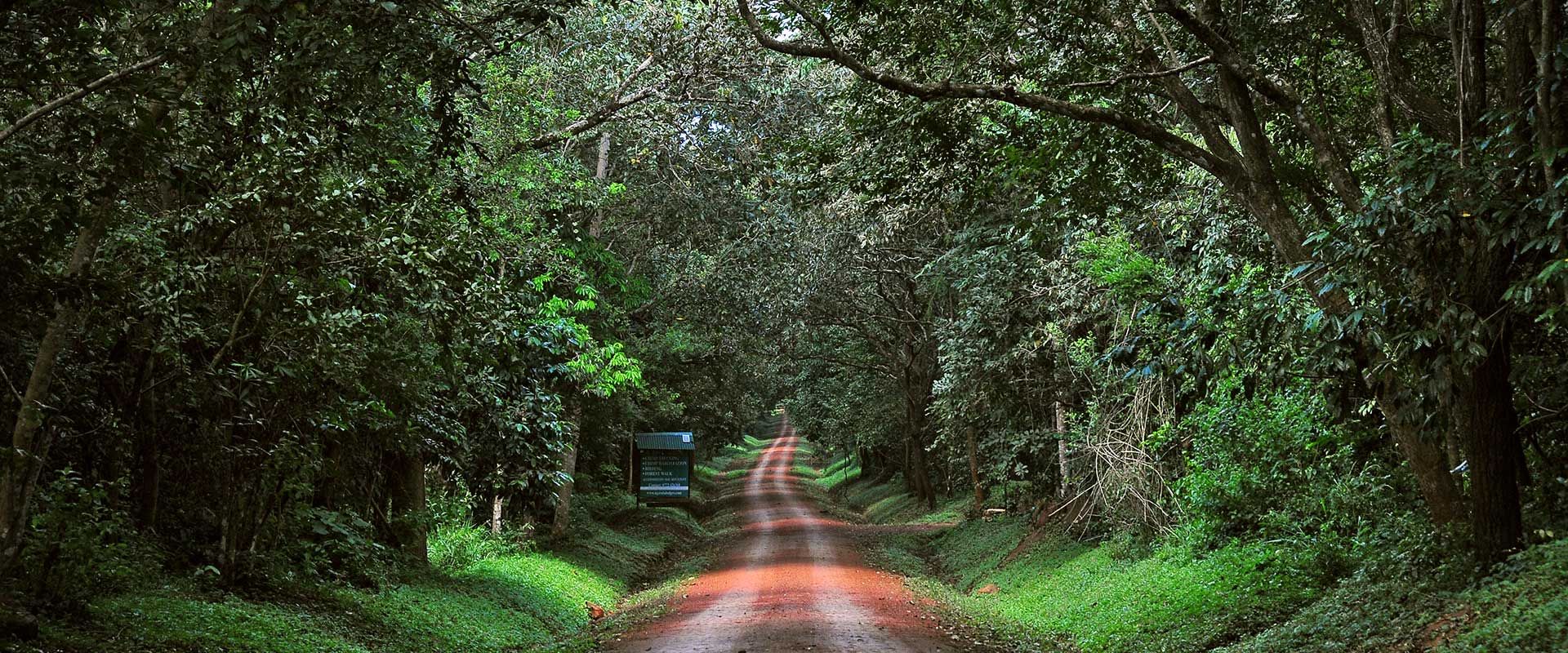
LAUNCH OF THE FOREST LANDSCAPE RESTORATION (FLR) IMPLEMENTATION HUB PROJECT
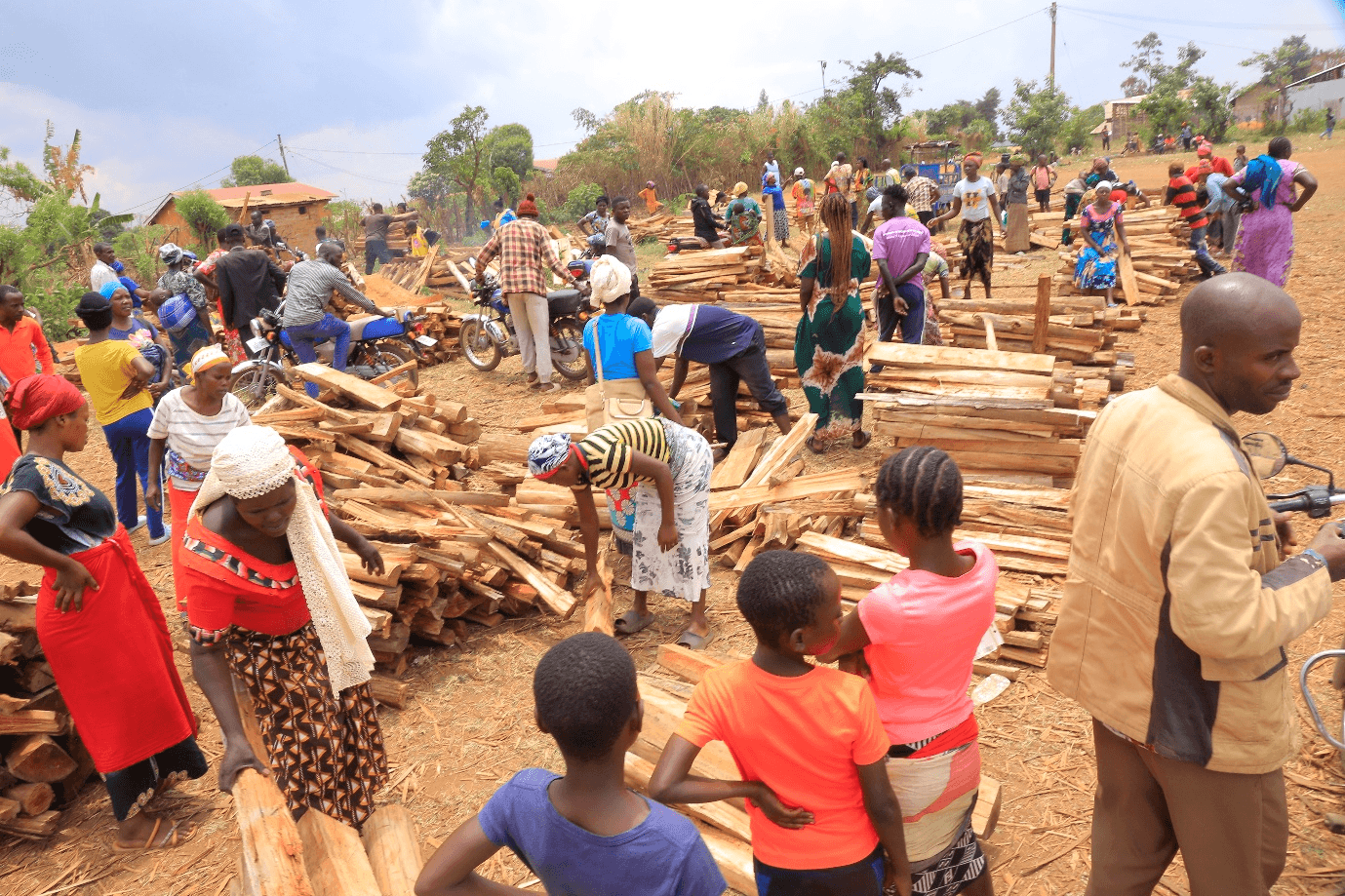
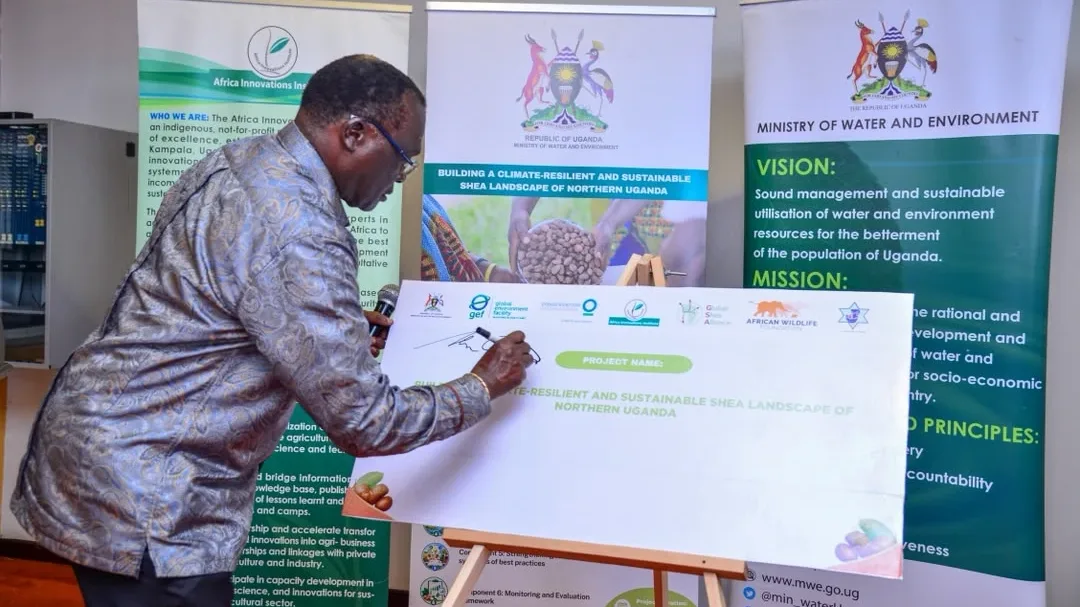
FOREST LANDSCAPE RESTORATION (FLR) IMPLEMENTATION HUB PROJECT LAUNCHED
The...
We are committed to ensuring sustainable management of Uganda's water and environment resources for the benefit of present and future generations. Our mission is to promote and ensure the rational and sustainable utilization of water and environment resources for socio-economic development.
Our Mission Statement:
To promote efficient and effective utilization of water and environment resources for a healthy, wealthy and climate resilient population
Vision Statement:
Transformed Ugandan Society with environment and natural resources sustainably managed.
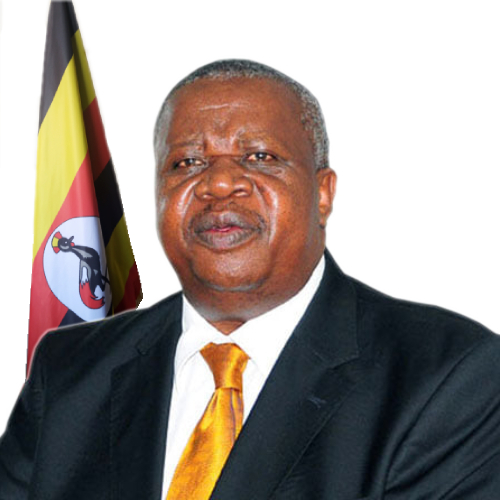
Minister of Water & Environment
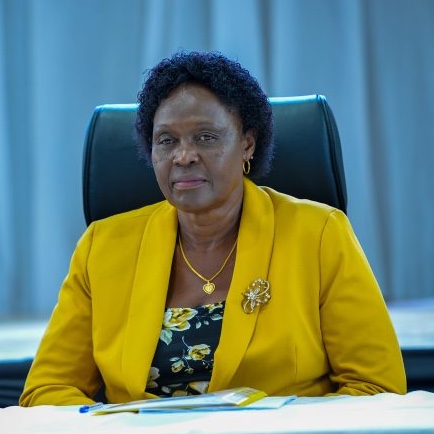
Minister of State for Environment
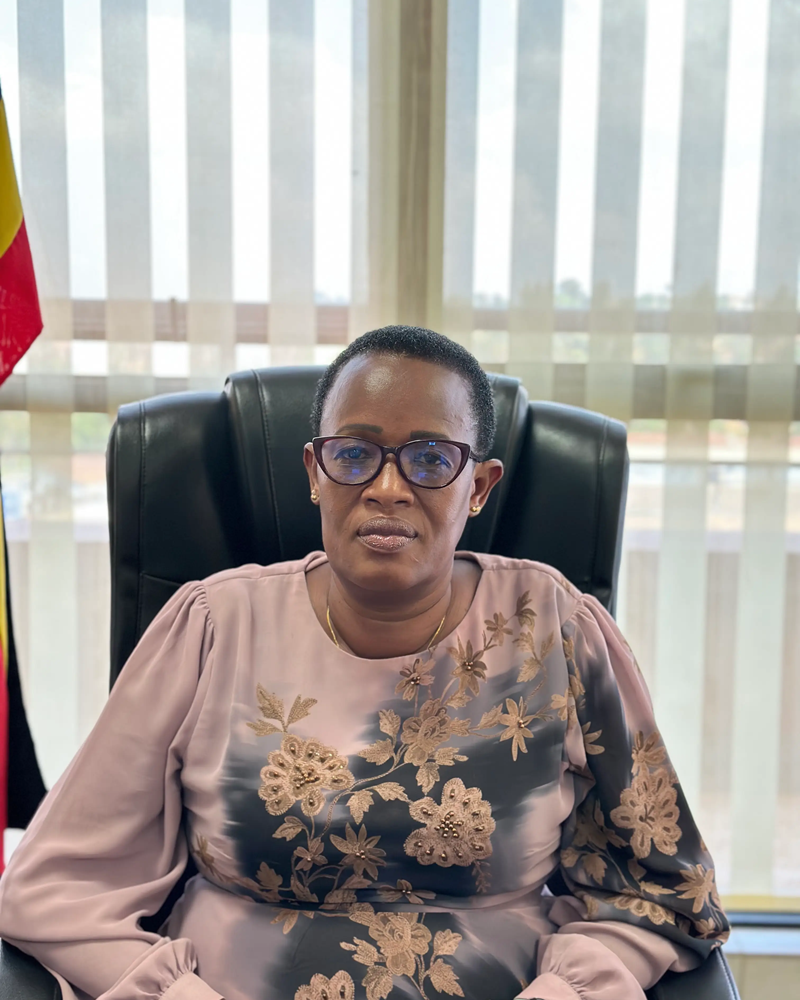
Minister of State for Water
Minister of Water & Environment
Minister of State for Environment
Minister of State for Water

FOREST LANDSCAPE RESTORATION (FLR) IMPLEMENTATION HUB PROJECT LAUNCHED
The...
The Ministry of Water and Environment, through the Water for Production Regional Centre–Karamoja, ha...
The Ministry of Water and Environment( MWE) through the Department of Environment Sector Support Ser...
Site visit on Omanimani Water Level Monitoring Station under DRESSEA Project at Matany Town Council...
The Emergency Preparedness and Response Plan (EPRP) has been developed to guide all stakeholders – including contractors, consultants, local government officials, and project beneficiaries—on how to prepare for, respond to, and recover from emergencies that may arise during the construction and operational phases of the Multi-Purpose Water for Climate Resilience and Irrigation Development for Livelihood Transformation (MWACRID) Project. The project is being implemented in the sub-counties of Masindi-Port and Kigumba in Kiryandongo District, as well as Mirya and Kimengo in Masindi District, Uganda. This plan reinforces the project’s commitment to safety, sustainability, and compliance with the African Development Bank’s (AfDB) environmental and social safeguard policies. This plan ensures consistent procedures are in place across all project components to minimize risk to human health, the environment, infrastructure, and financial investment. The project will consist of two major components: a potable water supply infrastructure and an irrigation water supply system. Key features include diversion canals, intake and pump stations, treatment plants, transmission and distribution pipelines, and various support facilities such as process buildings, control rooms, electrical and maintenance buildings, administrative offices, and reservoir tanks. Each component is designed to enhance water access for both domestic use and irrigation purposes. A detailed description of these components is provided in appendix 1.1.1. Purpose of the PlanThe purpose of this plan is to provide measures and guidance for the establishment and implementation of emergency preparedness and response plan for the Multi-Purpose Water for Climate Resilience and Irrigation Development for Livelihood Transformation (MWACRID) Project. The purpose of the EPRP is to:Provide a plan, which facilitates public safety by notifying all appropriate authorities and stakeholders;Provide information to all stakeholders to allow for an informed evaluation to be made during emergency events;Provide a plan of action for foreseeable flood emergencies affecting safety of the MWACRID Project and local communities;Ensure all personnel and visitors are given the maximum protection from unforeseen events;Ensure all personnel are aware of the importance of this plan to support the protection of life and property.The plan is intended to assist the Contractor, Employer, the local community and any other stakeholders in responding swiftly and effectively in the event of an emergency at the MWACRID Project.This plan is primarily biased to emergency preparedness and response to MWACRID –Project water reservoirs and bulk water transmission lines and associated risks directly linked to the proposed bulk water supply infrastructure.It is important to note that other common emergencies or risks associated with the MWACRID-P associate project’s such as marram borrow areas, water abstraction point, rock blasting for rocky areas and a host of other policies, procedures and plans that the Contractor has developed with respect to MWACRID -P.Therefore; this Emergency Preparedness and Response Plan in a bid avoid duplication of other plans and procedures already prepared by the contractor will prioritize and discuss bulk water transmission lines and water reservoir(s) for MWACRID P, an aspect which is not exhaustively addressed in the other MWACRID P plans, procedures and policies.
IntroductionThe Government of Uganda through the Ministry of Water and Environment (MWE) with technical support from the United Nations Environment Programme (UNEP) is implementing a project titled “Reducing the climate change vulnerability of local communities in Uganda through Ecosystem Based Adaptation (EbA) in forest and wetland ecosystems”. The project is funded by the Global Environment Facility (GEF), Least Developed Country Fund (LDCF) totaling USD 4,350,000.The goal of this project is to reduce the vulnerability of communities living around wetlands and forests to climate change with the specific objective of increasing the technical and institutional capacity of government authorities and local communities in Uganda to implement EbA in wetland and forest ecosystems to reduce vulnerability of dependent communities to observed and anticipated effects of climate change.The project outcome areas:Outcome 1: Technical and institutional capacity at the local and national level to integrate EbA into existing management plans for wetlands and forests is strengthenedOutcome 2: Climate change vulnerability of communities living around degraded wetlands and forests is decreased through the implementation of EbA interventionsOutcome 3: Communities living at the project intervention sites have increased capacity to adopt alternative livelihoods and climate-resilient agriculture techniques to decrease their vulnerability to climate change and reduce degradation of wetlands and forests.Outcome 4: Increased knowledge and awareness of government officials and communities at project intervention sites of: i) the ecosystem services provided by wetlands and forests; and ii) the benefits of EbA for increasing the resilience of livelihoods to climate changeProject intervention sites:This project is being implemented in four intervention areas-ecosystemsR Enyau system (Arua; Arua City)R Sironko system (Sironko; Bulambuli)R Rwambu-Mpanga system (Ibanda; Kitagwenda and Kamwenge)R Rwizi-Nakivale system (Mbarara; Mbarara City)
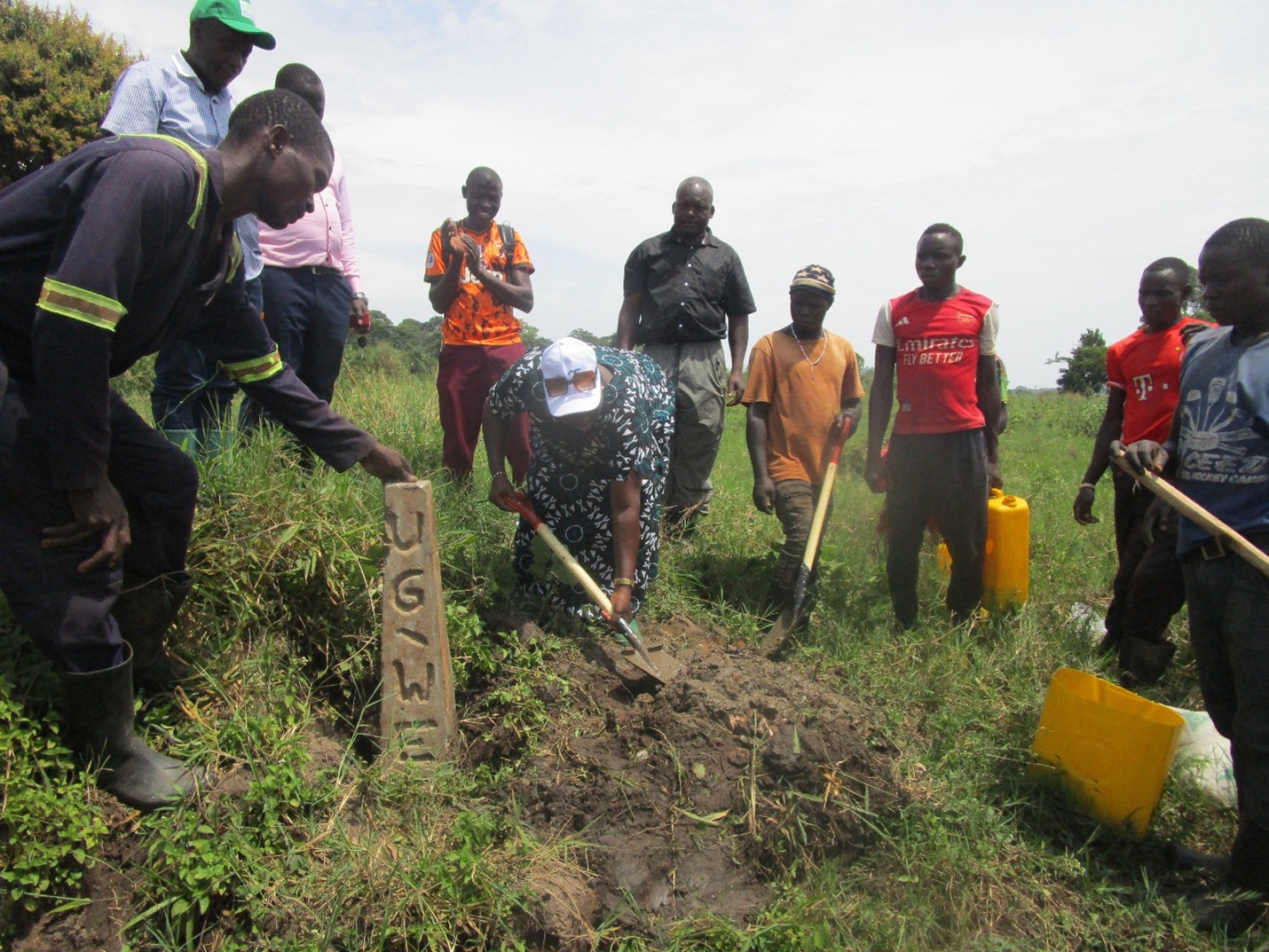
The five-year project aims to restore degraded sections of ten wetland systems and maintain their integrity for improved water availability, flood abatement, biodiversity flows and climate amelioration measured in area of wetland restored and maintained in hectares by the DLGs, Regional Technical Support Units (RTSUs) and MoWE.The key interventions under the project include; demarcating 2500km of wetlands through planting of pillars and gazettement, restoring 31,000ha of wetland hydro-ecological and socio-economic services, developing 40 management plans for the restored wetlands, promoting 1160 wetland-based enterprises for improved community livelihoods, elevating the status of 5 selected wetlands by designating them as reserves and Ramsar Sites, strengthening 237 wetland technical and institutional capacity at National, District and Community levels and enhancing public and stakeholder awareness for 600,000hhs for effective participation.The project is being implemented in the following target areas: Lumbuye, Kibimba, Awoja, Ssezibwa, Mayanja, Tochi, Enyau, Aswa, Muzizi and Mpanga wetland systems.
As a Least Developed Country (LDC), Uganda faces challenges such as poverty and infrastructure gaps, but it has made significant progress in education, health, and economic reforms. Despite its negligible contribution to global emissions (0.099 percent), Uganda is highly vulnerable to the impacts of climate change. Ranked 13th in vulnerability and 160th in readiness, the country faces increasingly frequent and severe weather events such as floods, droughts, and erratic rainfall. These extreme events are causing landslides, water shortages, and crop failures and other impacts, which threaten Uganda’s socio-economic progress.Following a request by the state minister for Environment in 2018, Uganda officially joined the Least Developed Countries initiative on Effective Adaptation and Resilience (LIFE-AR) initiative in November 2020. A task force was established to draft a concept note on how LIFE AR would be implemented in Uganda. The concept note recommended the Devolved Climate Finance (DCF) mechanism as the preferred approach to deliver climate finance for local adaptation and resilience building. This mechanism aligns with Uganda’s devolved governance system, integrates climate change into local planning, and supports the country’s NationalClimate Change Policy, Nationally Determined Contribution (NDC) and National Development Plan. The initiative aims to build Uganda’s climate resilience by supporting community-driven climate action, with at least 70% of funding directed toward local priorities.LIFE AR in Uganda will strengthen in-country capabilities, systems and institutions for climate action, ensuring that there’s sustained funding for climate action and that at least 70% of this funding supports community priorities. The LIFE-AR program in Uganda has made significant strides, achieving key milestones in its Test & Evolve phase. Following the establishment phase, the program is being piloted in 12 districts across the countries with four districts of Kalungu, Kibaale, Pader Kaabong into the investment phase.Moving forwardDistrict-Wide Climate Risk and Vulnerability Assessments (CRVAs) completed in all districtsDistrict and sub-county technical awareness meetings conductedPCCC election and training process completedProposal development and investment selection for the first four districts completedInvestment implementation in progress for the first four districts.Date joined: November 2020Current phase: Test & EvolveNumber of districts/sub-districts selected: 12 Pilot DistrictsName of organisation responsible: Ministry of Water and EnvironmentName and function of focal point:Scovia Akot (National Focal Point) - Coordination of the Programme;Harriet Kyomuhendo (Alternate Focal Point)Follow us on social mediaX @LIFEARug
The Emergency Preparedness and Response Plan (EPRP) has been developed to guide all stakeholders – including contractors, consultants, local government officials, and project beneficiaries—on how to prepare for, respond to, and recover from emergencies that may arise during the construction and operational phases of the Multi-Purpose Water for Climate Resilience and Irrigation Development for Livelihood Transformation (MWACRID) Project. The project is being implemented in the sub-counties of Masindi-Port and Kigumba in Kiryandongo District, as well as Mirya and Kimengo in Masindi District, Uganda. This plan reinforces the project’s commitment to safety, sustainability, and compliance with the African Development Bank’s (AfDB) environmental and social safeguard policies. This plan ensures consistent procedures are in place across all project components to minimize risk to human health, the environment, infrastructure, and financial investment. The project will consist of two major components: a potable water supply infrastructure and an irrigation water supply system. Key features include diversion canals, intake and pump stations, treatment plants, transmission and distribution pipelines, and various support facilities such as process buildings, control rooms, electrical and maintenance buildings, administrative offices, and reservoir tanks. Each component is designed to enhance water access for both domestic use and irrigation purposes. A detailed description of these components is provided in appendix 1.1.1. Purpose of the PlanThe purpose of this plan is to provide measures and guidance for the establishment and implementation of emergency preparedness and response plan for the Multi-Purpose Water for Climate Resilience and Irrigation Development for Livelihood Transformation (MWACRID) Project. The purpose of the EPRP is to:Provide a plan, which facilitates public safety by notifying all appropriate authorities and stakeholders;Provide information to all stakeholders to allow for an informed evaluation to be made during emergency events;Provide a plan of action for foreseeable flood emergencies affecting safety of the MWACRID Project and local communities;Ensure all personnel and visitors are given the maximum protection from unforeseen events;Ensure all personnel are aware of the importance of this plan to support the protection of life and property.The plan is intended to assist the Contractor, Employer, the local community and any other stakeholders in responding swiftly and effectively in the event of an emergency at the MWACRID Project.This plan is primarily biased to emergency preparedness and response to MWACRID –Project water reservoirs and bulk water transmission lines and associated risks directly linked to the proposed bulk water supply infrastructure.It is important to note that other common emergencies or risks associated with the MWACRID-P associate project’s such as marram borrow areas, water abstraction point, rock blasting for rocky areas and a host of other policies, procedures and plans that the Contractor has developed with respect to MWACRID -P.Therefore; this Emergency Preparedness and Response Plan in a bid avoid duplication of other plans and procedures already prepared by the contractor will prioritize and discuss bulk water transmission lines and water reservoir(s) for MWACRID P, an aspect which is not exhaustively addressed in the other MWACRID P plans, procedures and policies.
IntroductionThe Government of Uganda through the Ministry of Water and Environme...
The five-year project aims to restore degraded sections of ten wetland systems a...
As a Least Developed Country (LDC), Uganda faces challenges such as poverty and...
The Ministry of Water and Environment is committed to avoiding, minimizing, and mitigating adverse environmental and social impacts associated with its projects, as well as adopting a gender-sensitive and gender-equitable approach for all its projects.
View Standards