We are committed to ensuring sustainable management of Uganda's water and environment resources for the benefit of present and future generations. Our mission is to promote and ensure the rational and sustainable utilization of water and environment resources for socio-economic development.
Our Mission Statement:
To promote efficient and effective utilization of water and environment resources for a healthy, wealthy and climate resilient population
Vision Statement:
Transformed Ugandan Society with environment and natural resources sustainably managed.
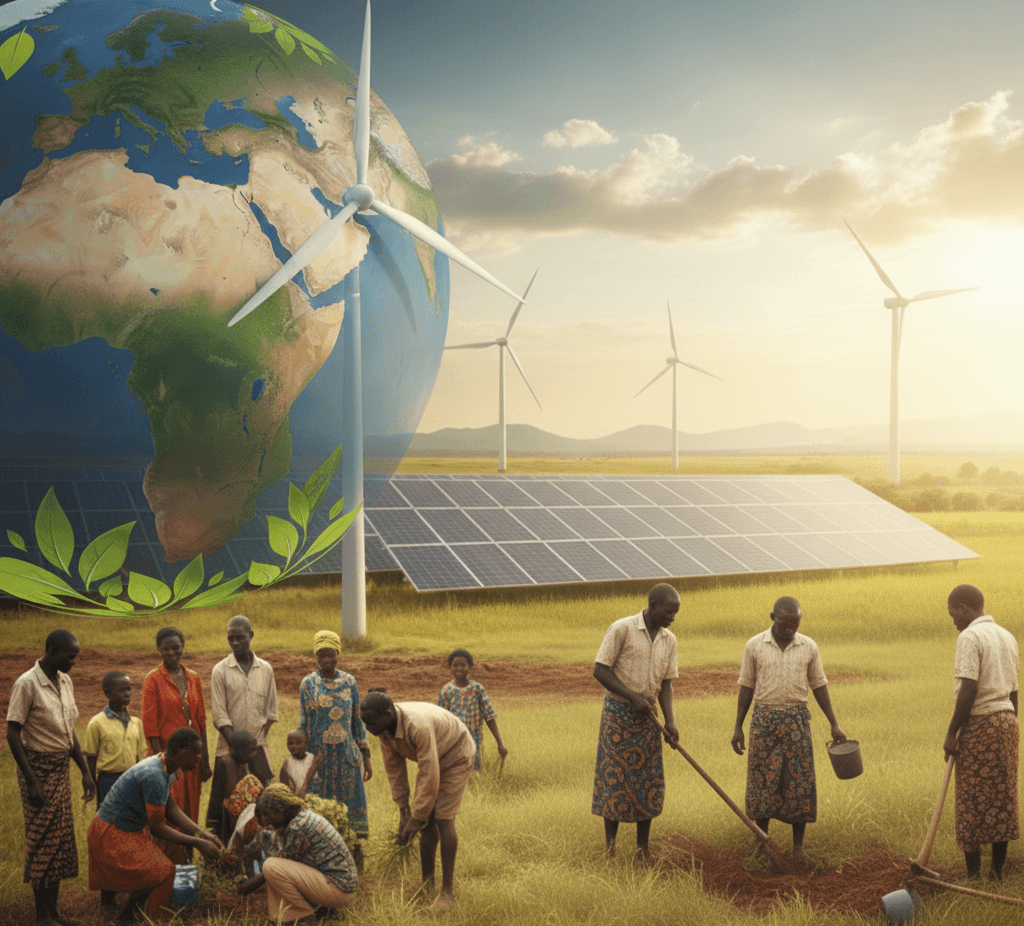
CDM PROJECTThe Clean Development Mechanism (CDM), defined in Article 12 of the Protocol, allows a country with an emission-reduction or emission-limitation commitment under the Kyoto Protocol (Annex B Party) to implement an emission-reduction project in developing countries. Such projects can earn saleable certified emission reduction (CER) credits, each equivalent to one tonne of CO2, which can be counted towards meeting Kyoto targets.The mechanism is seen by many as a trailblazer. It is the first global, environmental investment and credit scheme of its kind, providing a standardized emissions offset instrument, CERs.A CDM project activity might involve, for example, a rural electrification project using solar panels or the installation of more energy-efficient boilers.The mechanism stimulates sustainable development and emission reductions, while giving industrialized countries some flexibility in how they meet their emission reduction or limitation targets.MORE ABOUT THE PROJECT
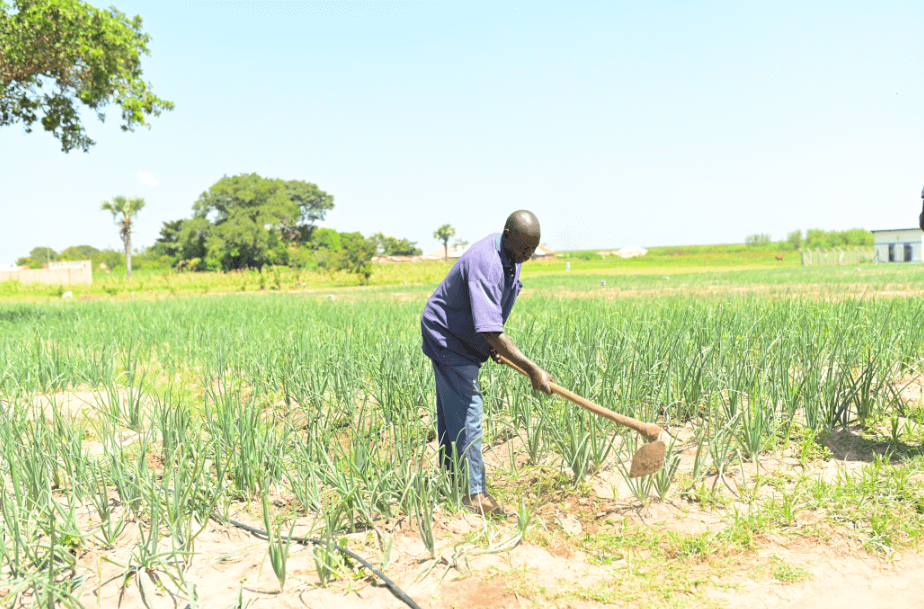
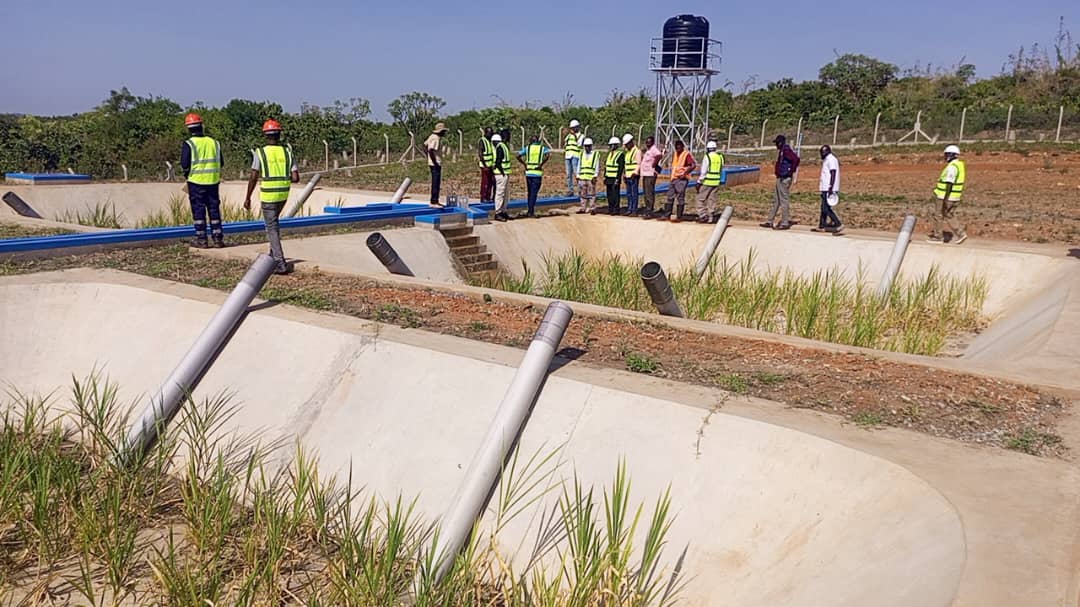
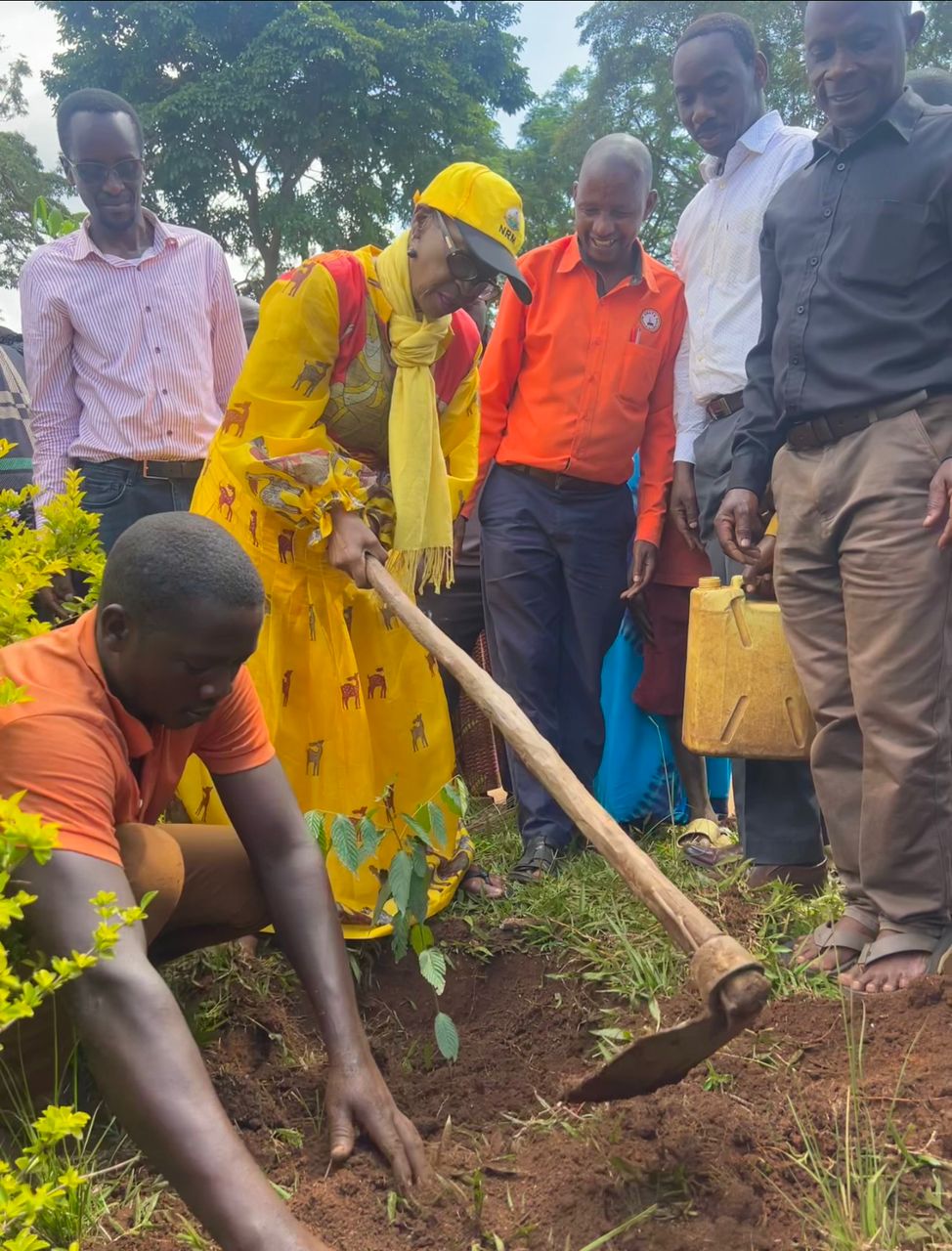
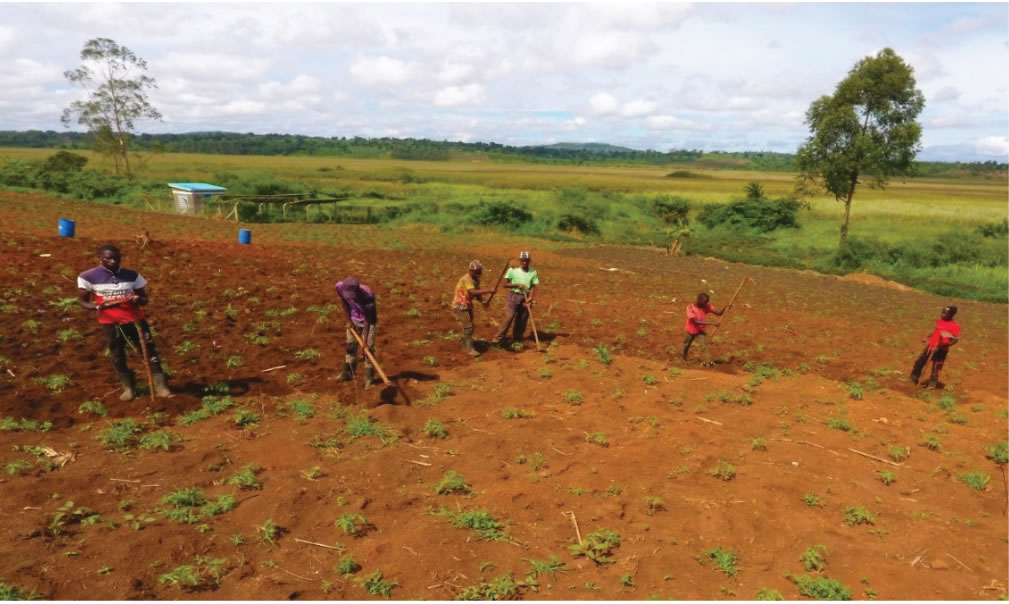
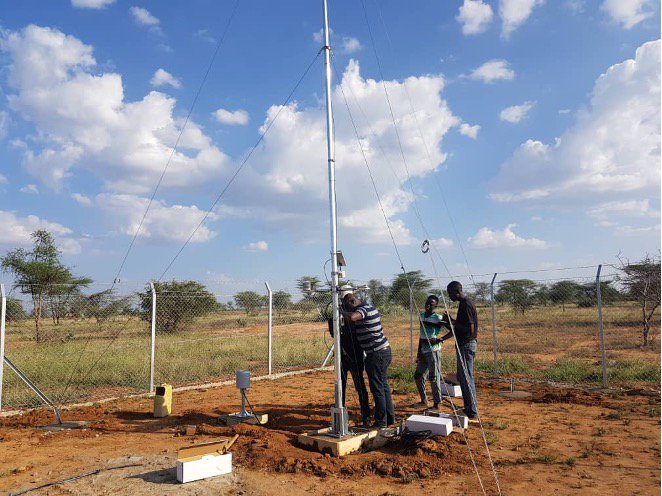
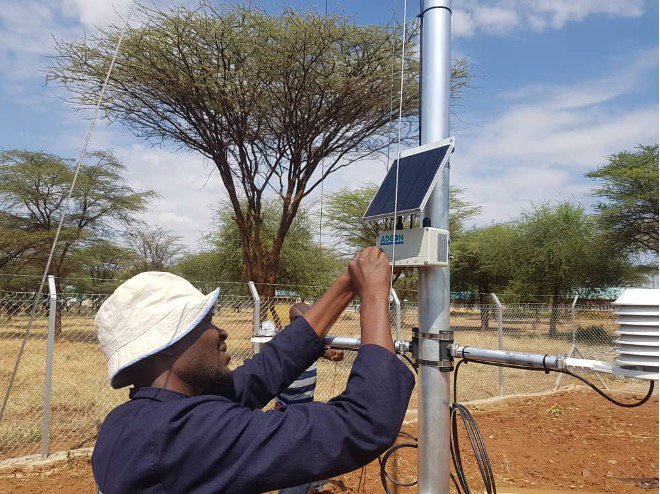
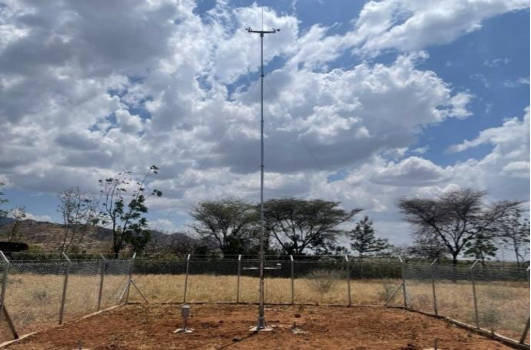
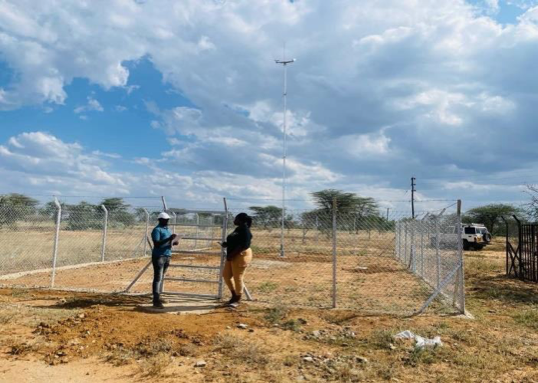
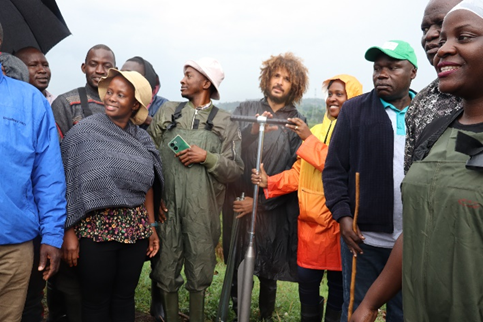
The project is funded by the Adaptation Fund through the Sahara and Sahel Observatory. The overall objective of the project is to increase the resilience of smallholder farmers and pastoralists to climate change risks mainly those related to drought, through the establishment of appropriate early warning systems and implementation of drought adaptation actions in the IGAD region. The project targets to consolidate synergies and adopt innovative and resilient drought management actions from selected IGAD region countries including Djibouti, Kenya, Sudan and Uganda. More specifically, this project is intended to strengthen the drought resilience of smallholder farmers and pastoralists by:Developing and promoting regional investments in early drought warning systems (EWS) and improving the existing ones.Strengthening and improving the capacity of key stakeholders in drought risk management at regional, national and local levels.Facilitating smallholder farmers and pastoralists inputs to undertake innovative adaptation actions that reinforce their resilience to drought.Enhancing knowledge management and information sharing on drought resilience at the considered levels.Project implementation arrangementsThe project is implemented in collaboration with mandated institutions, such as the Department of Meteorology (MWE), the Ministry of Agriculture, Animal Industry and Fisheries, and Nabuin Zonal Agriculture Research and Development Institute (ZARDI).DRESSEA Project Area:Moroto (All sub counties), Napak (Ngolereit, Matany, Lopeei, Lotome, and Lokopo), and Nabilatuk (Lorengedwat)Estimated Project Cost: USH 9,236,379,840Project Duration, 4 years, launched in 2021 at national level, now in extension period.Project Coordinator:Name: Dr. Callist Tindimugaya, Commissioner, Water Resources Planning and RegulationMobile Phone: 0772521413Email: Callist.tindimugaya@mwe.go.ugAchievements2 weather stations have been installed in Moroto (Rupa) and Napak (Matany).1 Early Warning Information Center has been renovated and equipped at the Department of Meteorology.Non-Smart Phones and solar radios have been distributed to 115 farmer groups to improve their access to early warning information.Drought Management Plan and Emergency Response Plan has been prepared for Lokere Catchment.115 farmer groups have been trained in drought adaptation measures and provided with seeds and seedlings of drought tolerant crop varieties.4 water harvesting structures have been constructed in Moroto (Lotisan and Tapac), Napak (Lopeei and Lokopo).Soil and water conservation measures have been implemented in Moroto, Napak, and Nabilatuk to improve crop productivity.3 water boreholes have been protected following the guidelines for the protection of groundwater sources.Impact:Early waring information sharing and feedback collection meetingsInnovative soil on farm soil and water conservation techniques in Vegetable growing in Katikekile Sub CountyPerma-gardens in Moroto (Nakonyen and Lotisan)Distribution of seeds in Lokopo Sub County
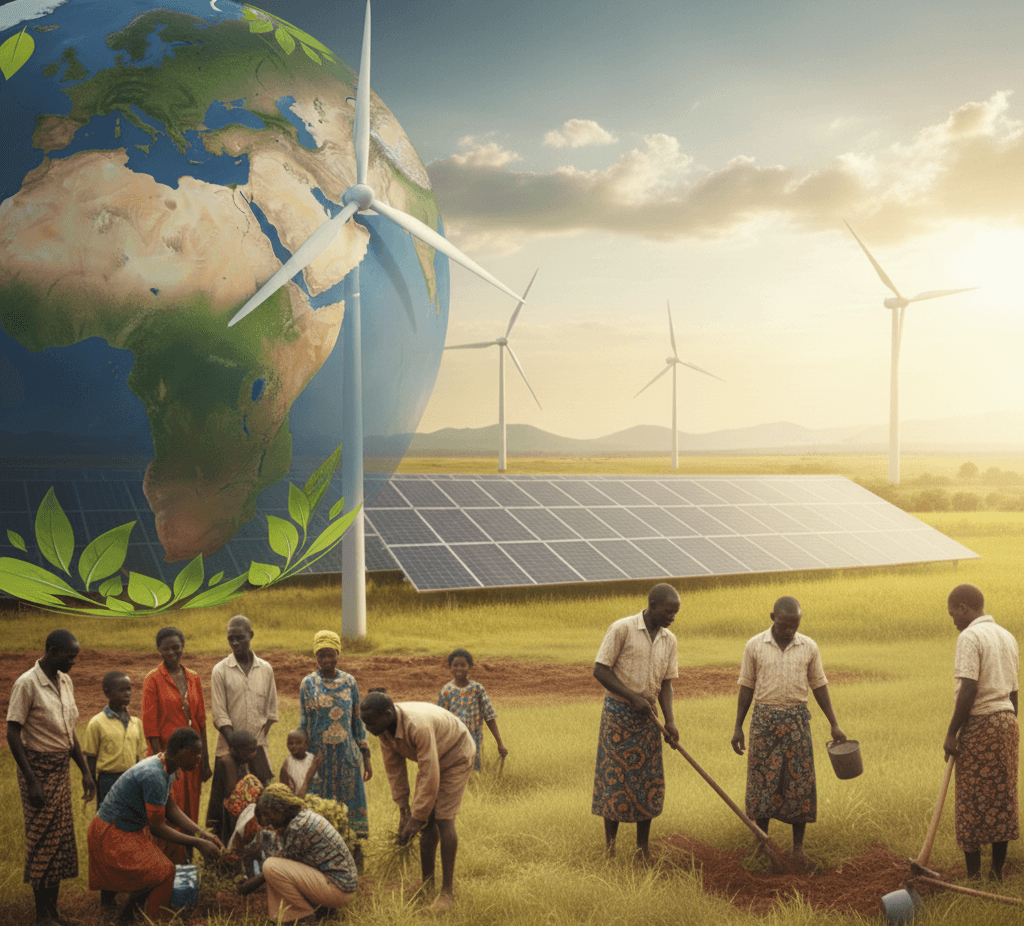
GCF-WetlandsThe Green Climate Fund (GCF) is a pivotal financial mechanism under the United Nations Framework Convention on Climate Change (UNFCCC), dedicated to supporting developing countries in their efforts to limit or reduce greenhouse gas emissions and adapt to the impacts of climate change. In Uganda, the Ministry of Water and Environment (MWE) is an accredited entity and plays a central role in accessing and managing GCF resources to implement transformative climate action. GCF projects in Uganda are designed to build resilience in communities and ecosystems, promote sustainable land and water management, and foster low-carbon development pathways. These initiatives are crucial for Uganda to achieve its Nationally Determined Contributions (NDCs) and sustainable development goals.Key Objectives of GCF Projects in Uganda:GCF projects in Uganda typically focus on a range of strategic objectives aimed at addressing critical climate vulnerabilities and promoting sustainable development:Building Climate Resilience in Vulnerable Communities: To enhance the adaptive capacity of communities, particularly those dependent on natural resources, to cope with climate change impacts such as droughts, floods, and unpredictable weather patterns.Expected Activities: Restoring degraded wetlands and associated catchments; promoting climate-resilient agricultural practices and alternative livelihoods; developing and strengthening early warning systems for climate-related disasters.Enhancing Ecosystem Health and Services: To restore and conserve vital ecosystems, such as wetlands and forests, which provide essential services for climate regulation, water security, and biodiversity.Expected Activities: Large-scale wetland restoration and rehabilitation; sustainable land management practices in catchment areas; promoting reforestation and afforestation initiatives.Promoting Climate-Resilient Water Security: To ensure sustainable access to water resources for communities, agriculture, and livestock, especially in drought-prone regions.Expected Activities: Development and rehabilitation of climate-resilient water infrastructure (e.g., solar-powered boreholes, earth dams); promotion of rainwater harvesting technologies; integrated water resource management.Fostering Low-Carbon Development: To support transitions towards a low-emission economy by promoting sustainable energy solutions and reducing greenhouse gas emissions.Expected Activities: Facilitating access to renewable energy technologies (e.g., solar energy for households and communities); supporting sustainable land use practices that reduce emissions.Strengthening Institutional Capacity and Climate Information Systems: To enhance the capacity of national and local institutions to effectively plan, implement, and monitor climate change interventions, and to improve the availability and use of climate information.Expected Activities: Providing technical training and resources to government agencies and local communities; strengthening climate data collection, analysis, and dissemination; integrating climate considerations into national and sub-national development planning.Project Scope Description:GCF projects in Uganda typically involve significant financial grants and technical assistance to support the implementation of large-scale, multi-sectoral interventions. The scope often encompasses:Grant Financing: Direct financial support for project activities, leveraging co-financing from the Government of Uganda and other development partners.Technical Assistance and Capacity Building: Provision of expertise, training, and knowledge transfer to strengthen the technical and institutional capacities of implementing partners and beneficiaries.Community Engagement and Livelihood Support: Direct engagement with vulnerable communities to identify their needs, build their adaptive capacity, and provide alternative sustainable livelihoods.Monitoring, Evaluation, and Learning: Robust systems for tracking project progress, measuring impacts, and generating lessons learned to inform future climate action.Policy and Regulatory Support: Contributions to the development and implementation of supportive policies and regulatory frameworks that enable effective climate change adaptation and mitigation.GCF projects, such as the “Building Resilient Communities, Wetland Ecosystems and Associated Catchments in Uganda” project, exemplify Uganda’s commitment to tackling climate change through integrated and community-centric approaches, ultimately aiming for a more resilient and sustainable future.
The P4P project is a 3year project (2025 to 2027) Commissioned by the German Federal Ministry for Economic Cooperation and Development (BMZ) and being implemented in Uganda and Rwanda. The projects political Partners are Ministry of Water and Environment-Uganda (MoWE) and Ministry of Environment- Rwanda (MoE) while the Implementing Partners include Deutsche Gesellschaft für International Zusammenarbeit GmbH (GIZ) Michel Succow Foundation (MSF), partner in the Greifswald Mire Centre (GMC), Food and Agriculture Organization of the United Nations (FAO) Budget 9.5 Mio.The Project intervention approach includes; Improving technical capacity to enable science-based policy decisions for the sustainable management of peat lands.Demonstrating sustainable value creation with pluviculture products from restored peatland landscapes.Developing the foundations for a financing mechanism for the long-term sustainable management of peatlands.Strengthening regional and international collaboration and exchange on sustainable peatland management.
CDM PROJECTThe Clean Development Mechanism (CDM), defined in Article 12 of the Protocol, allows a country with an emission-reduction or emission-limitation commitment under the Kyoto Protocol (Annex B Party) to implement an emission-reduction project in developing countries. Such projects can earn saleable certified emission reduction (CER) credits, each equivalent to one tonne of CO2, which can be counted towards meeting Kyoto targets.The mechanism is seen by many as a trailblazer. It is the first global, environmental investment and credit scheme of its kind, providing a standardized emissions offset instrument, CERs.A CDM project activity might involve, for example, a rural electrification project using solar panels or the installation of more energy-efficient boilers.The mechanism stimulates sustainable development and emission reductions, while giving industrialized countries some flexibility in how they meet their emission reduction or limitation targets.MORE ABOUT THE PROJECT
The Ministry of Water and Environment is committed to avoiding, minimizing, and mitigating adverse environmental and social impacts associated with its projects, as well as adopting a gender-sensitive and gender-equitable approach for all its projects.
.png)
.jpg)