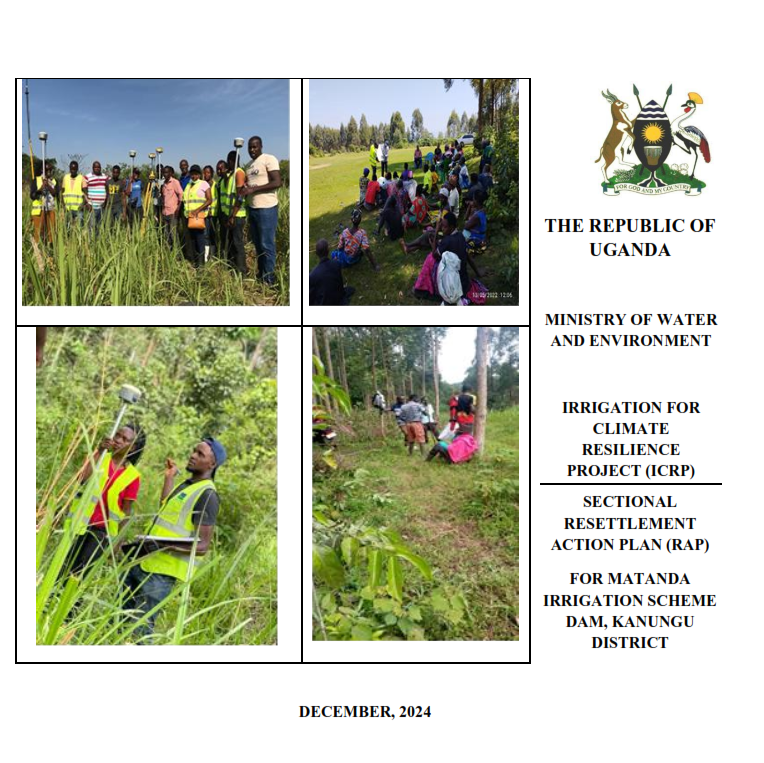
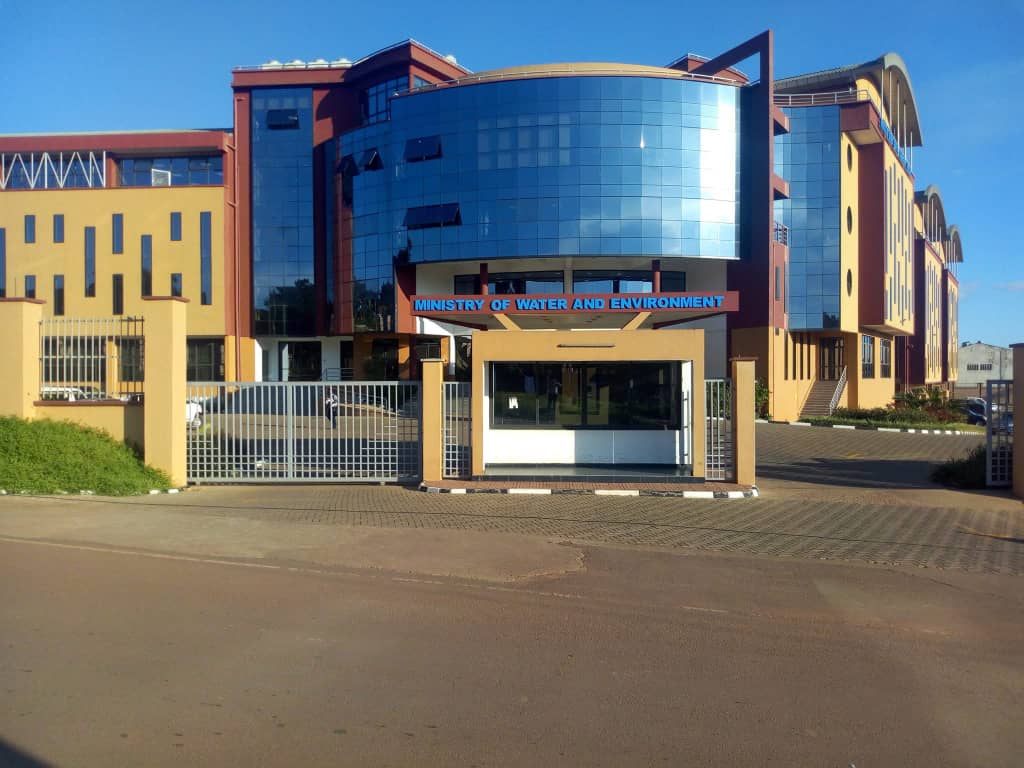
MATANDA DAM SECTIONAL RAP
VULNERABLE AND MARGINALIZED GROUPS FRAMEWORK FOR MATANDA IRRIGATION SCHEME Feb 2025
Farm Income Enhancement and Forest Conservation Programme – Project 2 (FIEFOC –2) is designed within the context of the Government of Uganda’s National Development Plan II (NDP II), and the long term development strategy, the Vision 2040 both of which promote agricultural infrastructure and income enhancement.
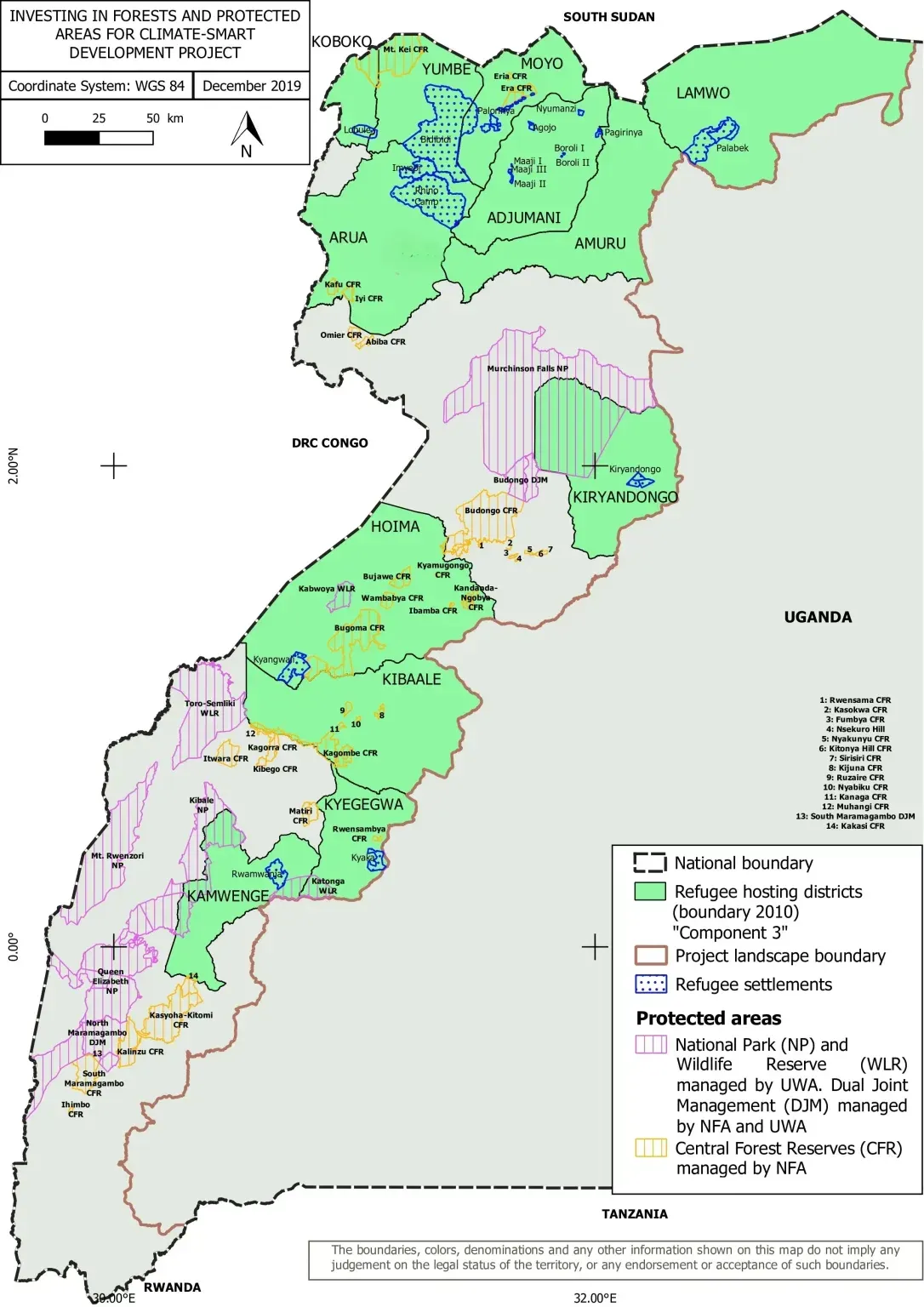
The Government of Uganda (GoU) is implementing the “Investing in Forests and Protected Areas for Climate-Smart Development (IFPA-CD) Project”. The project is financed by the International Development Association (IDA) of the World Bank and GoU. The implementation of the project is led by the Ministry of Water and Environment (MWE), Uganda Wildlife Authority (UWA), and the National Forestry Authority (NFA).
An Environmental and Social Management Framework (ESMF) outlines mechanisms for the screening of proposed project activities and identified potential environmental and social impacts and their subsequent management.
WSDF-C was established in 2010 and has since constructed more than 60 piped water supply and sanitation systems. The region encompasses over 119 gazetted Town Councils and numerous Town Boards. Initially, WSDF-C operated with financial support from both the Government of Uganda (GoU) and development partners. This collaborative funding model continued until 2020, after which the facility has relied solely on financing from GoU.
Forest Partnership and Partnership for Forest Development Project (P4F)
The Stakeholder Engagement Plan (SEP) was prepared at the start of project implementation to guide stakeholder engagement and disclosed in 2021. The SEP defines programs for stakeholder engagement, describes commitments and process for stakeholder engagement and outlines ways in which IFPA-CD project implementation team communicates with stakeholders. It includes mechanisms by which people can raise concerns or make complaints and receive feedback on issues of IFPA-CD project implementation.
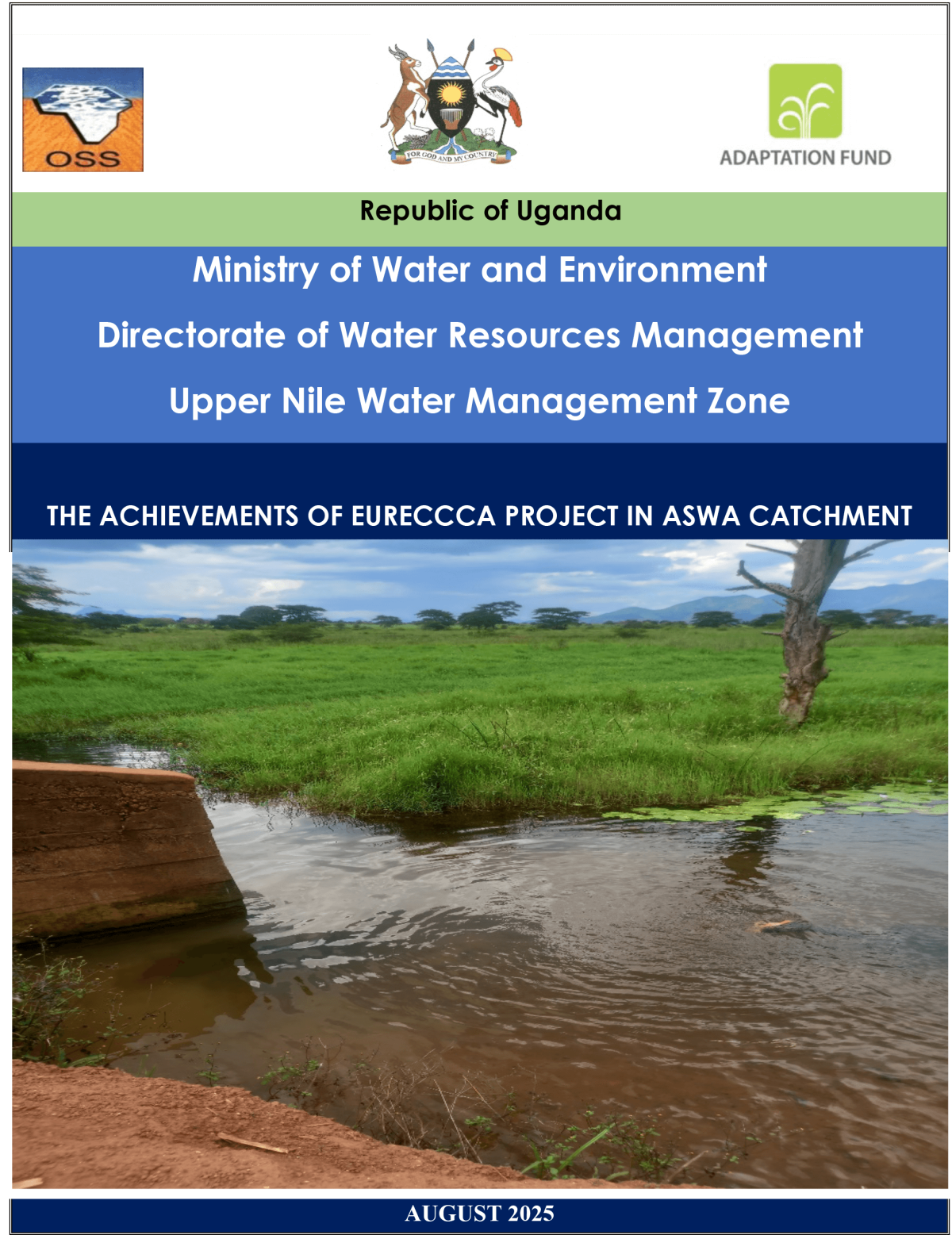
Enhancing Resilience of Communities to Climate Change through Catchment Based Integrated Management of Water and Related Resources in Uganda’’ (EURECCCA) Project. Funded by Adaptation Fund implemented by Sahara and Sahel Observatory and executed by Ministry of Water and Environment through Directorate of Water Resources Management. Launched in 2017 and officially closed in June 2023. Revolving fund component still on-going.
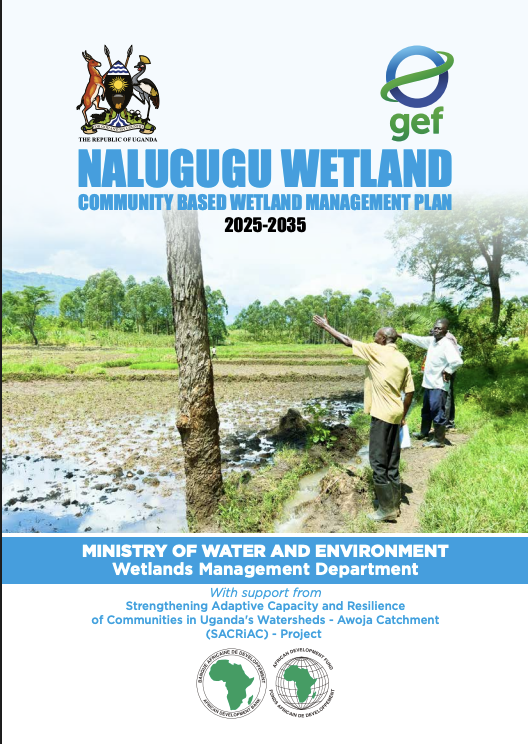
The Nalugugu community based management plan (CBWMP) is developed under the “Strengthening the Adaptive Capacity and Resilience of Communities in Uganda’s Watersheds in Awoja Catchment – SACRiAC project” with funding from the Global Environment Facility (GEF) and the African Development Bank. It is presumed that the ten-year plan will ensure the sustainable use and conservation of Nalugugu wetland so that it can provide benefits to the community.
The Government of Uganda (GOU) represented by the Ministry of Water and Environment has received financing from the World Bank towards the cost of the implementation of the Irrigation for Climate Resilience Project (ICRP). The project development objective (PDO) is to provide farmers in the project areas with access to irrigation and other agricultural services, and to establish Operation and Maintenance arrangements for irrigation service delivery.
The Project Implementation Manual (PIM) provides the operational framework guiding the execution of the Integrated Forests and Protected Areas for Climate-Driven Development (IFPA-CD) Project in Uganda. It outlines institutional arrangements, implementation procedures, financial management, procurement, monitoring and evaluation, and safeguards compliance. The PIM translates the Project Appraisal Document and Financing Agreement into practical steps for executing entities, ensuring consistency, accountability, and efficiency in achieving project objectives related to forest conservation, climate resilience, and sustainable livelihoods.
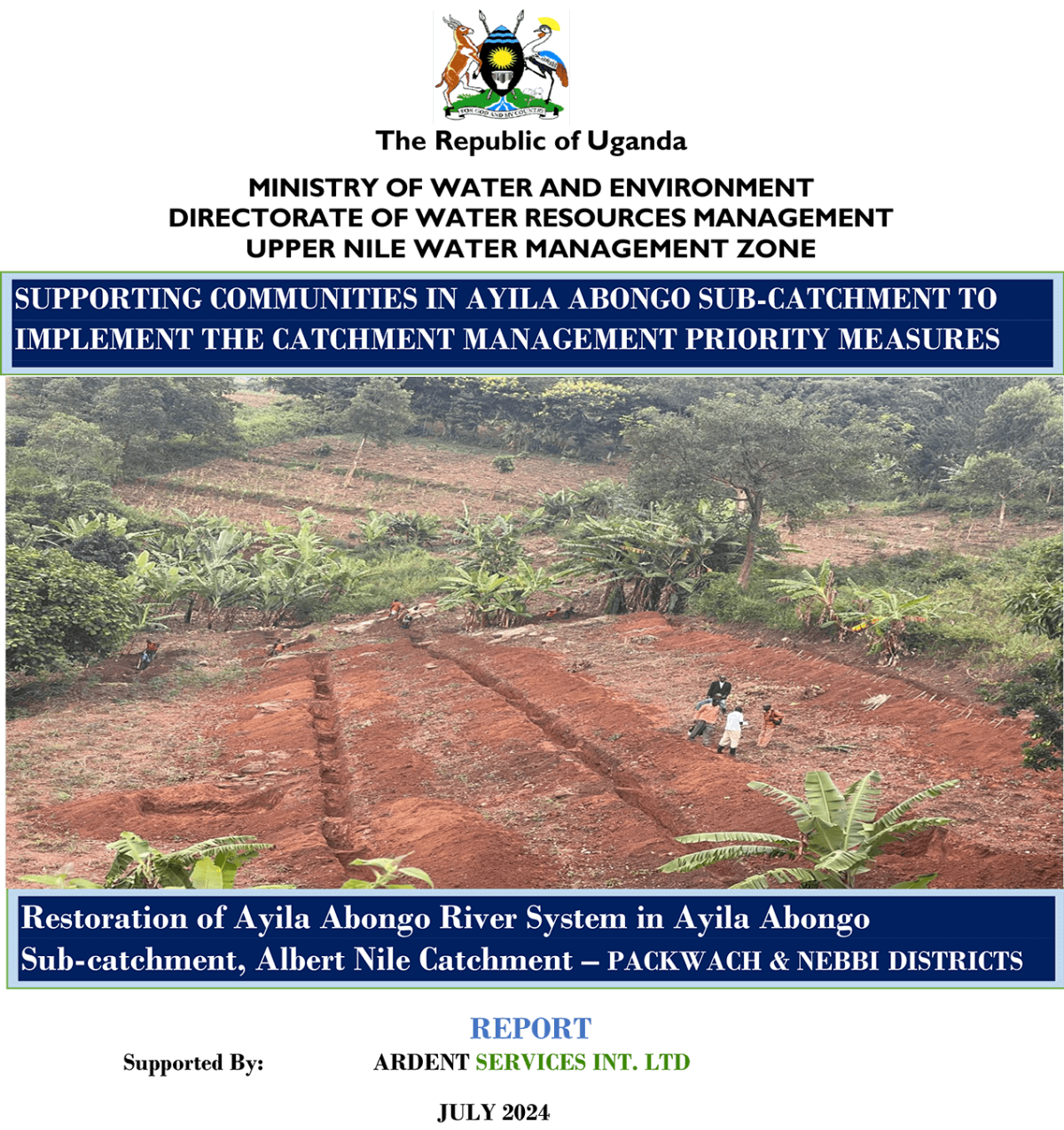
The Ministry of Water and Environment (MWE) through Directorate of Water Resources Management (DWRM) with funding from Government of Uganda is implementing the Water Management Zone (WMZ) Phase II Project which supports communities to implement the Catchment Management Priority Measures in Upper Nile Water Management Zone (UNWMZ), Kyoga Water Management Zone (KWMZ), Albert Water Management Zone (AWMZ) and Victoria Water Management Zone (VWMZ)
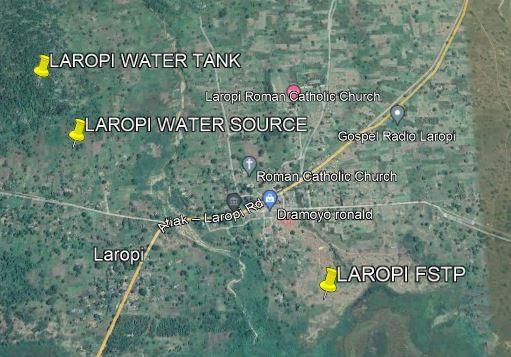
RAP for Laropi, Gwere, Edrayo, Ewanga, Pajakiri, Awoba, Goboro, Lobe, Lomunga, Nyori, Rodo.
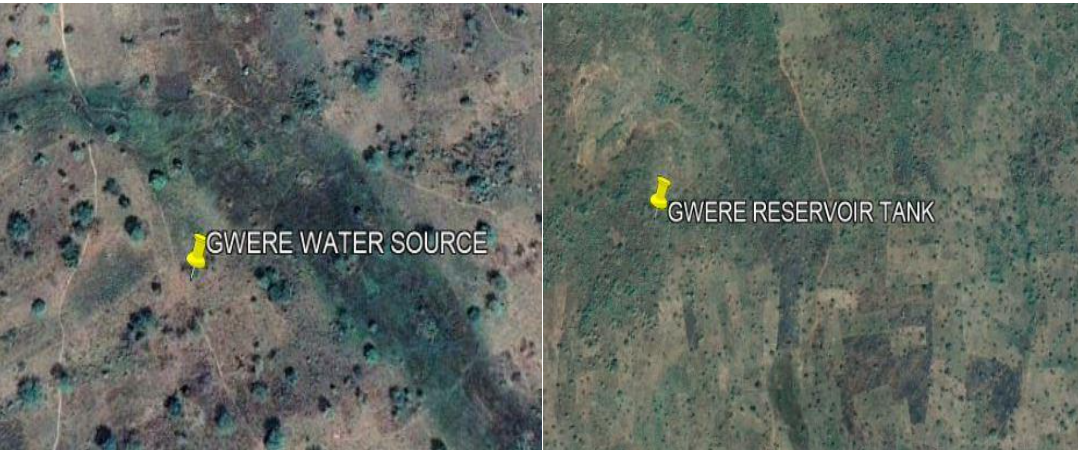
Resettlement Action Plan for Gwere
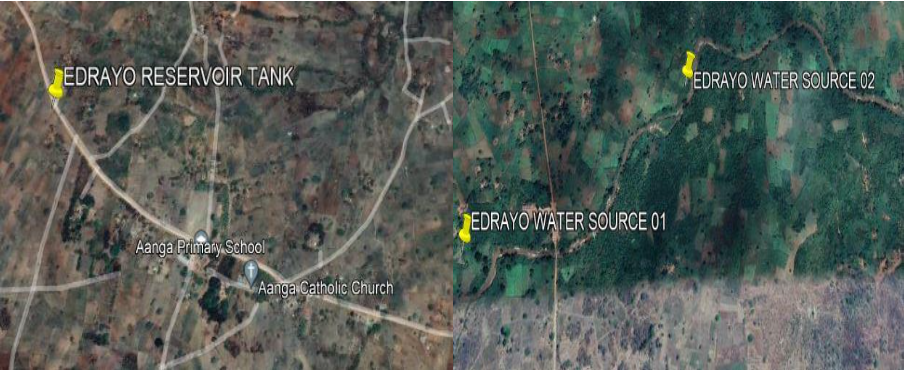
Resettlement Action Plan for Edrayo
Resettlement Action Plan for Ewanga
Resettlement Action Plan for Pajakiri
Resettlement Action Plan for Awoba